Best Time to Go Gorilla Trekking in Uganda and Rwanda
Understanding Gorilla Trekking Seasons
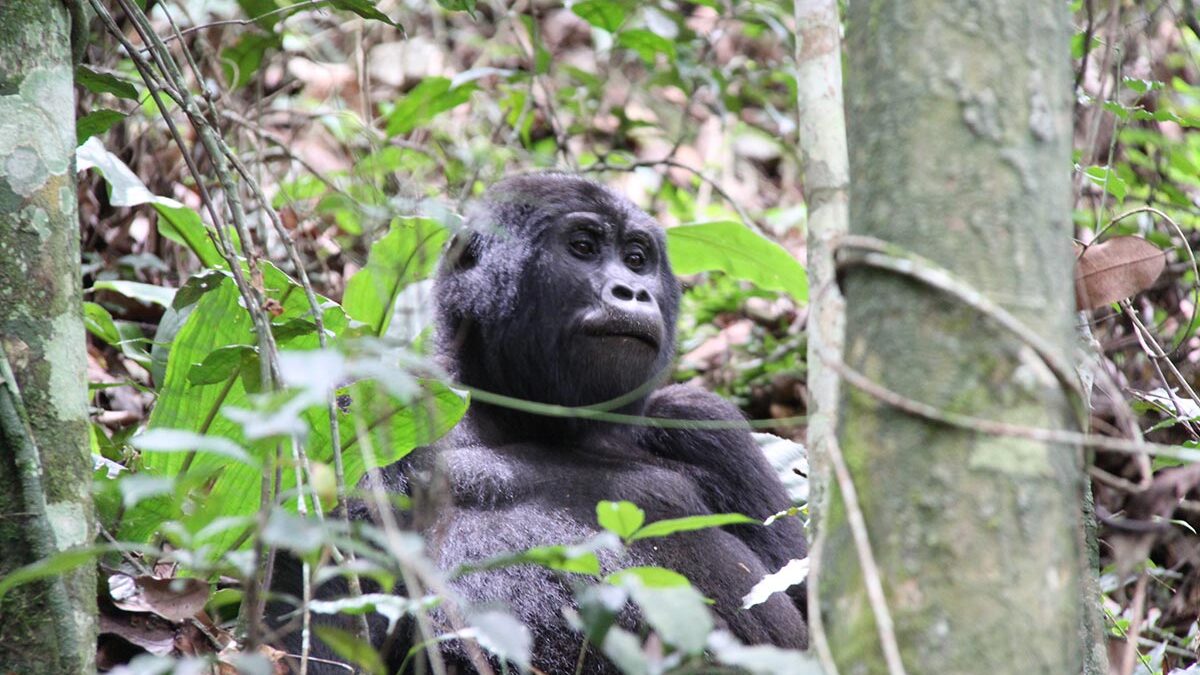
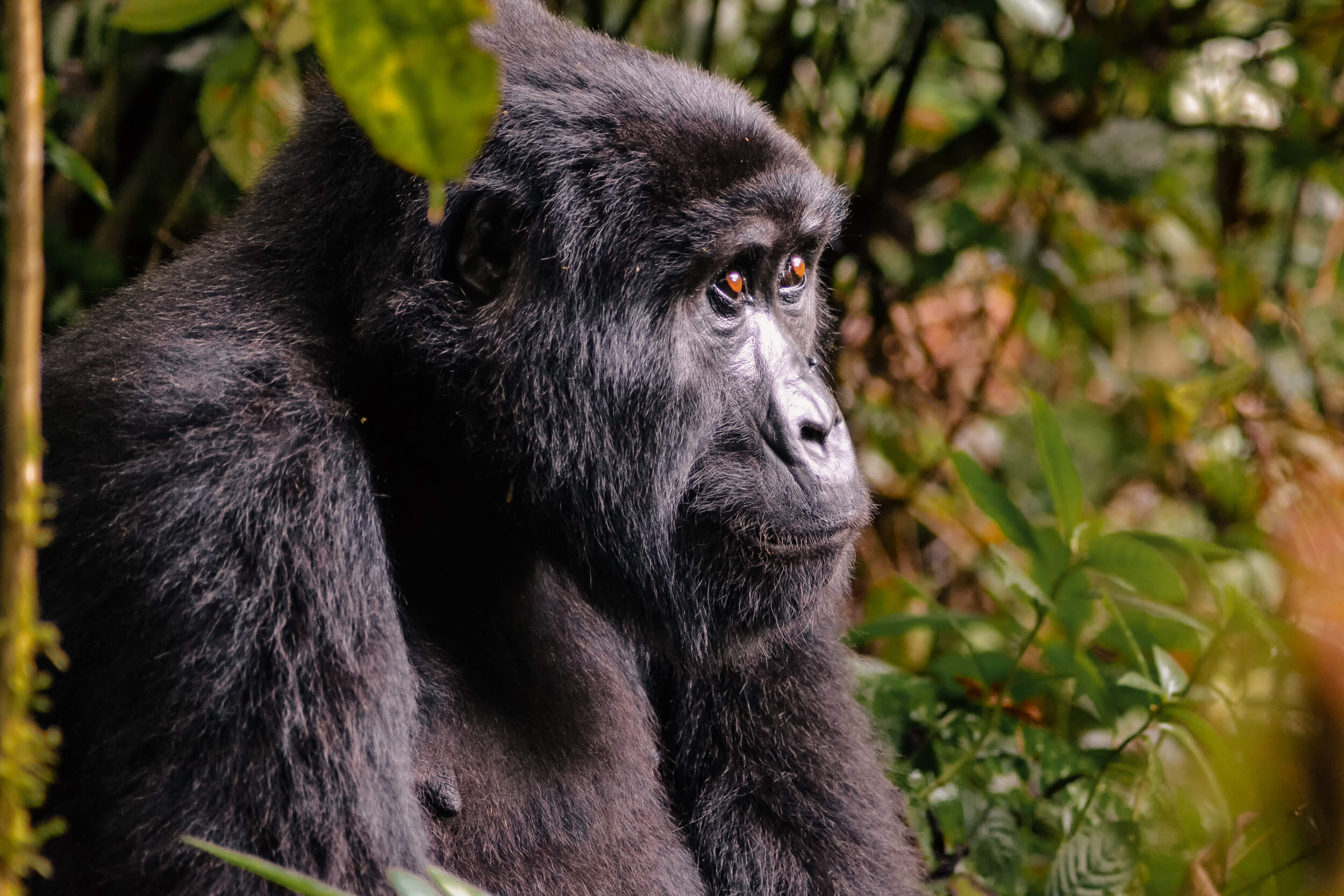
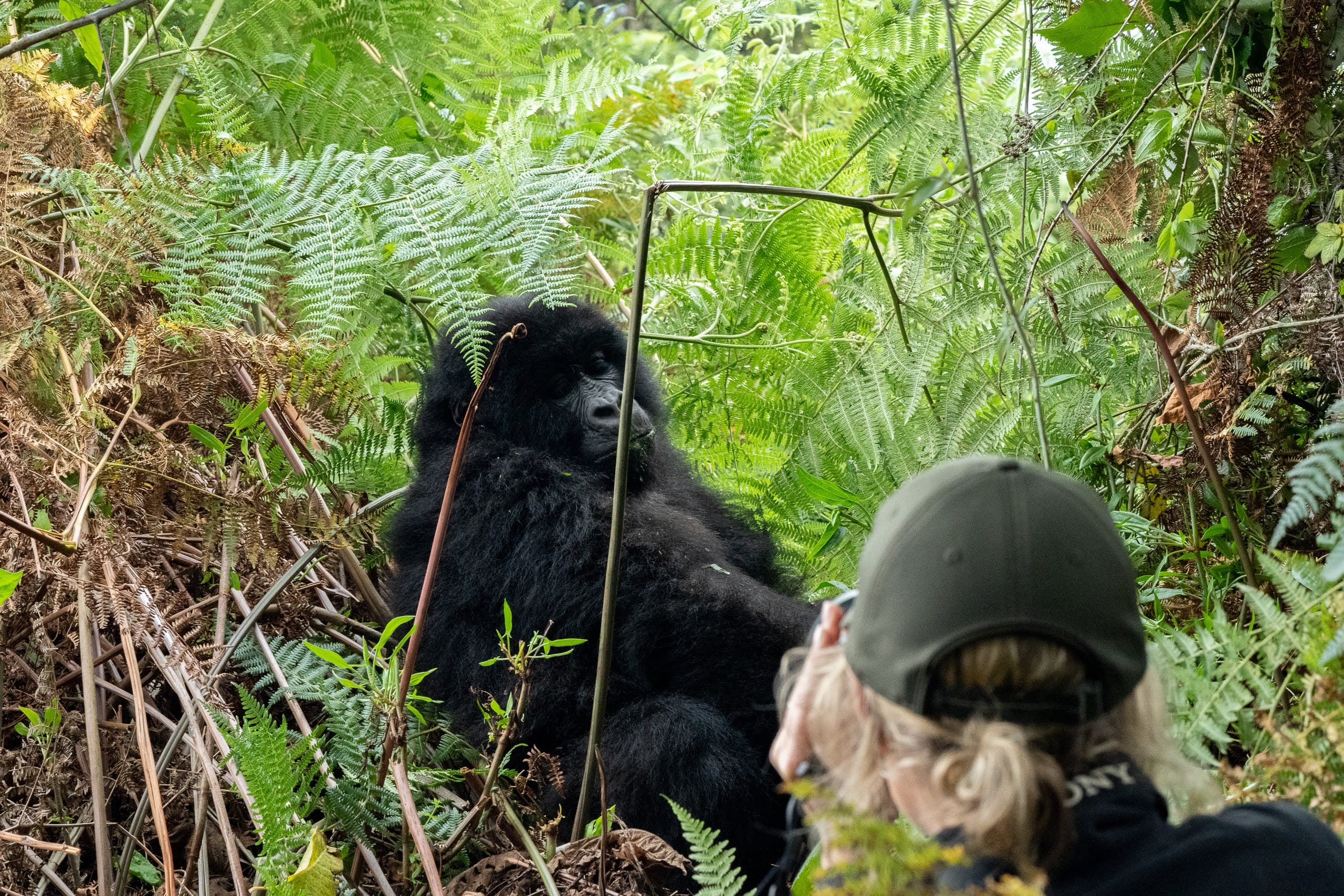
Determining the best time gorilla trekking depends on a combination of weather patterns, trekking conditions, and personal travel preferences rather than a single “perfect” month. Gorilla trekking takes place year-round in Uganda and Rwanda, specifically in forests like Bwindi Impenetrable National Park and Volcanoes National Park. Because mountain gorillas do not migrate, sightings are consistent throughout the year, which means your experience is less about whether you will see gorillas and more about how comfortable and accessible the trek will be.
The region experiences two main dry seasons and two wet seasons, each offering distinct advantages. Understanding how these seasons affect trekking conditions, permit availability, and overall experience is key to choosing the right time for your safari.
Dry Season: The Most Popular Time for Gorilla Trekking
The dry seasons, typically from June to September and December to February, are widely considered the best time gorilla trekking for most travelers. During these months, rainfall is reduced, making forest trails less muddy and easier to navigate. This is particularly important in dense जंगल environments like Bwindi Impenetrable National Park, where steep slopes and thick vegetation can become challenging in wet conditions.
Clearer skies and lower humidity also enhance overall comfort during the trek. Visibility in the forest improves slightly, and photography conditions are generally better due to more stable light. These factors make the dry season ideal for travelers who prefer easier hiking conditions and a more predictable experience.
However, this popularity comes with higher demand. Gorilla trekking permits are limited, and during peak dry months, they can sell out quickly. Early booking is essential if you plan to travel during this period.
Wet Season: A More Immersive and Quieter Experience
The wet seasons, occurring roughly from March to May and October to November, offer a different perspective on gorilla trekking. Rainfall transforms the forest into a lush, vibrant environment, enhancing the sense of immersion and natural beauty. While trails become more slippery and physically demanding, the experience feels more raw and less crowded.
One of the key advantages of the wet season is reduced visitor numbers. Fewer trekkers mean a more intimate experience, both during the trek and at the gorilla encounter itself. Permits are often more readily available, and in some cases, accommodation rates may be lower, making this a strategic option for those seeking value.
Gorillas also tend to stay in more accessible areas during heavy rains due to abundant food sources nearby. This can sometimes result in shorter trekking times, balancing out the more challenging trail conditions.
Uganda vs Rwanda: Does Timing Differ?
While both Uganda and Rwanda share similar climatic patterns, slight differences in terrain and accessibility can influence how timing affects your experience.
In Bwindi Impenetrable National Park, the terrain is generally steeper and more densely forested, making dry seasons more favorable for those concerned about physical difficulty. The trails can become quite challenging during heavy rains, which may impact overall comfort.
In Volcanoes National Park, the terrain is more open and slightly less dense, which can make trekking manageable even during wetter months. Additionally, Rwanda’s shorter travel distances from Kigali to the park make it easier to plan around weather fluctuations.
Overall, while the best time gorilla trekking applies broadly to both countries, Uganda benefits more from dry-season travel due to its terrain, whereas Rwanda offers slightly more flexibility year-round.
Best Months for Gorilla Trekking
The months of June, July, August, and September are often considered the peak window for gorilla trekking. These months combine favorable weather, manageable trail conditions, and high visibility. December through February also offers strong conditions, particularly for those looking to avoid the mid-year peak crowds.
For travelers who prefer fewer visitors and a quieter atmosphere, March, April, May, and November provide a more secluded experience. While these months come with increased rainfall, they also offer a deeper sense of connection to the forest and often more flexible booking options.
The choice ultimately depends on whether you prioritize comfort and convenience or solitude and atmosphere.
Permit Availability and Planning
Timing your trip also affects how easily you can secure a gorilla trekking permit. Permits in both Uganda and Rwanda are limited to protect the gorillas and ensure sustainable tourism. During peak dry seasons, permits can sell out months in advance, making early planning essential.
In contrast, the wet season often provides more flexibility, with greater availability and less competition for preferred dates. This can be particularly useful for travelers with fixed schedules or those planning trips on shorter notice.
Aligning your travel dates with permit availability is a critical step in ensuring a smooth and successful gorilla trekking experience.
Weather, Photography, and Experience Quality
Weather plays a significant role in shaping the overall experience. Dry conditions make trekking easier and more comfortable, but they can also attract more visitors. Wet conditions, while more challenging, create dramatic landscapes and softer lighting, which can enhance photography.
Mist and fog are common in these forest environments, especially in the mornings. While they can obscure views temporarily, they also add a sense of atmosphere and depth to the experience. Many photographers find that these conditions create more compelling and unique images.
The quality of the experience is not diminished by the season—it is simply transformed. Each time of year offers a different perspective on the same extraordinary encounter.
Final Perspective on the Best Time Gorilla Trekking
The best time gorilla trekking ultimately depends on what you value most in your safari experience. If you prioritize ease of trekking, stable weather, and predictable conditions, the dry seasons provide the most reliable option. If you are drawn to fewer crowds, lush scenery, and a more immersive environment, the wet seasons offer a compelling alternative.
Both Uganda and Rwanda deliver exceptional gorilla trekking experiences year-round, with each season adding its own dimension to the journey. The key is to align your travel timing with your expectations, ensuring that the experience matches your preferred balance of comfort, adventure, and atmosphere.