Uganda vs Rwanda for Gorilla Trekking: Which Should You Choose?
Understanding Gorilla Trekking in East Africa
Gorilla trekking is one of the most powerful wildlife experiences in Africa, offering close encounters with endangered mountain gorillas in their natural forest habitats. The two primary destinations for this experience are Uganda and Rwanda, both of which protect significant populations of mountain gorillas within well-managed conservation areas. While the core experience—tracking gorillas on foot and spending time observing them—remains similar in both countries, the overall safari differs in cost, terrain, accessibility, and style.
Understanding these differences is essential when deciding which destination best suits your expectations. The choice is not about which country is objectively better, but about which aligns more closely with your budget, travel style, and level of adventure.
Gorilla Trekking in Uganda: Depth, Diversity, and Value
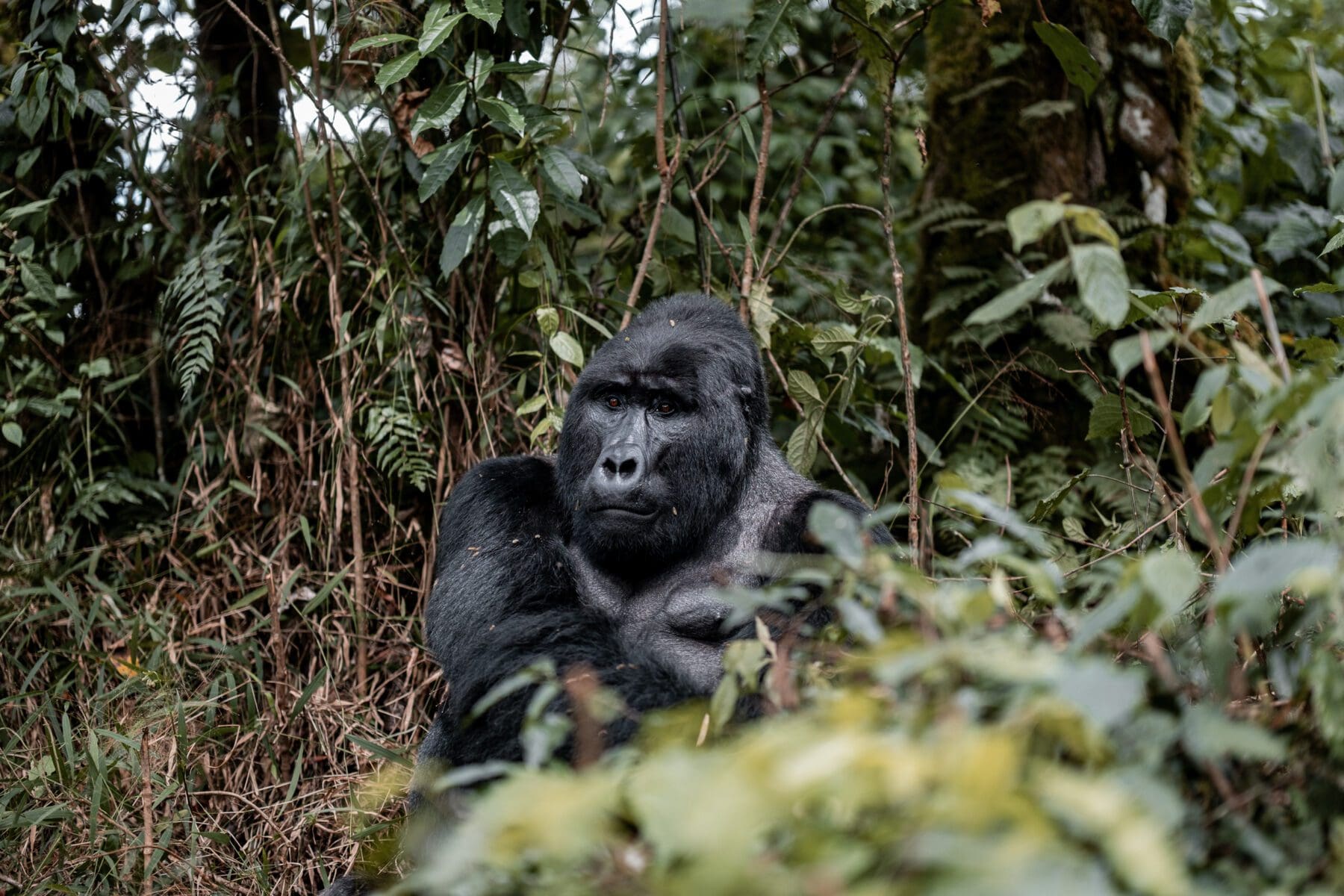
In Uganda, gorilla trekking takes place primarily in Bwindi Impenetrable National Park and, to a lesser extent, in Mgahinga Gorilla National Park. Bwindi is particularly significant because it hosts nearly half of the world’s remaining mountain gorilla population. The forest itself is dense, ancient, and biologically rich, creating a trekking experience that feels immersive and wild.
The terrain in Bwindi is more challenging compared to Rwanda, with steep slopes, thick vegetation, and longer trekking times depending on the gorilla family you are assigned. This adds a sense of adventure and authenticity to the experience, as the journey to find the gorillas becomes part of the story. The forest environment also supports a wide range of other wildlife and bird species, making it appealing for those interested in broader biodiversity.
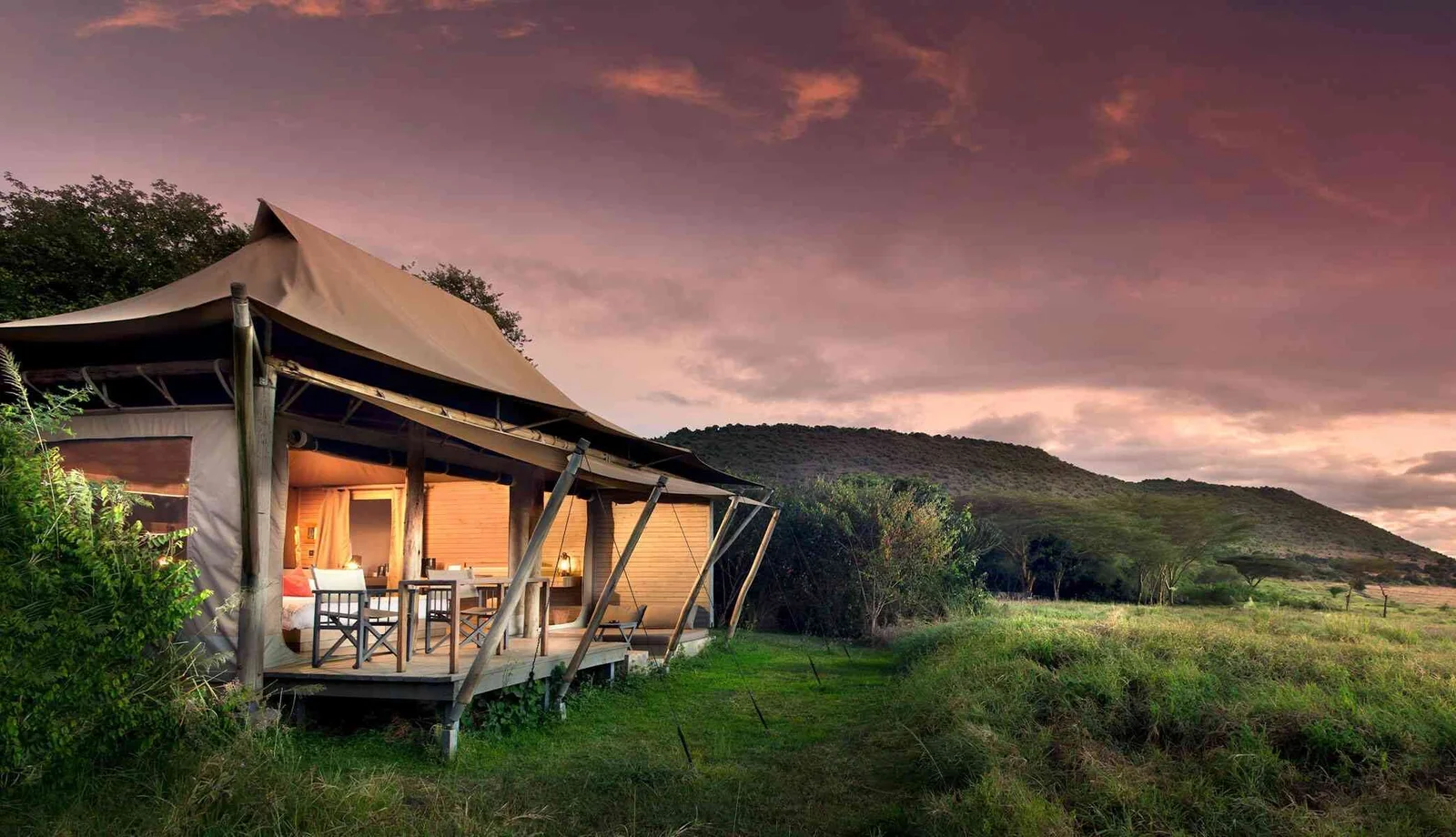
One of the strongest advantages of Uganda is cost. Gorilla trekking permits are generally more affordable than in Rwanda, making it a preferred option for travelers seeking a high-value experience. In addition, Uganda offers a wider range of accommodation options, from budget camps to mid-range lodges, allowing for more flexibility in planning.
Uganda is also well suited for longer, multi-destination safaris. It combines gorilla trekking with savannah wildlife experiences, primate tracking, and diverse landscapes, making it ideal for travelers who want a more extended and varied itinerary.
Gorilla Trekking in Rwanda: Accessibility and Comfort
In Rwanda, gorilla trekking is centered in Volcanoes National Park, part of the larger Virunga mountain range. This park offers a different style of trekking experience, characterized by more open terrain and relatively shorter trekking distances compared to Bwindi.
One of Rwanda’s biggest advantages is accessibility. The park is located just a few hours’ drive from the capital, Kigali, making it possible to reach the trekking starting point quickly. This convenience is particularly appealing for travelers with limited time, as it reduces the need for long transfers or additional domestic travel.
The trekking experience itself is generally considered less physically demanding, although it still requires a reasonable level of fitness. Trails are often clearer, and the vegetation, while still dense, is not as impenetrable as Bwindi. This makes Rwanda a strong option for those who prefer a more comfortable and accessible adventure.
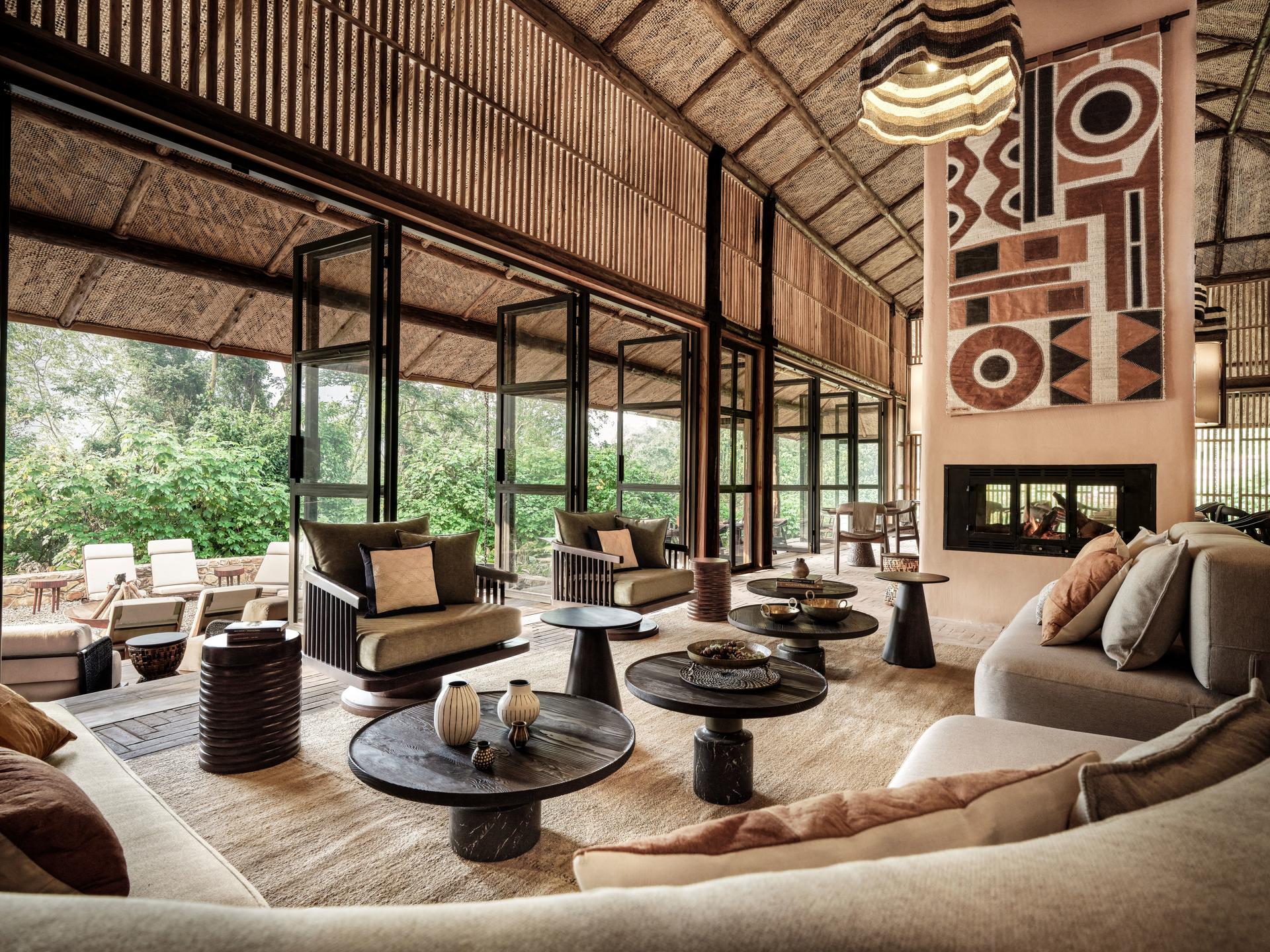
Rwanda is often associated with a more premium safari experience. Accommodation tends to focus on higher-end lodges, and the overall infrastructure is designed to provide a smooth and efficient journey. However, this comes at a higher cost, particularly when it comes to trekking permits.
Cost Comparison: A Key Deciding Factor
Cost is one of the most significant differences when comparing Uganda and Rwanda for gorilla trekking. Uganda generally offers more affordable permits and a wider range of accommodation options, making it more accessible for budget-conscious travelers.
Rwanda, on the other hand, positions itself as a premium destination. Trekking permits are significantly higher in price, reflecting the country’s focus on high-end tourism and conservation funding. While the experience is exceptional, it requires a larger overall investment.
The decision often comes down to whether you prioritize value or convenience. Uganda provides a more cost-effective route to the same core experience, while Rwanda offers ease of access and a more streamlined travel process.
Trekking Experience: Adventure vs Ease
The trekking experience itself differs in character between the two destinations. In Bwindi Impenetrable National Park, the trek can be longer and more physically demanding, with dense forest and uneven terrain creating a sense of exploration and challenge. This appeals to travelers who want a deeper, more adventurous connection to the environment.
In Volcanoes National Park, the trek is generally shorter and more structured, offering a balance between adventure and comfort. The terrain is still mountainous, but the overall experience is more predictable and accessible.
Both destinations offer the same one-hour encounter with gorillas once they are located, ensuring that the core wildlife experience remains consistent. The difference lies in the journey to reach them.
Wildlife and Safari Combinations
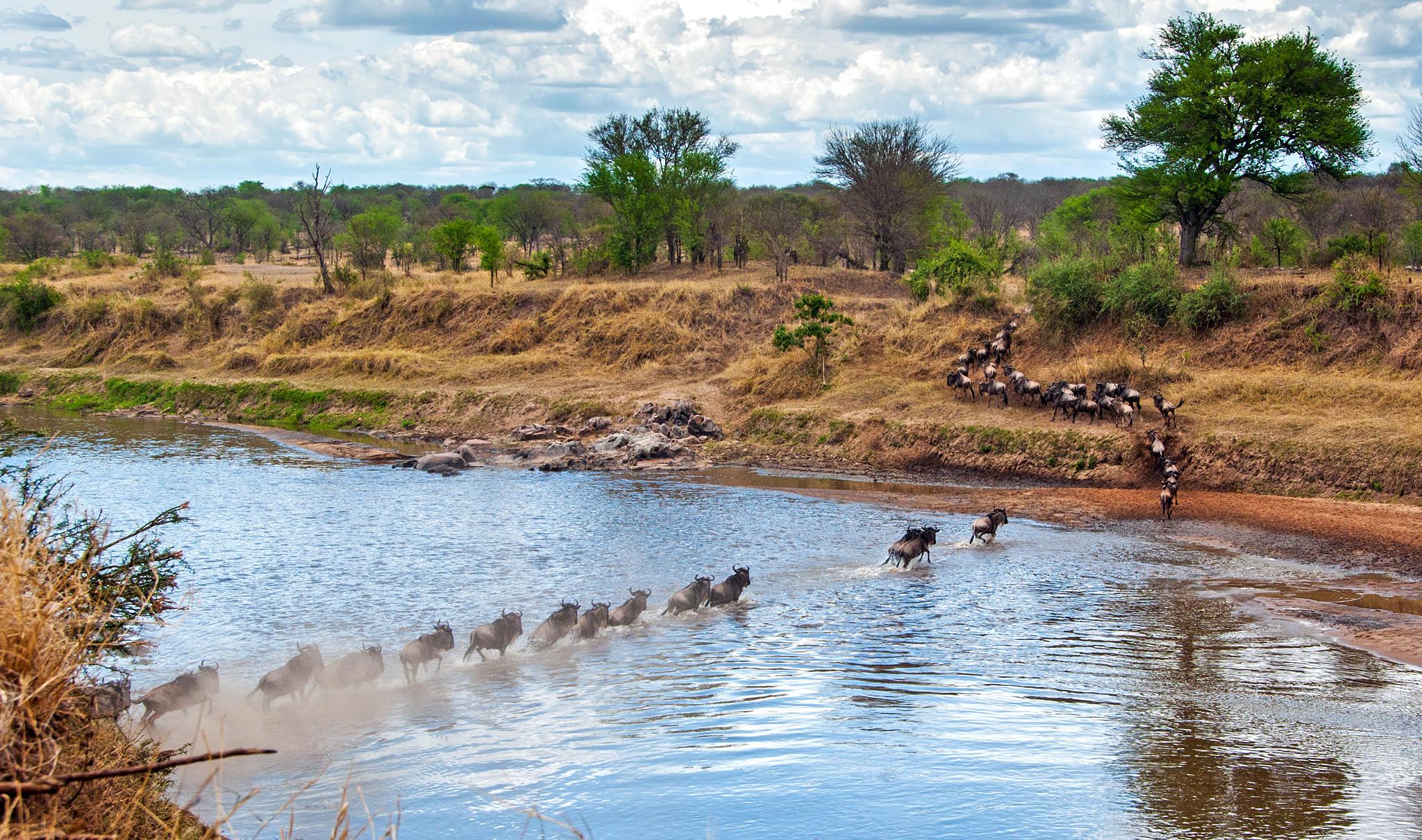
Uganda stands out for its diversity beyond gorilla trekking. It offers opportunities to explore savannah parks, track chimpanzees, and experience varied ecosystems within a single trip. This makes it ideal for travelers looking to combine gorilla trekking with a broader safari experience.
Rwanda, while more focused on gorilla trekking, also offers additional activities such as golden monkey tracking and cultural experiences. However, its overall wildlife diversity is more limited compared to Uganda’s range of habitats.
The choice here depends on whether you want a specialized gorilla-focused trip or a more comprehensive wildlife safari.
Which Should You Choose?
Choosing between Uganda and Rwanda ultimately depends on your priorities. If you are looking for a more affordable, adventurous, and diverse safari experience, Uganda is the stronger option. It offers depth, variety, and value, making it ideal for longer trips and travelers who enjoy immersive exploration.
If your priority is convenience, shorter travel time, and a more premium, comfortable experience, Rwanda is the better choice. Its accessibility and streamlined logistics make it particularly appealing for those with limited time or those seeking a more refined safari style.
Both destinations deliver one of the most unforgettable wildlife encounters on Earth. The decision is not about which is better, but about which experience fits your expectations, budget, and travel style.