Bwindi Impenetrable Forest: The Complete Gorilla Trekking Guide
Introduction to Bwindi and the Gorilla Trekking Experience
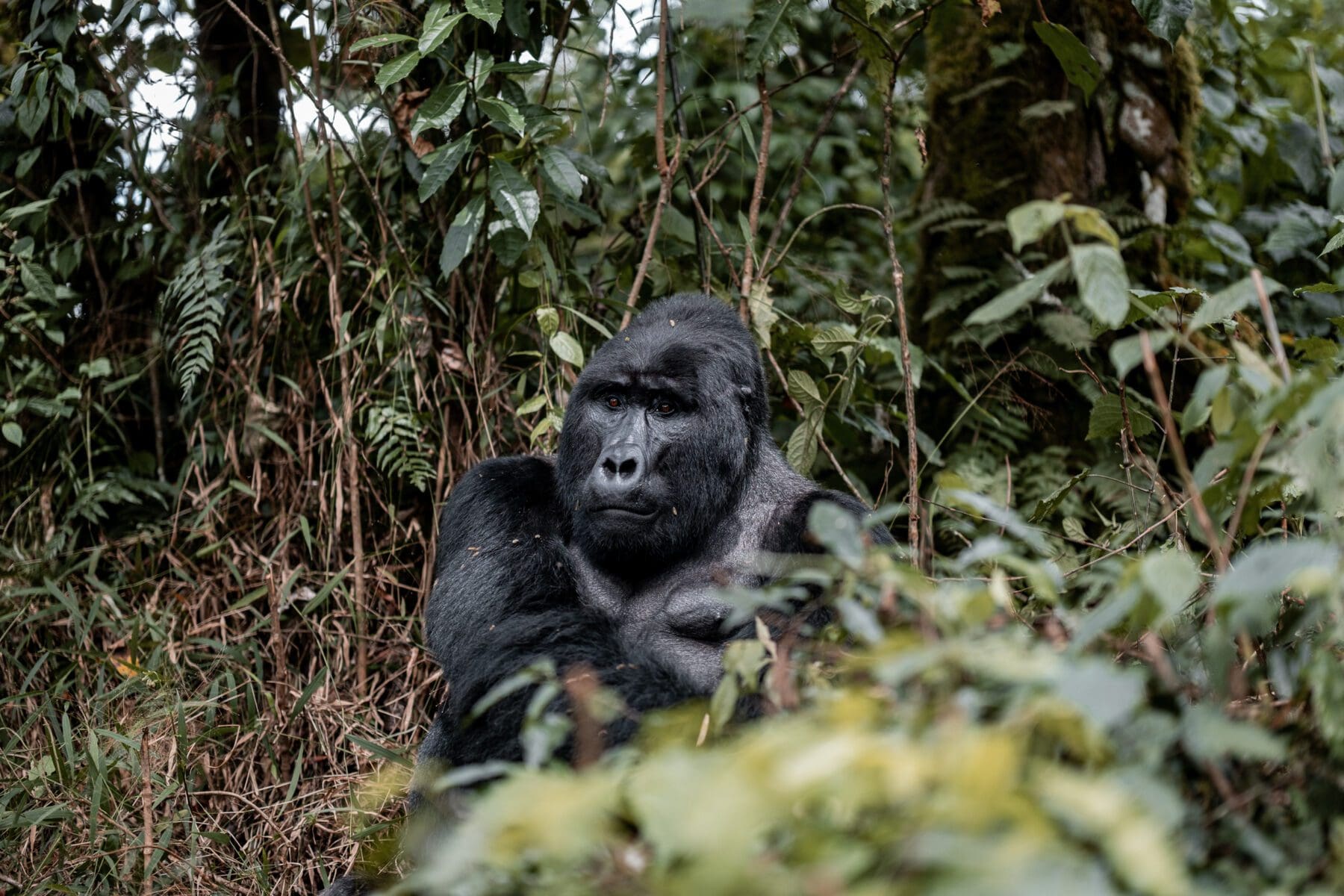
Bwindi Impenetrable National Park is one of the most biologically rich and ecologically significant forests in Africa, known globally as a sanctuary for nearly half of the world’s remaining mountain gorillas. Located in Uganda, this ancient rainforest is characterized by dense vegetation, steep terrain, and a remarkable diversity of flora and fauna. Gorilla trekking in Bwindi is not simply a wildlife activity but a deeply immersive journey into a complex ecosystem where every step reveals layers of life.
The experience is defined by both the trek and the encounter. Unlike traditional game drives, gorilla trekking involves hiking through thick forest under the guidance of expert trackers and rangers. The unpredictability of the gorillas’ movement means that each trek is unique, with routes changing daily based on where the families nested the night before. This element of uncertainty adds to the sense of adventure and authenticity, making the encounter with gorillas feel earned rather than staged.
Understanding Gorilla Habituation and Families
Gorilla trekking in Bwindi is possible because of a process known as habituation, where selected gorilla families are gradually accustomed to human presence without altering their natural behavior. This process can take several years and is carefully managed by conservation authorities to ensure minimal stress on the animals. Once habituated, these families become available for controlled tourism, with a limited number of visitors allowed each day.
Bwindi is divided into several trekking sectors, each hosting different gorilla families. These sectors are spread across the forest, and your trekking location depends on your permit allocation. Each family has its own social structure, led by a dominant silverback who guides and protects the group. Observing these interactions offers insight into complex social dynamics, from nurturing behavior among mothers to displays of dominance and communication within the group.
The diversity of families across Bwindi ensures that no two trekking experiences are identical. Some groups may be more active, moving through the forest as they feed, while others may remain relatively stationary, allowing for extended observation. This variation adds depth to the experience, making each visit unique.
How to Get a Bwindi Gorilla Trekking Permit
A gorilla trekking permit is mandatory for visiting gorillas in Bwindi Impenetrable National Park. Permits are issued by the Uganda Wildlife Authority and are limited in number to protect the gorillas and their habitat. Each permit allows one person to join a guided trek and spend one hour with a habituated gorilla family.
Securing a permit requires advance planning, as availability can be limited, especially during peak travel seasons. Booking can be done directly through the Uganda Wildlife Authority or through a safari operator who manages the process as part of a complete itinerary. The permit fee contributes directly to conservation efforts and community support, making it an essential component of sustainable tourism.
It is important to align your accommodation with the sector where your permit is allocated, as Bwindi is large and travel between sectors can be time-consuming. Proper coordination ensures a smooth trekking experience on the day of your visit.
The Trekking Experience: What to Expect
The day of gorilla trekking begins early with a briefing at the park headquarters. Rangers provide detailed instructions on safety, behavior, and expectations during the trek. Groups are then assigned to specific gorilla families based on factors such as fitness level and group size.
The trek itself can range from a relatively short walk to several hours of hiking through steep and sometimes muddy terrain. The forest is dense, with thick undergrowth, vines, and uneven ground that requires careful navigation. Experienced trackers move ahead of the group, locating the gorillas and communicating their position to the guides.
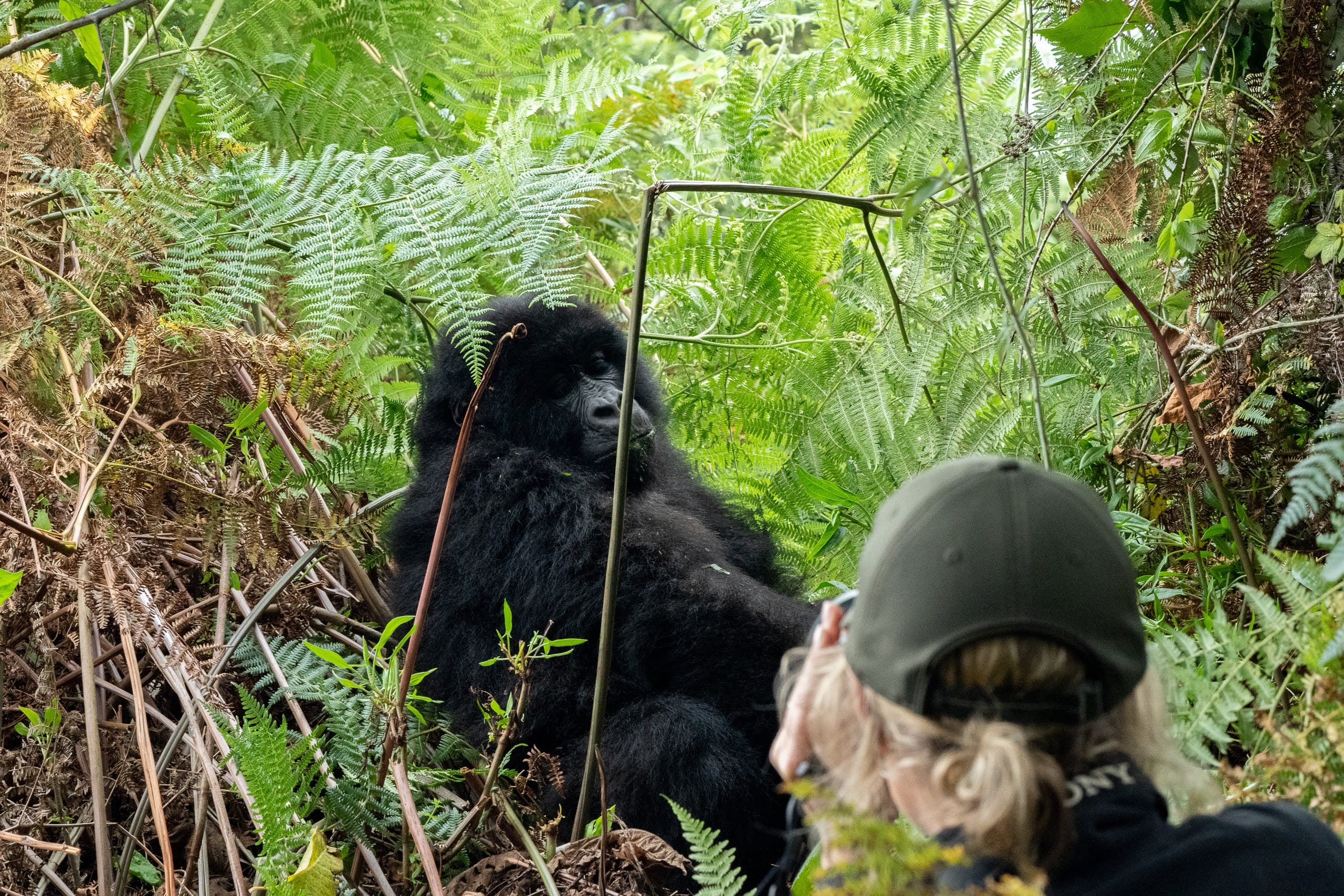
Once the gorillas are found, the pace shifts from movement to observation. Visitors are allowed one hour to watch the gorillas as they feed, groom, and interact with one another. The proximity of the encounter is extraordinary, often bringing you within a few meters of these powerful yet gentle animals. The experience is both humbling and intense, offering a rare glimpse into the lives of one of our closest relatives.
Physical Preparation and Fitness Requirements
Gorilla trekking in Bwindi requires a moderate to high level of physical fitness due to the challenging terrain. The forest is known for its steep slopes and dense vegetation, which can make trekking physically demanding. The duration of the trek is unpredictable, depending on the location of the gorillas, and can vary from one hour to several hours.
Preparation is key to ensuring a comfortable and enjoyable experience. Wearing sturdy hiking boots, long-sleeved clothing, and gloves can help protect against vegetation and insects. Carrying sufficient water and maintaining a steady pace are also important, as conditions can be humid and physically taxing.
Porters are available to assist with carrying bags and providing support during the trek. Hiring a porter not only makes the experience easier but also supports local communities, adding a social benefit to your visit.
Best Time to Visit Bwindi for Gorilla Trekking
Gorilla trekking in Bwindi Impenetrable National Park is possible year-round, but seasonal conditions can influence the experience. The dry seasons, typically from June to September and December to February, are often considered the best times to visit due to easier trekking conditions and less muddy trails.
The wet seasons, while more challenging, offer their own advantages. The forest becomes lush and vibrant, and there are fewer visitors, creating a more intimate experience. Gorilla sightings remain consistent throughout the year, as the animals do not migrate and remain within the forest.
Choosing the best time depends on your preferences for weather, crowd levels, and overall travel conditions.
Wildlife and Biodiversity Beyond Gorillas
While gorillas are the main attraction, Bwindi is home to an incredible range of biodiversity. The forest supports numerous primate species, birds, and plant life, making it a haven for nature enthusiasts. This diversity enhances the trekking experience, as the journey through the forest reveals much more than just the destination.
Birdwatchers, in particular, will find Bwindi rewarding, with many endemic and rare species inhabiting the forest. The ecosystem itself is a living archive of evolutionary history, with plant species that have existed for thousands of years.
This richness adds depth to the experience, transforming gorilla trekking into a broader exploration of one of Africa’s most important प्राकृतिक habitats.
Responsible Trekking and Conservation
Gorilla trekking in Bwindi operates under strict guidelines designed to protect both the animals and their environment. Visitors are required to maintain a safe distance from the gorillas, follow ranger instructions, and adhere to rules that minimize impact. These measures are essential for preserving the health and behavior of the gorillas.
Tourism plays a critical role in conservation by generating revenue that supports park management and local communities. By participating in a regulated trekking experience, visitors contribute directly to the protection of mountain gorillas and their habitat.
Responsible trekking ensures that future generations will continue to have the opportunity to experience this remarkable interaction with wildlife.
Why Bwindi Offers a Unique Gorilla Trekking Experience
What sets Bwindi Impenetrable National Park apart is the depth and intensity of the experience it offers. The combination of dense forest, challenging terrain, and close encounters with gorillas creates a journey that is both physically and emotionally engaging.
Unlike more accessible trekking environments, Bwindi demands effort and patience, rewarding visitors with a sense of achievement and connection to the natural world. The forest itself feels alive, with every sound and movement contributing to the overall atmosphere.
For those seeking an authentic and immersive gorilla trekking experience, Bwindi stands as one of the most compelling destinations in Africa.