Where to Stay for the Great Migration River Crossings
Understanding the Importance of Location During River Crossing Season
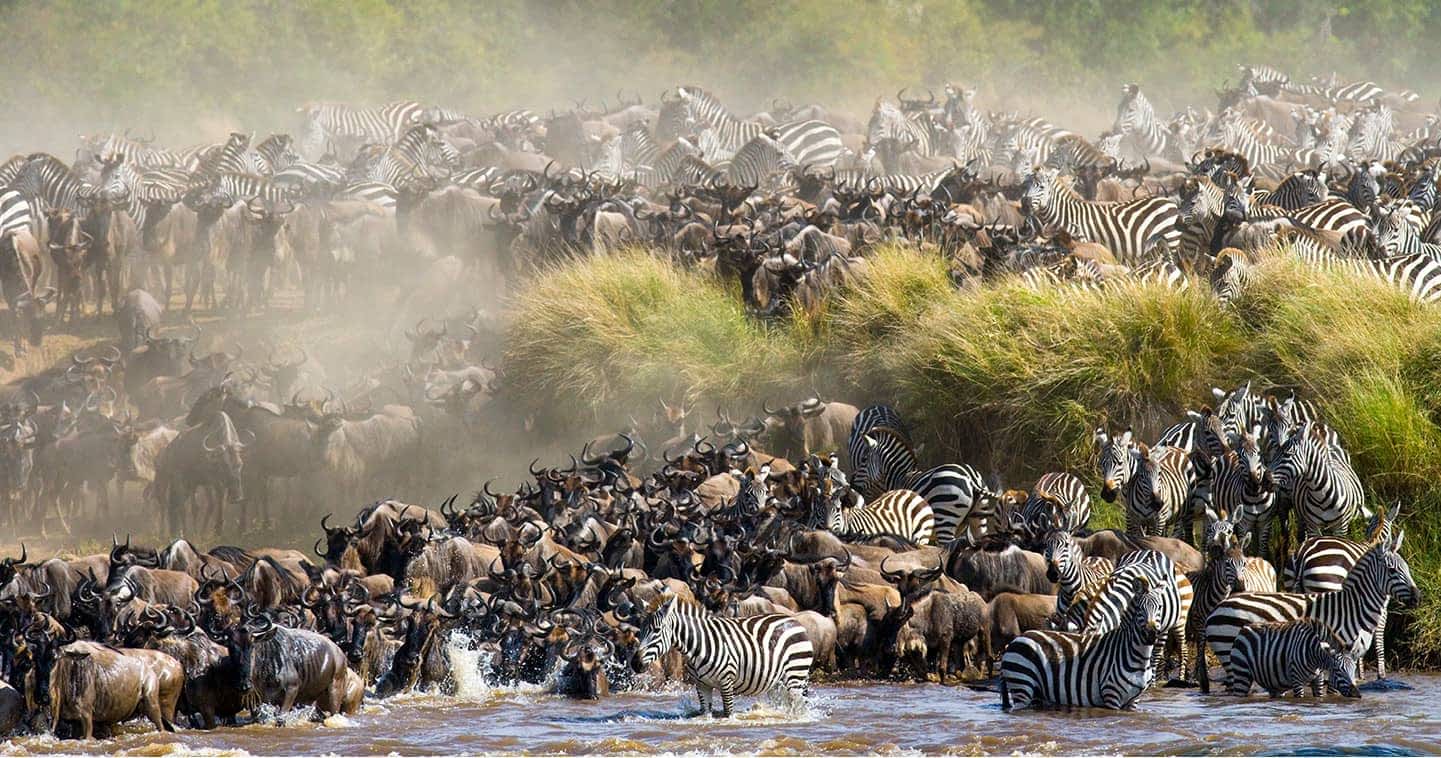
The river crossing phase of the Great Migration is one of the most sought-after wildlife experiences, but it is also one of the most unpredictable. Unlike the calving season, which is tied to relatively stable southern plains, river crossings depend on a combination of herd pressure, grazing conditions, and timing that can shift daily. This means that where you stay is not just a matter of comfort, but a strategic decision that directly impacts your chances of witnessing crossings. The key is proximity to major river systems, particularly in the northern Serengeti and the Masai Mara, where the herds gather and eventually attempt to cross crocodile-filled waters.
The challenge with river crossings is that they are not guaranteed events. Herds may arrive at a riverbank and wait for hours or even days before making a move. Sometimes they disperse and return later, creating a pattern of unpredictability that requires both patience and positioning. Staying close to known crossing points significantly increases your chances because it reduces travel time and allows for quick response when movement begins. Camps and lodges positioned along river corridors provide this advantage, often enabling multiple viewing opportunities within a single day.
Northern Serengeti: The Core of River Crossing Action
The northern Serengeti is widely considered the heart of river crossing activity, particularly between July and October. This region offers direct access to sections of the Mara River where crossings frequently occur, although the exact timing varies each year depending on rainfall and grazing conditions. Staying in this region allows for early morning and late afternoon game drives that align with peak wildlife activity, giving you the best chance of being present when herds gather at the riverbanks.
Accommodation here ranges from permanent lodges to seasonal mobile camps that relocate based on migration patterns. Mobile camps are especially valuable during this period because they are designed to follow herd movements, positioning themselves close to active crossing zones. This flexibility provides a significant advantage over fixed locations, as it adapts to the natural unpredictability of the migration.
The landscape in this region is a mix of rolling grasslands, rocky outcrops, and riverine forest, creating a diverse environment that supports both herbivores and predators. Crocodiles dominate the river systems, while lions and hyenas patrol nearby areas, creating a high-intensity ecosystem where survival plays out in real time.
Masai Mara: Consistent Access and High Density Viewing
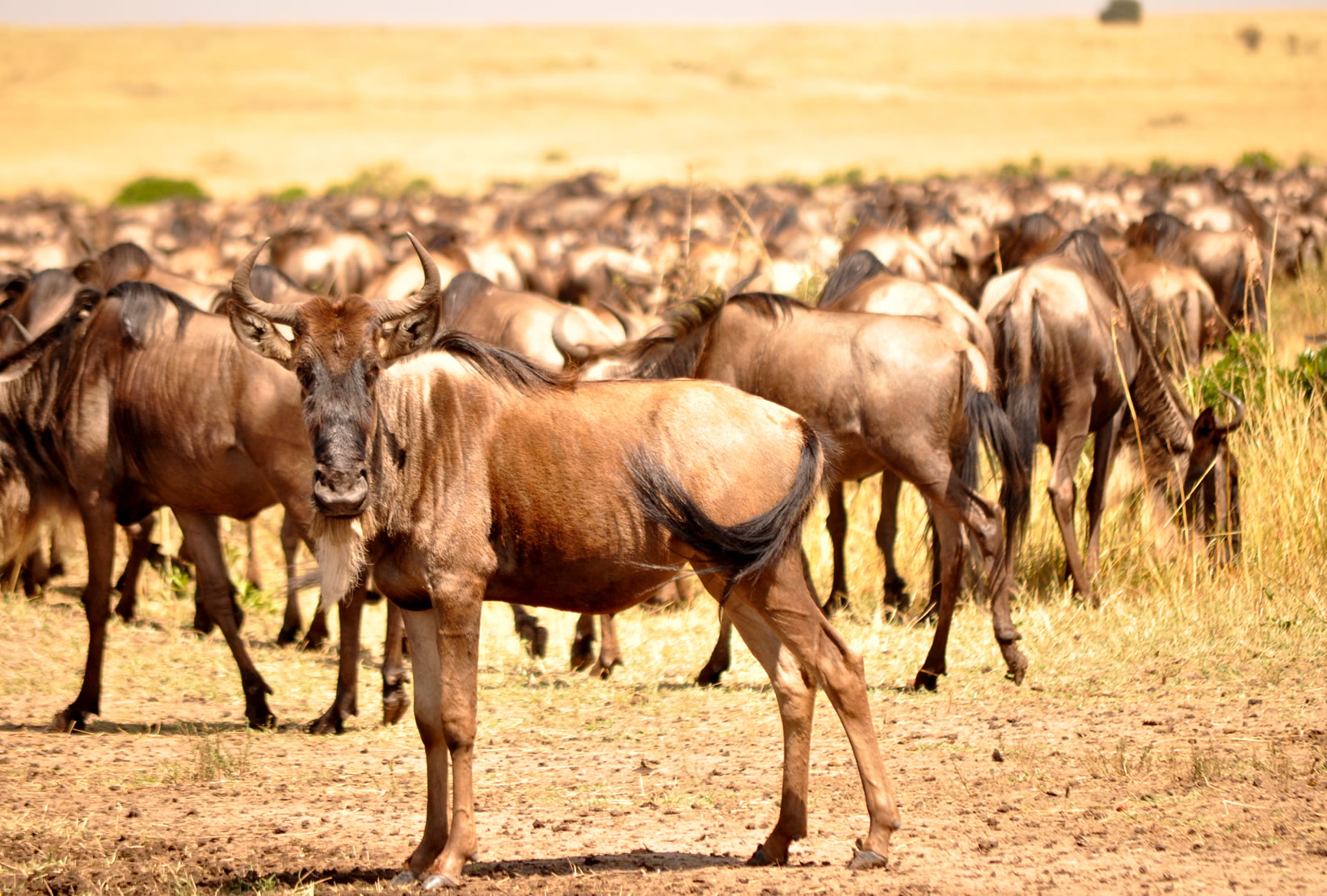
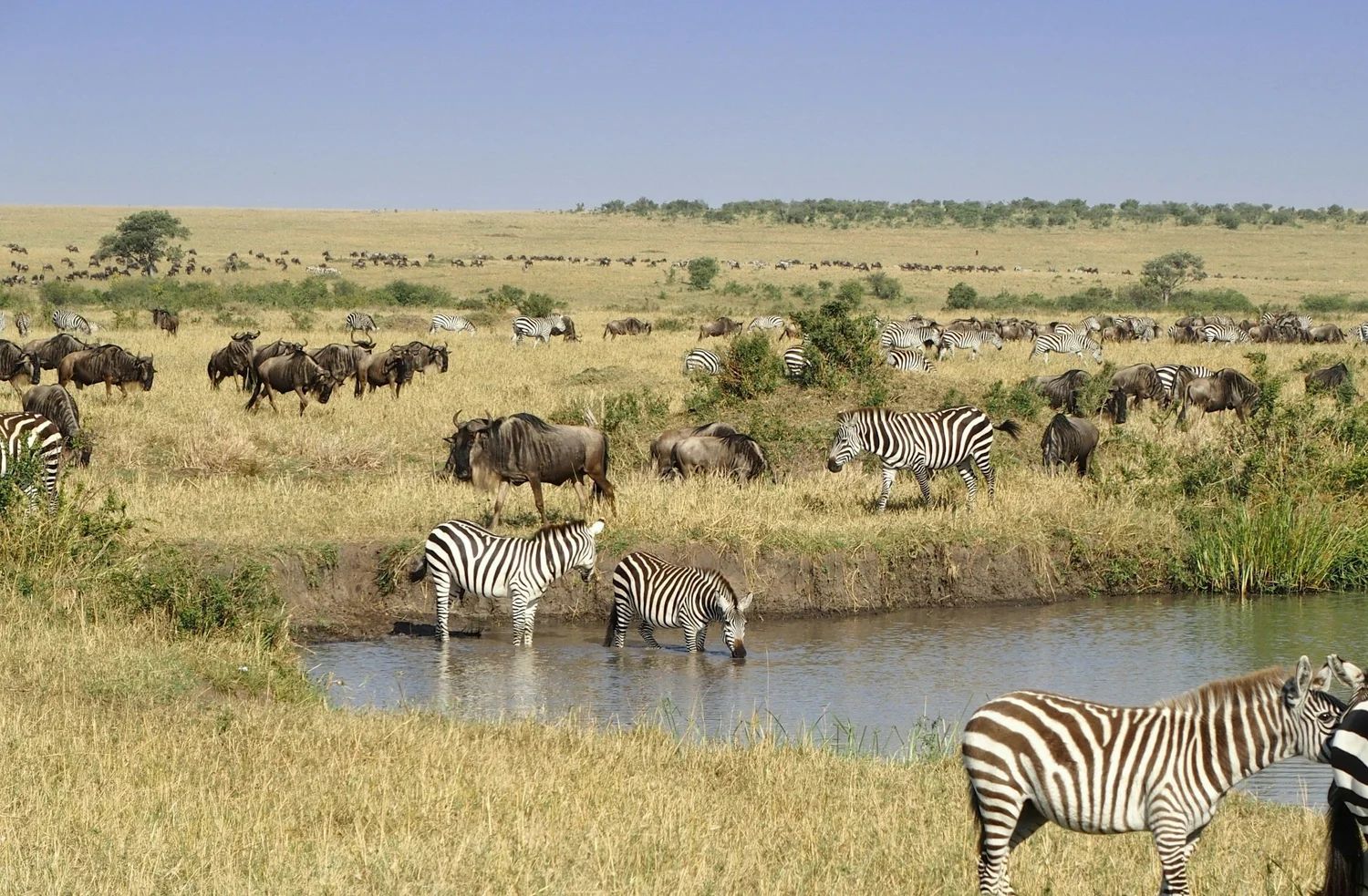
Across the border, the Masai Mara offers another prime location for witnessing river crossings. The migration typically enters this region after moving through the northern Serengeti, bringing large concentrations of wildebeest and zebras into a relatively compact area. One of the advantages of staying here is the density of wildlife, which increases the likelihood of encounters not just with crossing herds but also with predators that follow closely behind.
The Masai Mara is known for its accessibility and well-developed safari infrastructure, which allows for efficient movement between different viewing areas. Certain sections along the Mara River are particularly active during crossing season, and staying within close reach of these areas ensures that you can respond quickly when crossings begin.
Unlike more remote regions, the Mara often provides a combination of consistent wildlife presence and relatively easier logistics. This makes it an appealing option for those who want a higher probability of sightings within a limited timeframe. However, this accessibility can also mean more vehicles at popular crossing points, which is something to consider when choosing where to stay.
Mobile Camps vs Permanent Lodges: Choosing the Right Strategy
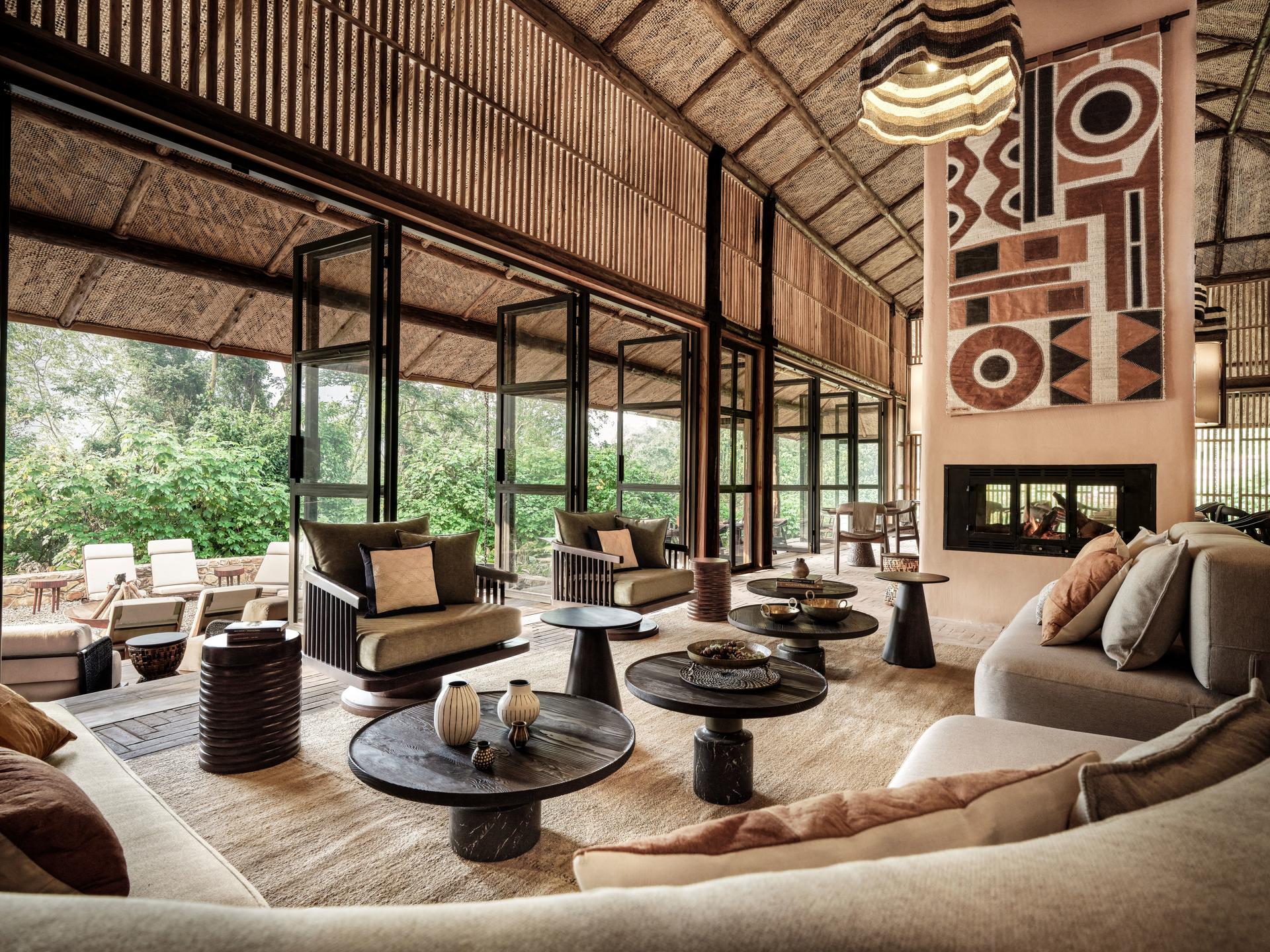
When deciding where to stay for river crossings, the choice between mobile camps and permanent lodges becomes a central consideration. Mobile camps are designed to move with the migration, offering front-row access to active areas. These camps prioritize location above all else, often setting up near river crossing points where herds are expected to gather. The experience is immersive, placing you close to the action with minimal travel time.
Permanent lodges, on the other hand, provide stability and often higher levels of infrastructure. They are built in strategic locations that historically see consistent migration activity, including river corridors. While they do not move, their established positioning still offers strong access to crossings, especially when located in known hotspots.
The decision between the two depends on your priorities. If maximizing proximity and flexibility is the goal, mobile camps offer a clear advantage. If comfort, amenities, and a more predictable setup are important, permanent lodges provide a balanced experience while still maintaining good access to wildlife.
Proximity to River Crossing Points: A Critical Factor
Not all accommodations within the northern Serengeti or Masai Mara offer equal access to river crossings. The key factor is how close they are to active crossing points. Some areas of the river see more frequent activity than others, and staying near these zones can make a significant difference in your experience.
Being within a short driving distance allows for repeated visits to the same crossing points, increasing the likelihood of witnessing an actual crossing rather than just herd buildup. It also allows guides to monitor herd behavior throughout the day, adjusting plans based on movement patterns. This level of responsiveness is essential given the unpredictable nature of crossings.
Locations further away from the river may still offer excellent wildlife viewing, but they reduce the chances of catching crossings at the right moment. Travel time becomes a limiting factor, especially when crossings happen suddenly and without warning.
Timing Your Stay for Maximum Opportunity
River crossing season generally falls between July and October, but the exact timing varies each year. Early in the season, herds begin arriving in northern regions, with initial crossings often occurring as pressure builds along riverbanks. As the season progresses, crossings become more frequent, with herds moving back and forth across the river depending on grazing conditions.
Planning your stay within this window increases your chances, but flexibility within your itinerary is equally important. Spending multiple days in a river-focused location significantly improves the probability of witnessing crossings, as it allows time for herd behavior to develop and conditions to align.
Weather patterns also play a role, as rainfall influences grass availability and movement direction. A well-timed visit aligned with these natural factors can enhance the overall experience.
The Experience Beyond the Crossing
While river crossings are the highlight, staying in these regions offers much more than a single moment of action. The buildup to a crossing can be just as compelling, with herds gathering, hesitating, and interacting along the riverbanks. Predator presence adds another layer of intensity, as lions and crocodiles position themselves strategically in anticipation.
The surrounding ecosystem is equally rich, offering sightings of elephants, giraffes, and a wide range of birdlife. The landscape itself changes with the seasons, creating a dynamic backdrop that evolves throughout your stay. This means that even on days without crossings, there is still a depth of wildlife experience to explore.