Is August the Best Month to See the Great Migration?
Understanding What “Best” Really Means in the Migration
Asking whether August is the best month to see the Great Migration sounds straightforward, but the reality is more nuanced because the migration is not a single event with a fixed peak. It is a continuous, year-round movement shaped by rainfall, grazing conditions, and survival instincts. What you experience depends entirely on what aspect of the migration you are most interested in witnessing. August stands out because it aligns with one of the most dramatic phases of the cycle, but that does not automatically make it universally the best for every type of safari experience.
The idea of a “best month” is therefore subjective. For some, it means high drama and river crossings, while for others it means calving, predator interaction, or quieter, more immersive wildlife viewing. August delivers intensity, but it also comes with trade-offs such as higher visitor numbers and less flexibility in movement due to concentrated activity zones.
What Happens During the Great Migration in August
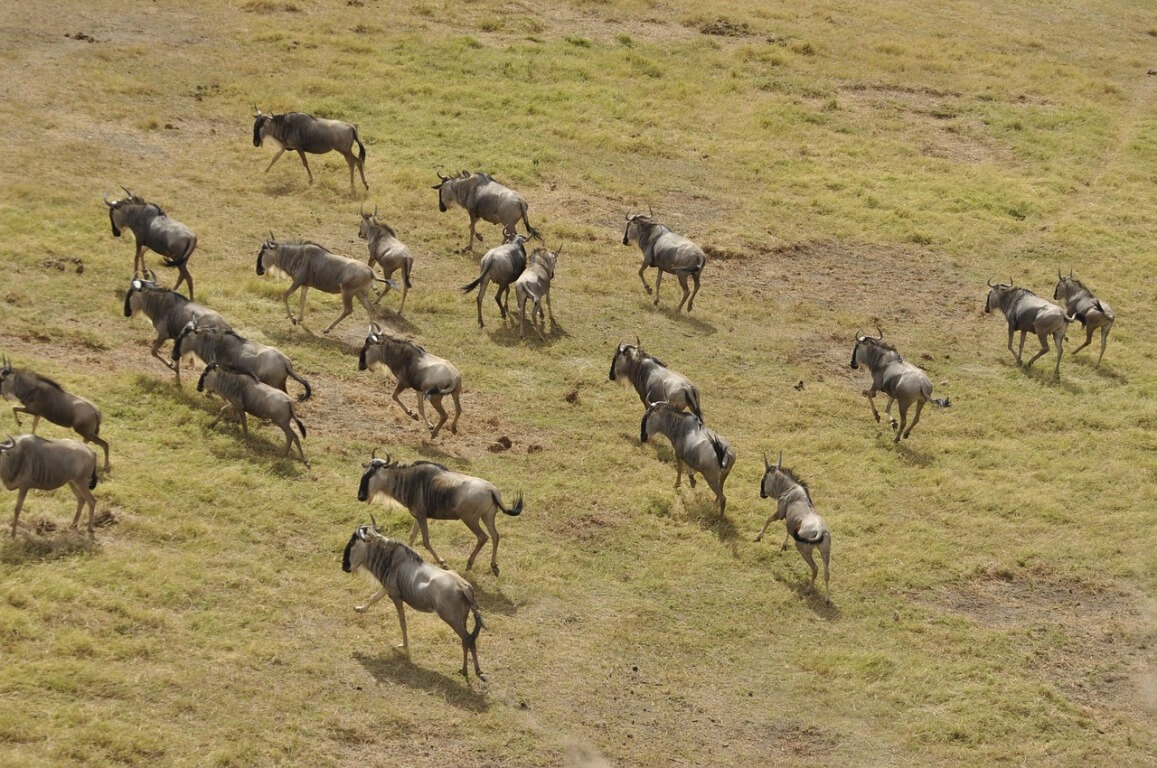
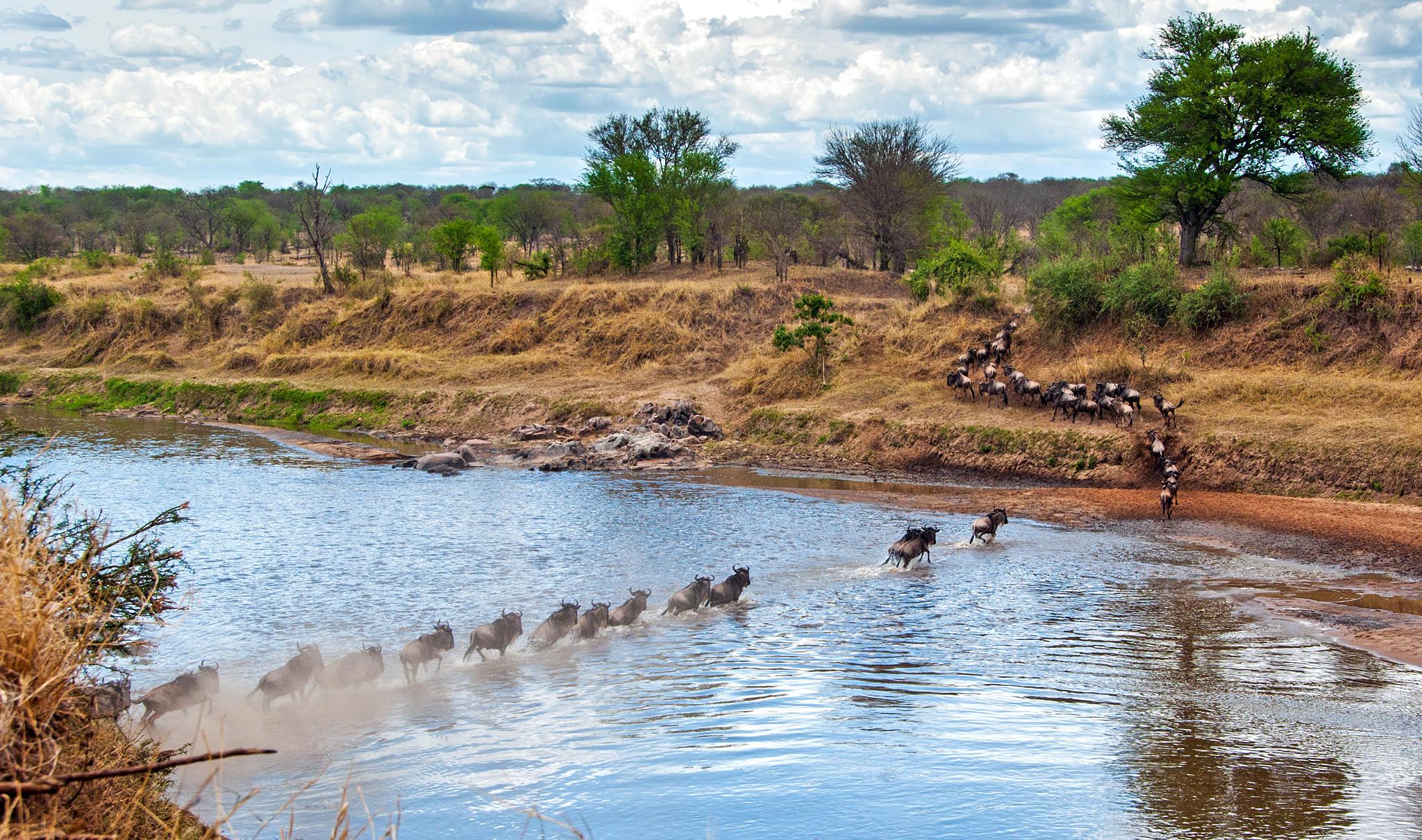
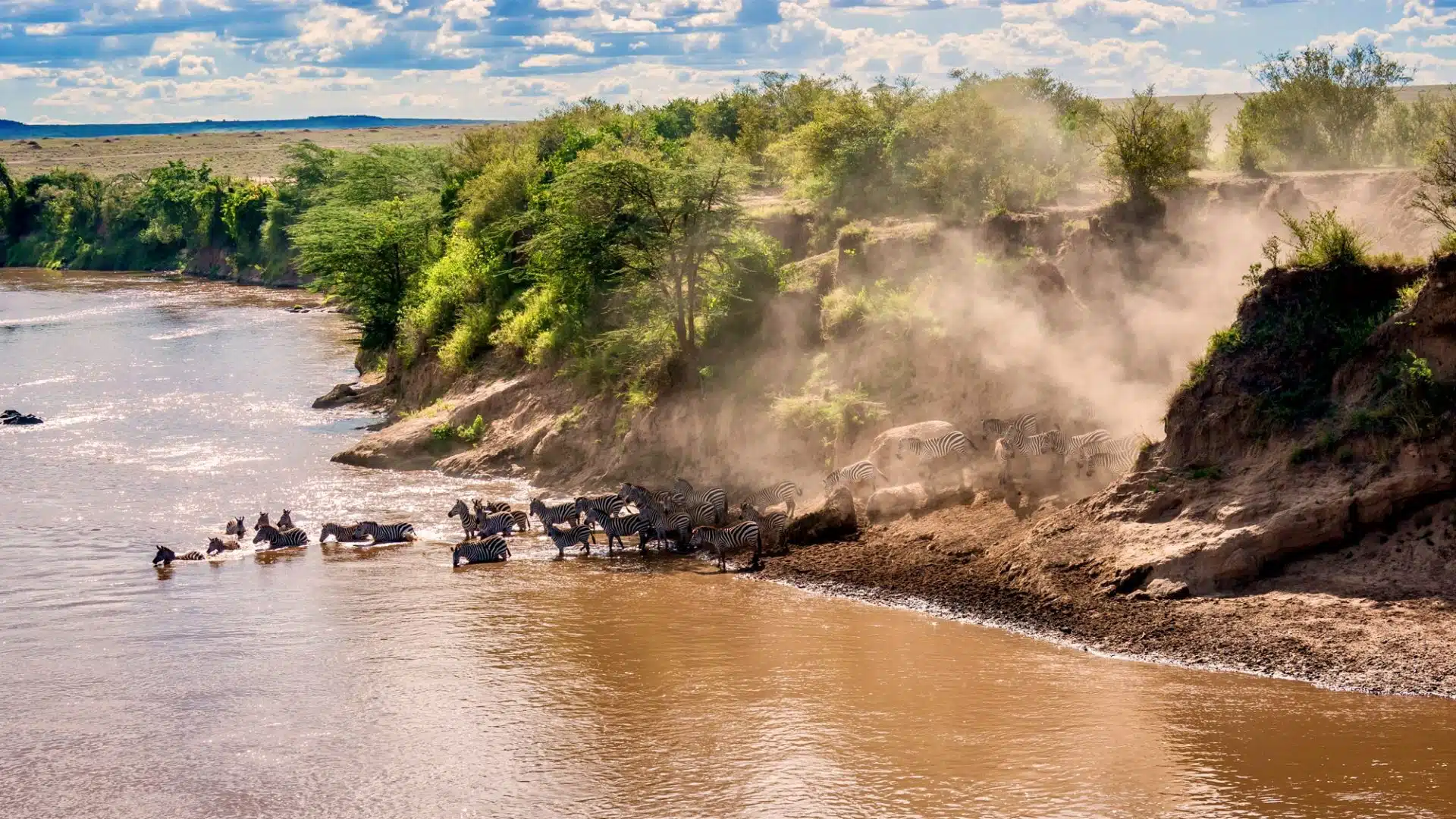
In August, the Great Migration is typically concentrated in the northern Serengeti and the Maasai Mara, where herds gather around major river systems. This is the period when river crossings are most frequent, driven by the need to access fresh grazing on either side of the river. Thousands of wildebeest and zebras cluster along riverbanks, creating scenes of anticipation and tension that can last for hours or even days before a crossing occurs.
When crossings happen, they are sudden and chaotic. Herd pressure builds, and once a few animals commit, the rest follow in a surge of movement. The river becomes a focal point of survival, with strong currents, steep banks, and crocodiles all adding to the danger. This combination of risk and urgency is what makes August one of the most visually dramatic times of the migration.
Beyond the crossings, the surrounding plains are filled with large herds and active predator populations. Lions, hyenas, and other predators track the migration closely, creating frequent opportunities to observe hunting behavior and predator-prey interactions.
Why August is Considered One of the Best Months
August is often regarded as one of the best months because it offers a high probability of witnessing river crossings, which are among the most iconic moments of the Great Migration. The concentration of herds in northern regions increases the likelihood of encounters, while the dry season conditions make wildlife easier to spot due to shorter grass and limited water sources.
The density of animals during this period creates a sense of scale that is difficult to replicate at other times of the year. Large groups of wildebeest stretch across the landscape, and the constant movement adds energy and unpredictability to every game drive. Predator activity is also elevated, as the abundance of prey attracts and sustains large carnivore populations.
Another advantage of August is the generally stable weather. Dry conditions reduce travel challenges and improve visibility, making it easier to follow herds and track behavior over longer distances. This contributes to a more consistent and rewarding safari experience.
The Limitations of Visiting in August
Despite its advantages, August is not without its drawbacks. One of the main challenges is the increased number of visitors, particularly around popular river crossing points. The concentration of wildlife in specific areas can lead to higher vehicle density, which may affect the sense of exclusivity and immersion.
Another limitation is that river crossings, while more frequent in August, are never guaranteed. Herds may gather at a riverbank multiple times without crossing, or they may cross in locations that are difficult to access. This unpredictability means that even during peak season, patience is essential.
Additionally, August focuses heavily on one phase of the migration. While it delivers dramatic moments, it does not offer the full spectrum of the migration cycle, such as calving or the long transitional movements seen earlier in the year. For those seeking a more comprehensive understanding of the migration, other months may provide a broader perspective.
How August Compares to Other Months
Compared to earlier months like January and February, which focus on calving in the southern plains, August is less about birth and more about survival under pressure. The emotional intensity shifts from nurturing and vulnerability to endurance and risk. Both periods are powerful, but they highlight different aspects of the migration.
In contrast to the transitional months of April and May, which emphasize movement and adaptation, August delivers concentrated action in a defined region. This makes it more predictable in terms of location, even if specific events remain uncertain.
Later months such as October and November begin to show the return movement south, where the pace slows and the landscape changes again. These months offer a quieter experience compared to the intensity of August, appealing to those who prefer fewer crowds and a more relaxed pace.
Is August the Best Month for You?
Whether August is the best month depends entirely on your priorities. If your goal is to witness river crossings and experience the most dramatic moments of the Great Migration, August is one of the strongest choices. The combination of herd density, predator activity, and environmental conditions creates a high-impact safari experience.
However, if you are more interested in calving, fewer crowds, or a broader view of the migration cycle, other months may be more suitable. Each phase of the migration offers something unique, and no single month captures the entire story.
August stands out because it delivers intensity and scale, but it is just one chapter in a much larger and continuously unfolding natural phenomenon.