Gorilla Habituation Experience vs Gorilla Trekking: Key Differences
Understanding the Two Gorilla Encounters
When planning a primate safari, one of the most important distinctions to understand is the difference between the gorilla habituation experience and standard gorilla trekking. Both offer close encounters with mountain gorillas, but they are fundamentally different in purpose, duration, and depth of interaction. In Uganda, particularly within Bwindi Impenetrable National Park, travelers have the rare opportunity to choose between these two experiences. Each provides a unique way of engaging with gorillas, shaped by how accustomed the animals are to human presence and how much time you spend observing them.
Gorilla trekking is the more widely known activity, involving visits to fully habituated gorilla families that are comfortable with limited human contact. The habituation experience, on the other hand, takes you into the process itself, where gorillas are still getting used to human presence under the supervision of researchers and rangers. This distinction defines everything from the pace of the encounter to the level of immersion you experience in the forest.
What is Gorilla Trekking?
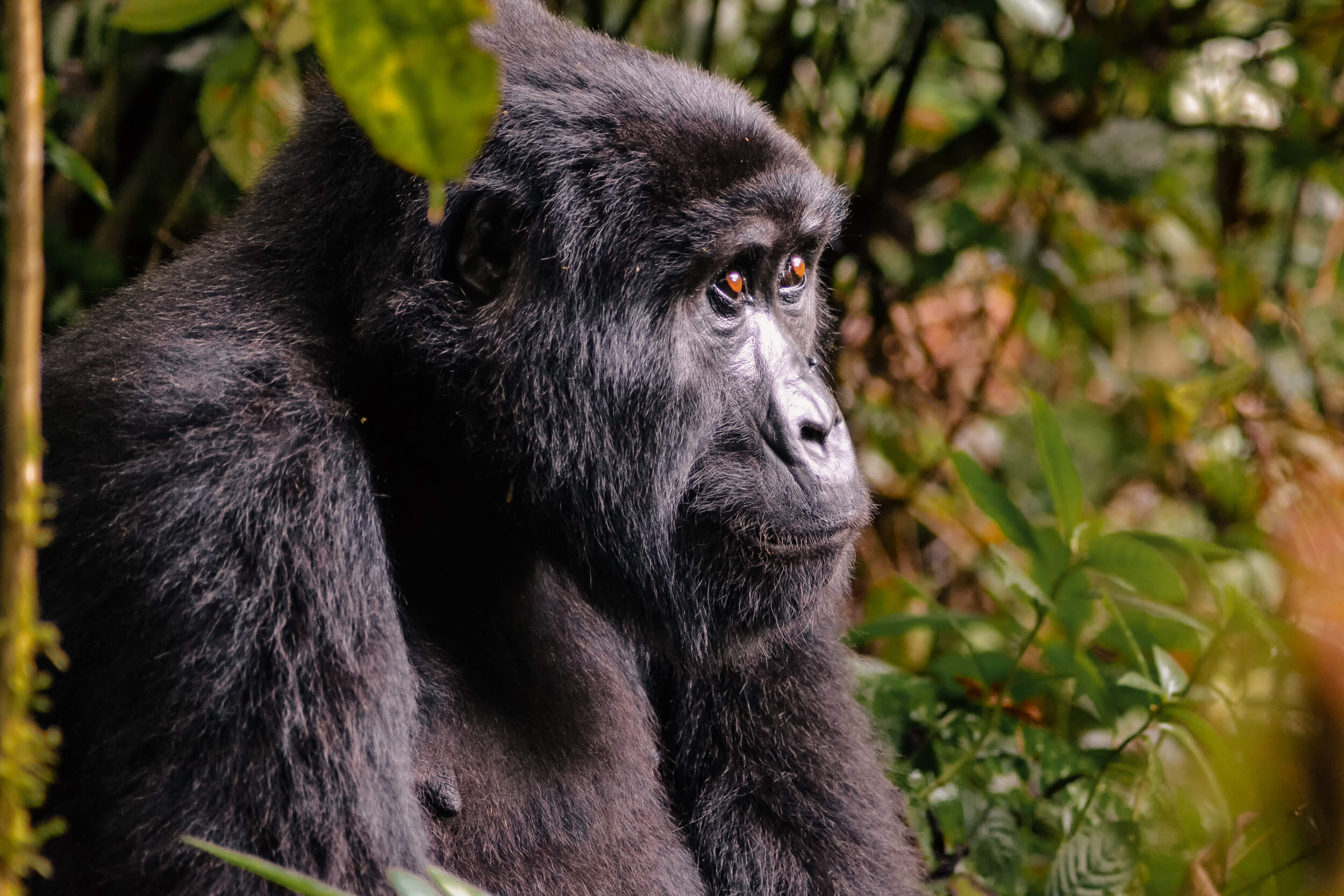
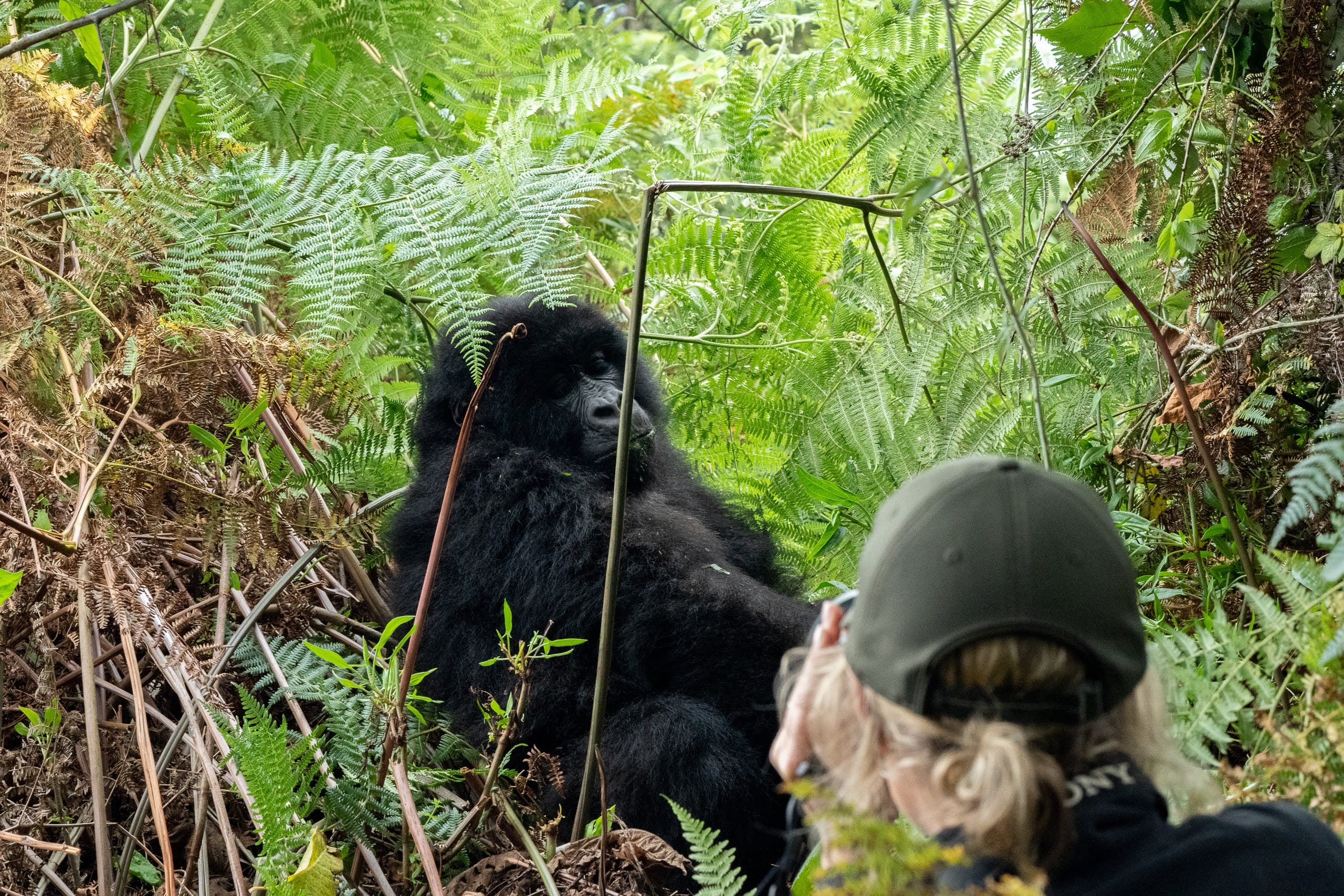
Gorilla trekking is a guided activity where visitors hike through the forest to locate a habituated gorilla family and spend one hour observing them. These families have undergone a careful process of habituation over several years, allowing them to tolerate human presence without altering their natural behavior. This makes it possible for small groups of visitors to approach and observe them at close range.
The trekking experience begins with a briefing and group assignment, followed by a hike that can vary in duration depending on the location of the gorillas. Once the group is found, the one-hour viewing window begins. During this time, you observe feeding, grooming, social interactions, and movement within the group. The structure is controlled and efficient, designed to balance visitor experience with conservation needs.
Gorilla trekking is ideal for those who want a focused, high-impact wildlife encounter within a manageable timeframe. It offers consistency, as habituated groups are regularly tracked and easier to locate compared to non-habituated ones.
What is the Gorilla Habituation Experience?
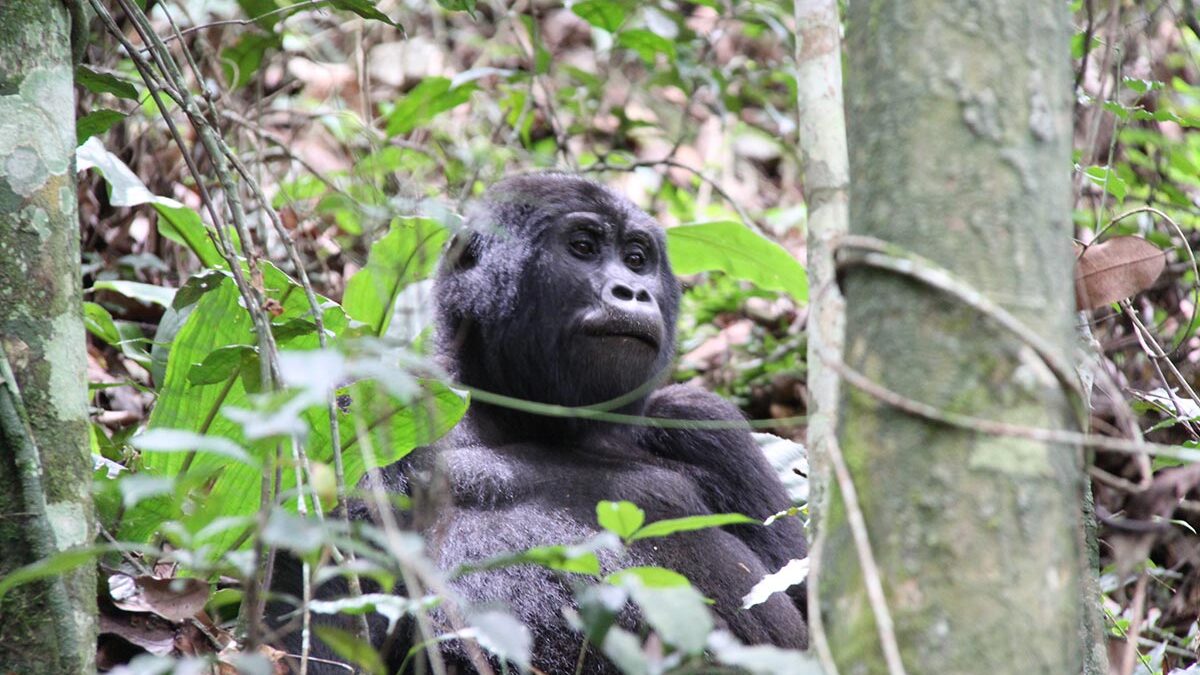
The gorilla habituation experience is a more immersive and extended encounter that allows you to spend up to four hours with a semi-habituated gorilla group. These gorillas are still in the process of becoming accustomed to human presence, and the experience takes place alongside researchers, trackers, and conservation teams.
Unlike standard trekking, the habituation experience is not just about observation but about witnessing the process of habituation itself. You may see researchers using vocal cues, maintaining distance, and gradually building trust with the gorillas. The animals may be more cautious or curious, creating a dynamic and less predictable interaction.
This experience is more exclusive, with fewer permits available each day. It requires a greater time commitment and often involves longer treks, as these groups may be located deeper within the forest. The extended time spent with the gorillas allows for a deeper understanding of their behavior and social structure.
Key Difference: Duration of the Experience
One of the most significant differences between gorilla habituation and trekking is the amount of time you spend with the gorillas. Gorilla trekking limits visitors to one hour, ensuring minimal disturbance to fully habituated families. This hour is carefully managed but still provides a powerful and memorable encounter.
In contrast, the habituation experience allows up to four hours with the gorillas. This extended period creates a more relaxed and detailed observation, where you can witness subtle behaviors and changes in group dynamics over time. The longer duration also allows for a deeper emotional connection, as you become more immersed in the gorillas’ world.
This difference in time is not just quantitative but qualitative, shaping how you perceive and engage with the experience.
Key Difference: Level of Immersion
Gorilla trekking offers a structured and relatively predictable encounter. The gorillas are accustomed to human presence, and the interaction is designed to be safe, controlled, and efficient. While still deeply impactful, it is a more curated experience.
The habituation experience, by contrast, is less predictable and more immersive. Because the gorillas are not fully habituated, their behavior can vary significantly. They may move away, observe from a distance, or display curiosity toward the group. This unpredictability adds a layer of authenticity and depth, making the experience feel more like a shared space rather than a managed encounter.
For those seeking a deeper connection and a more behind-the-scenes perspective, habituation offers a level of immersion that goes beyond traditional trekking.
Key Difference: Cost and Accessibility
Cost is another important factor when comparing gorilla habituation vs trekking. The habituation experience is generally more expensive due to its exclusivity, longer duration, and involvement of researchers and specialized guides. Fewer permits are issued each day, making it a premium option for travelers seeking a more in-depth encounter.
Gorilla trekking, while still a high-value experience, is more accessible in terms of both cost and availability. More permits are available, and the shorter duration allows for a wider range of travelers to participate. This makes trekking the more common choice for first-time visitors.
The decision often comes down to whether you prioritize exclusivity and depth or accessibility and efficiency.
Physical Demands and Trekking Conditions
Both experiences require a reasonable level of physical fitness, as they involve hiking through dense forest terrain. However, the habituation experience can be more physically demanding due to longer trekking times and the need to follow gorillas that are less predictable in their movement.
In Bwindi Impenetrable National Park, the terrain is already known for its steep slopes and thick vegetation, which adds to the challenge. The extended duration of the habituation experience means that endurance becomes more important, as you may spend several hours both trekking and observing.
Gorilla trekking, while still physically engaging, is generally shorter and more structured, making it more suitable for a wider range of fitness levels.
Which Experience Should You Choose?
Choosing between gorilla habituation vs trekking depends on your priorities, time, and level of interest in the behavioral aspects of gorillas. If you are looking for a shorter, well-structured experience that still delivers a powerful encounter, gorilla trekking is the ideal choice. It provides a high success rate and a focused interaction that fits well within most travel itineraries.
If, however, you are deeply interested in wildlife behavior, conservation, and immersive experiences, the habituation experience offers something more profound. The extended time, combined with the opportunity to observe gorillas in a less conditioned state, creates a richer and more nuanced encounter.
Both experiences take place in one of the most remarkable environments in Uganda, and both contribute to conservation efforts that protect these endangered animals.
Final Perspective on Gorilla Habituation vs Trekking
The comparison between gorilla habituation and trekking is not about which is better, but about which aligns with your expectations. Trekking offers accessibility and impact, while habituation provides depth and immersion. Each represents a different way of connecting with mountain gorillas, shaped by time, context, and level of interaction.
For many travelers, gorilla trekking is more than enough to create a lasting impression. For others, the habituation experience becomes a once-in-a-lifetime opportunity to go beyond observation and into understanding. Both paths lead to the same outcome—a profound connection with one of the most extraordinary species on Earth.