Best Camps to Watch the Mara River Crossing in 2026
Understanding What Makes a Camp Ideal for River Crossings
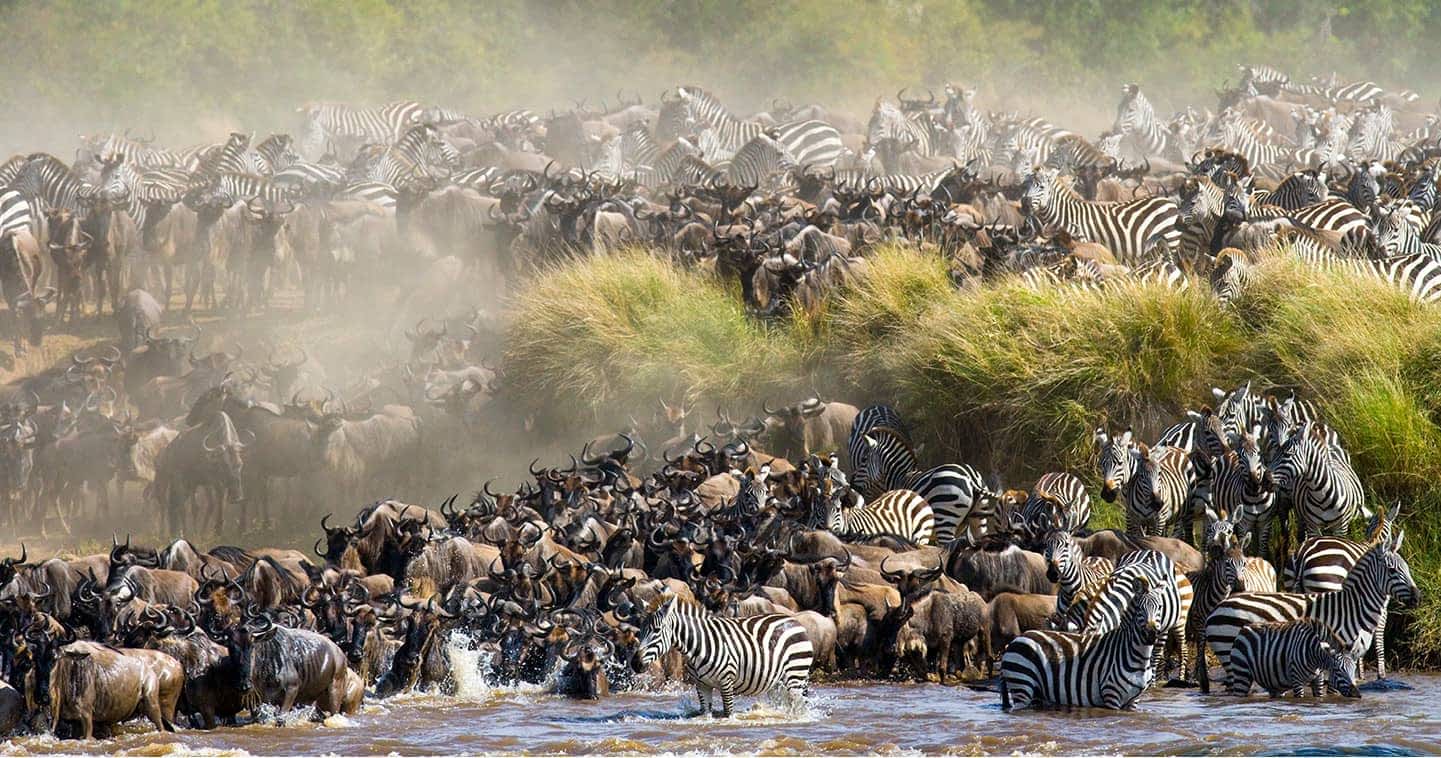
Choosing the right camp for the Mara River crossing is not just about accommodation style, but about strategic positioning within one of the most unpredictable wildlife events on Earth. River crossings do not happen on a schedule, and herds can gather, hesitate, disperse, and return without warning. This means your camp’s proximity to active crossing points becomes the single most important factor in determining whether you actually witness the event. Camps located along the Mara River or within short driving distance of known crossing zones give you a critical advantage, allowing guides to respond quickly when herds begin to build pressure at the riverbanks.
Equally important is the guiding quality and flexibility of game drives. Camps that prioritize early departures, extended time in the field, and adaptive tracking based on herd movement dramatically increase your chances of being in the right place at the right time. The best camps are not necessarily the most luxurious, but those that combine location, guiding expertise, and mobility to align with the natural rhythm of the migration.
Northern Serengeti Camps: Frontline Access to Remote Crossings
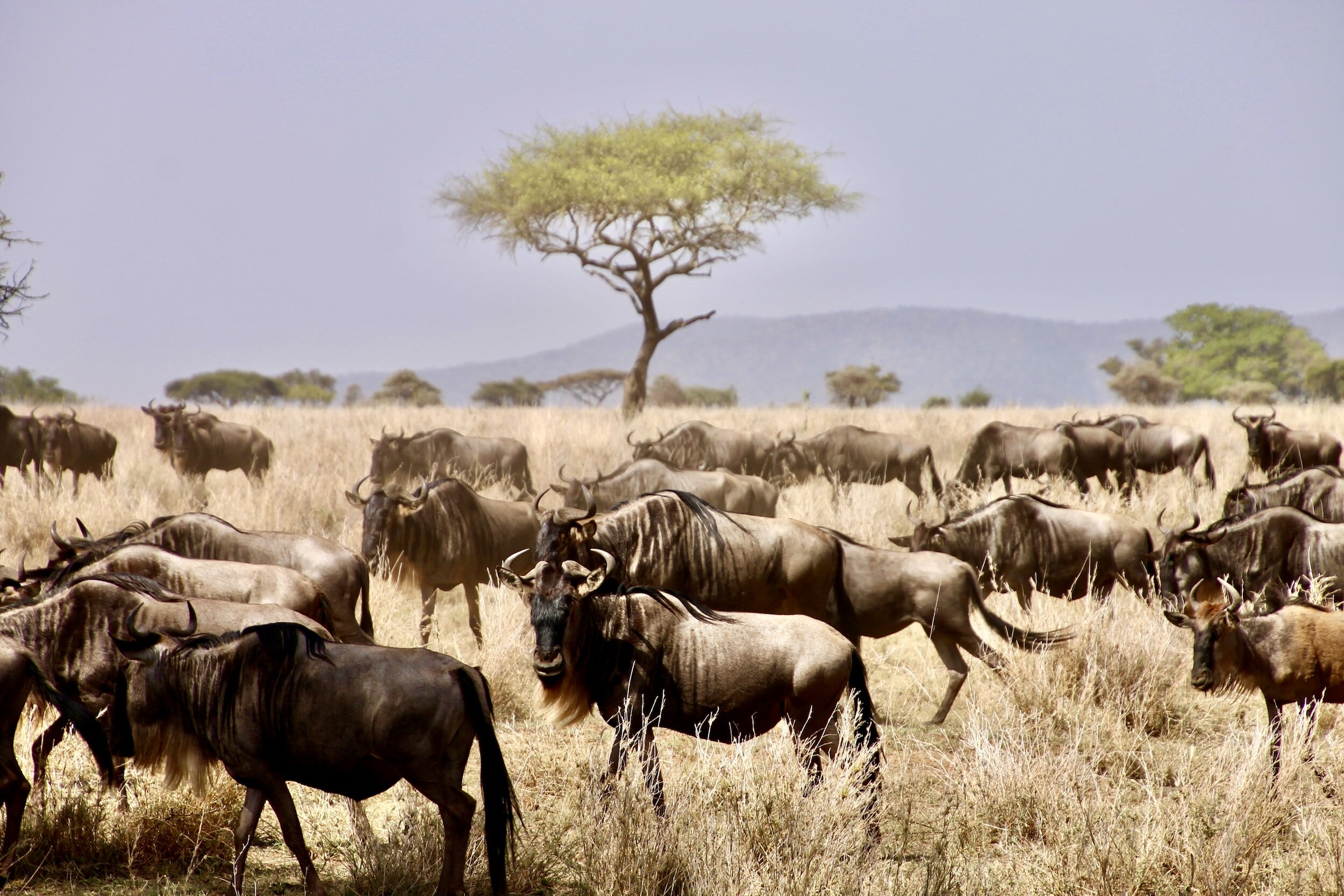
The northern Serengeti remains one of the most effective locations for witnessing Mara River crossings, particularly for those seeking a more exclusive and less crowded experience. Camps in this region are often positioned near key crossing points, offering direct access to areas where herds regularly gather. The advantage here is the sense of space and reduced vehicle density, which allows for a more immersive and uninterrupted viewing experience.
Seasonal mobile camps stand out in this region because they are designed to move with the migration. These camps reposition themselves based on herd movement, ensuring that they remain close to active crossing zones throughout the season. This adaptability is especially valuable in years when rainfall patterns shift the timing or location of crossings. Being based in a mobile camp means you are not tied to a single fixed location, increasing your chances of encountering active herds.
Permanent camps in the northern Serengeti also offer strong positioning, particularly those built near historically active crossing points. While they do not move, their locations are carefully selected based on long-term migration patterns. These camps often provide a balance between comfort and strategic access, making them a reliable option during peak crossing months.
Masai Mara Camps: High Density and Quick Access
On the Masai Mara side, camps offer a different but equally compelling advantage. The Mara’s smaller size means that wildlife is more concentrated, and distances between camps and crossing points are often shorter. This allows for faster response times when crossings begin, which is crucial given how quickly these events can unfold.
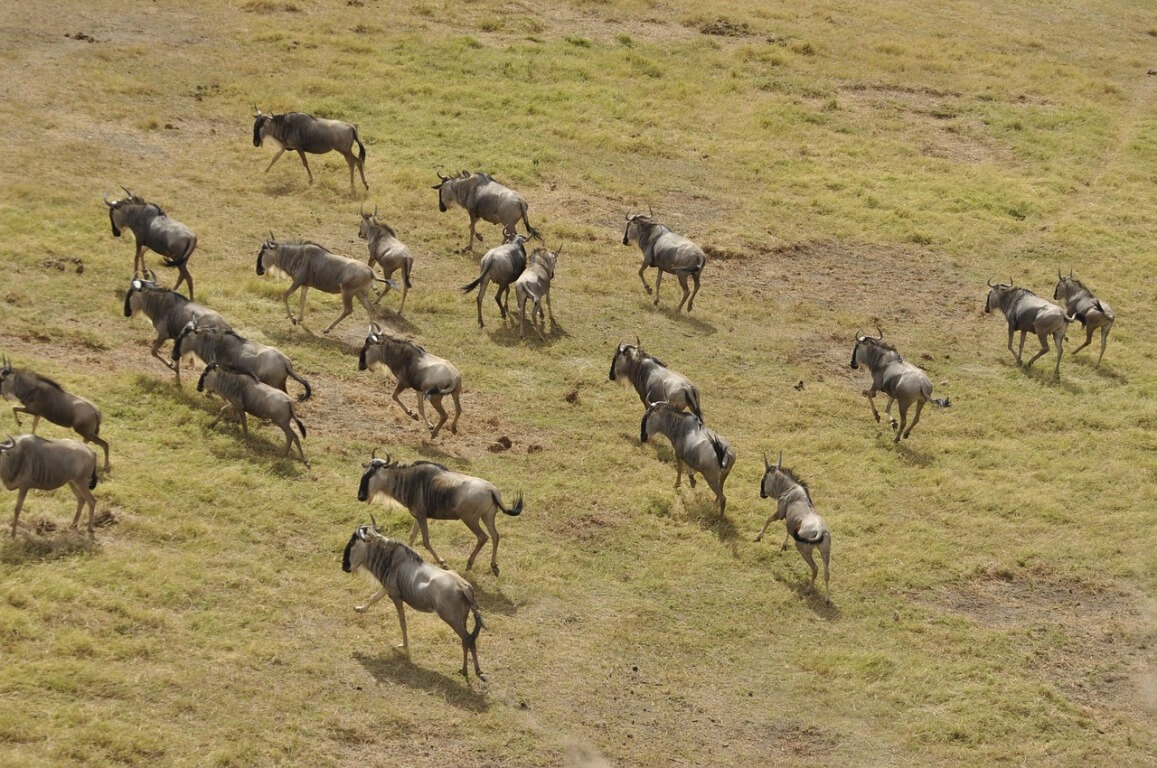
Camps located along the Mara River or within conservancies bordering the main reserve provide some of the best access to crossing sites. The density of herds during peak season increases the likelihood of repeated crossing attempts, giving guests multiple opportunities to witness the action. Additionally, the Mara’s infrastructure supports efficient movement, allowing guides to track herd behavior and position vehicles strategically.
Private conservancy camps add another layer of value by offering controlled access and lower vehicle density compared to the main reserve. This creates a more exclusive experience while still maintaining proximity to key crossing zones. The combination of accessibility, density, and guiding expertise makes the Mara a strong contender for those prioritizing consistent sightings.
Mobile Camps vs Permanent Camps: Which Works Better?
The debate between mobile camps and permanent camps becomes particularly relevant when focusing on river crossings. Mobile camps offer unmatched flexibility, as they can relocate to follow herd movement and position themselves near active crossing points. This makes them highly effective in seasons when the migration behaves unpredictably or when crossings shift to less common areas.
Permanent camps, however, provide stability and often higher levels of comfort. Many are located in areas with historically high crossing activity, meaning they still offer strong chances of witnessing crossings without the need to move. They also tend to have more established infrastructure, which can enhance the overall safari experience.
The choice ultimately depends on your priorities. If maximizing proximity and adaptability is your goal, mobile camps offer a clear advantage. If you prefer a more structured and comfortable base while still maintaining good access, permanent camps remain a solid option.
Timing Your Stay for 2026 River Crossings
For 2026, the Mara River crossing season is expected to follow its typical window between July and October, although exact timing will depend on rainfall patterns earlier in the year. Early arrivals of herds in the north can lead to crossings beginning as early as late June, while extended rains may delay peak activity into August or September.
Planning a stay of at least three to four nights in a river-focused location significantly increases your chances of witnessing a crossing. This allows time for herd buildup and multiple crossing attempts, as animals often approach the river several times before committing. Flexibility within your itinerary also plays a role, as being able to adjust based on real-time conditions can enhance your experience.
The Experience Beyond the Crossing
While the river crossing is the highlight, the overall experience of staying in these camps extends far beyond a single moment. The buildup to a crossing, with herds gathering and testing the water’s edge, can be just as compelling as the crossing itself. Predator activity adds another dimension, with crocodiles waiting in the river and lions or hyenas positioning themselves along the banks.
The surrounding ecosystem offers a rich variety of wildlife, from elephants and giraffes to a wide range of bird species. Even on days without crossings, the density of animals and the dynamic interactions between species ensure a rewarding safari experience. The landscape itself, shaped by seasonal changes, provides a constantly evolving backdrop that enhances the sense of being part of a living system.