Tarangire National Park Guide
Introduction to Tarangire National Park
Tarangire National Park is one of Tanzania’s most rewarding yet often underrated safari destinations, offering a quieter and more intimate alternative to the more famous northern parks. Located in Tanzania, Tarangire is defined by its vast landscapes, ancient baobab trees, and a seasonal river that acts as a lifeline for wildlife. While it may not always receive the same attention as larger parks, those who visit quickly discover that it delivers a deeply authentic safari experience.
The park changes dramatically throughout the year, shaped by rainfall and animal movement. This dynamic nature makes Tarangire especially rewarding for travelers who understand its seasonal rhythms. From lush green plains in the wet season to concentrated wildlife gatherings in the dry months, the park offers a constantly evolving environment.
Landscape and Ecosystem
The landscape of Tarangire National Park is one of its most defining features. The park is famous for its iconic baobab trees, some of which are centuries old and stand like natural monuments across the savannah. These massive trees, with their thick trunks and striking silhouettes, create a unique visual identity that sets Tarangire apart from other parks.
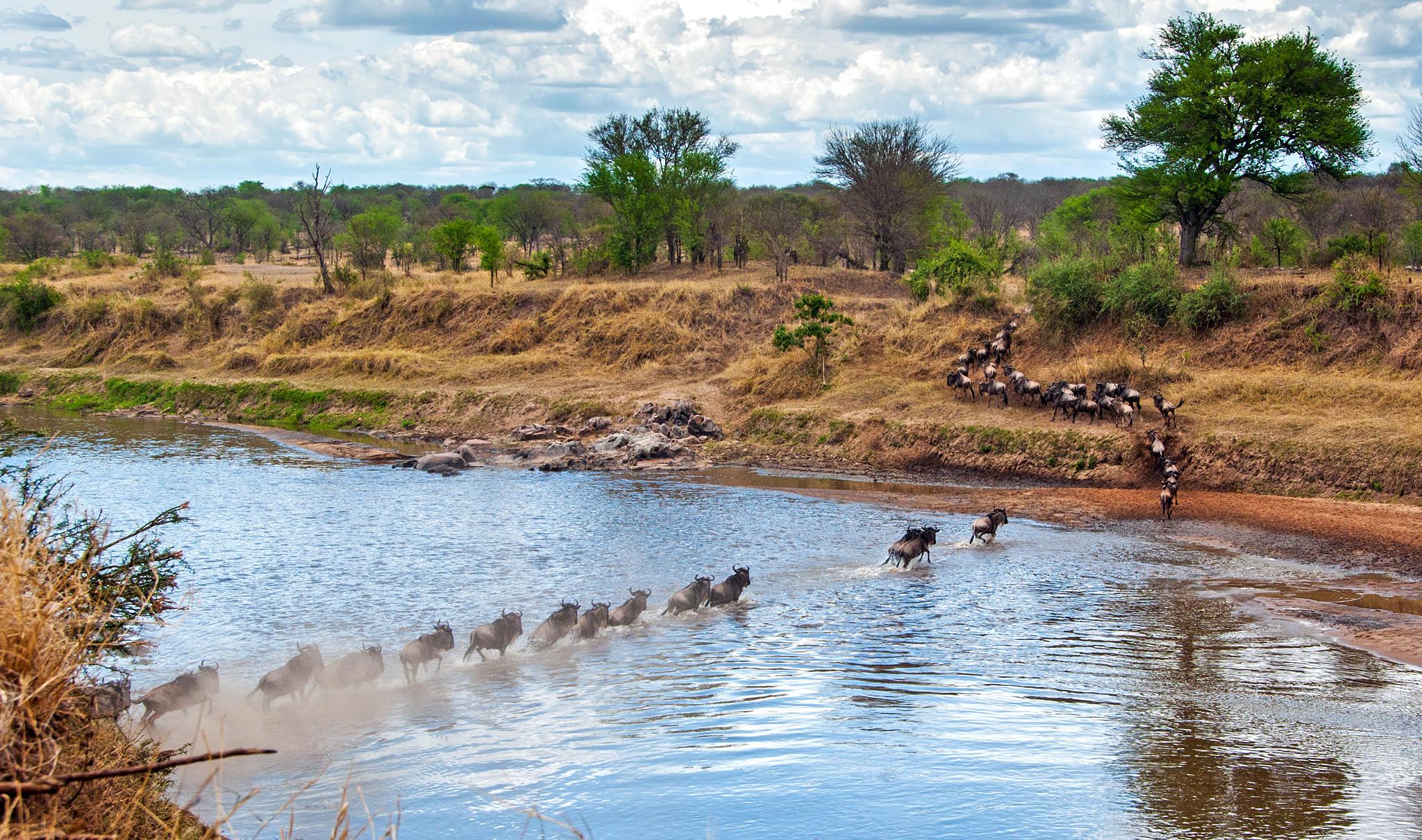
The Tarangire River flows through the park and becomes the primary water source during the dry season. As surrounding areas dry out, wildlife gathers along the river, creating exceptional viewing opportunities. The mix of riverine forest, open grassland, and acacia woodland supports a wide variety of species.
This diversity of habitats creates a layered ecosystem where different types of wildlife thrive, making every game drive feel varied and engaging.
Wildlife in Tarangire National Park
Tarangire is best known for its large elephant herds, which are among the biggest in East Africa. During the dry season, elephants gather in impressive numbers, often seen digging for water, bathing, or moving in large family groups.
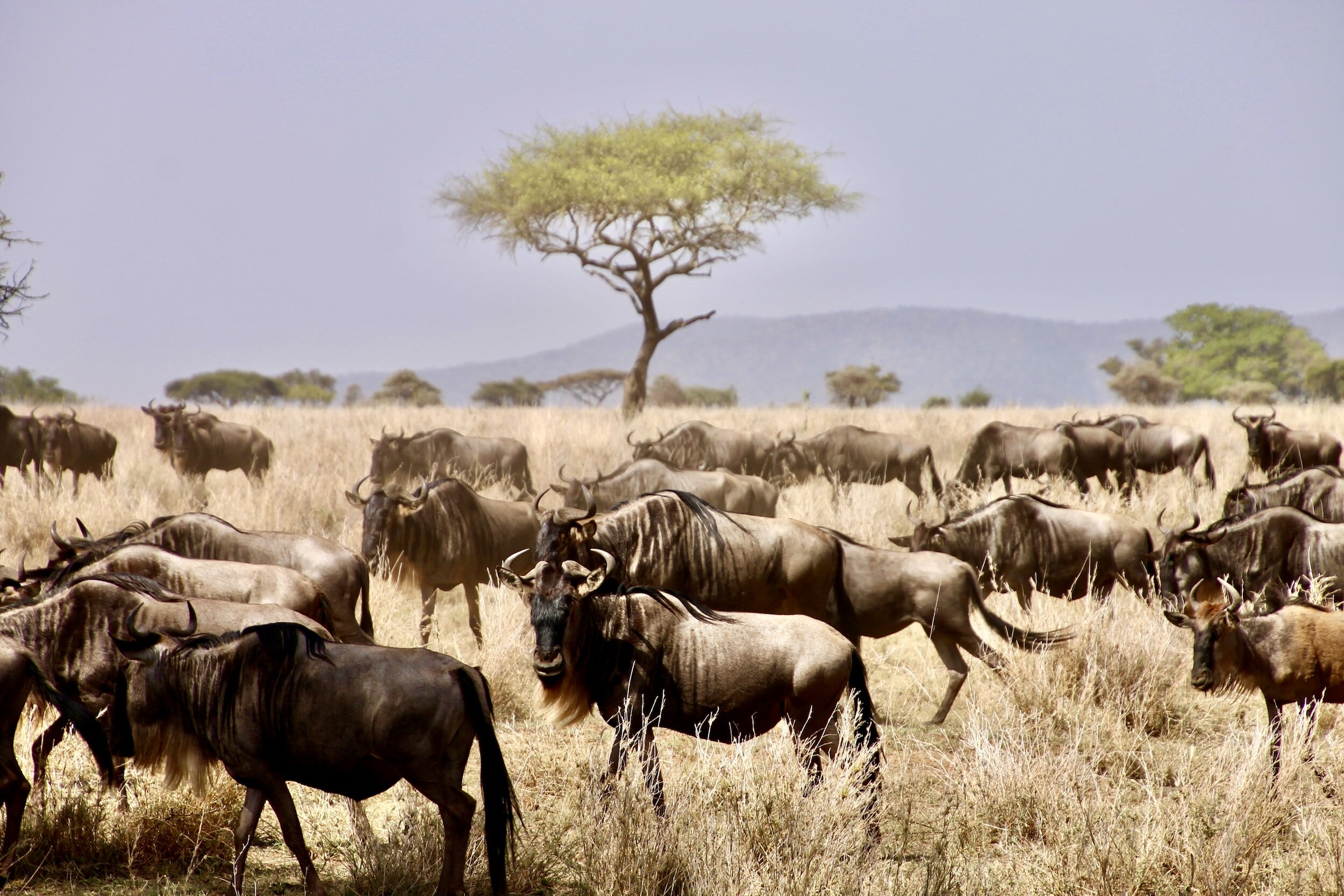
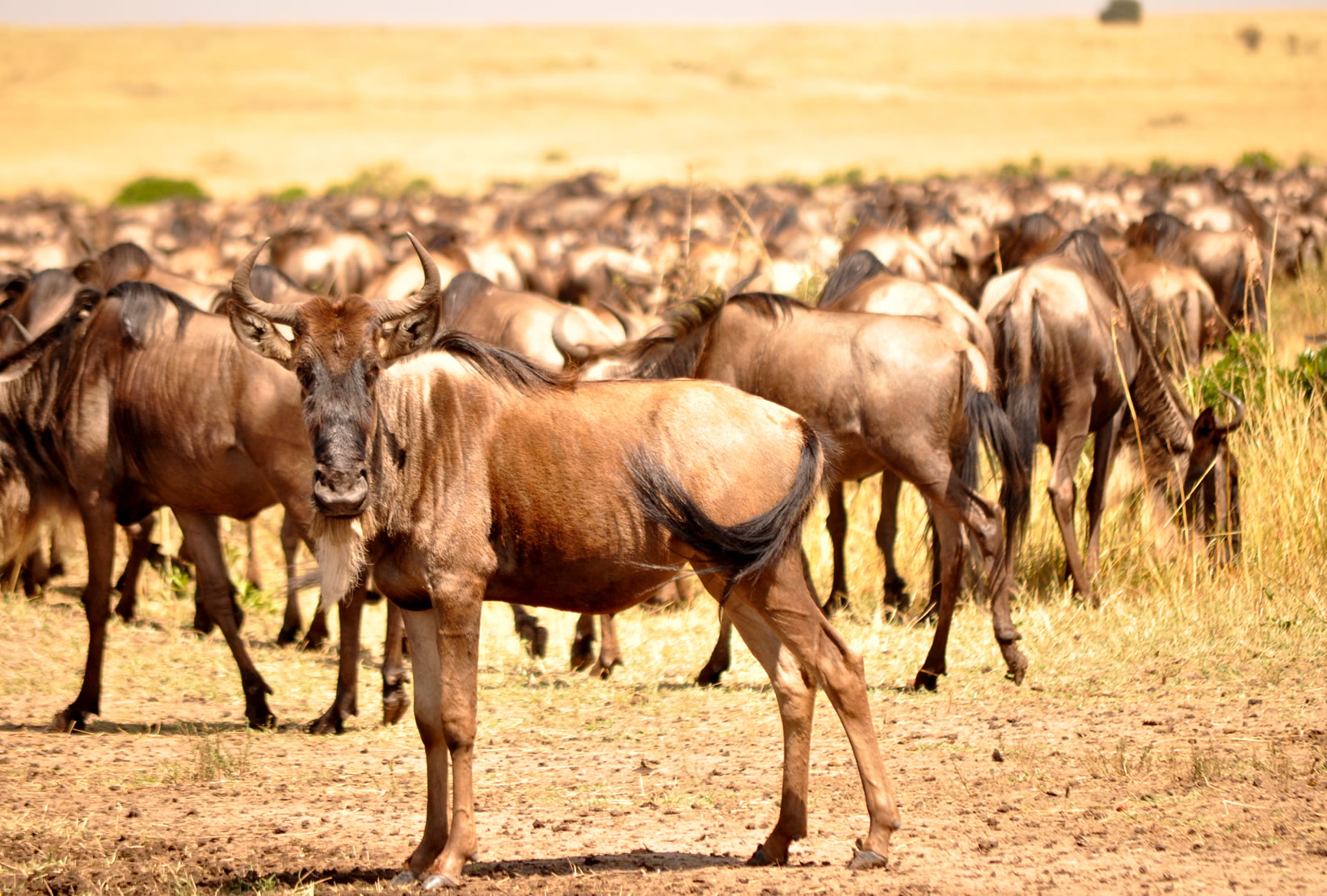
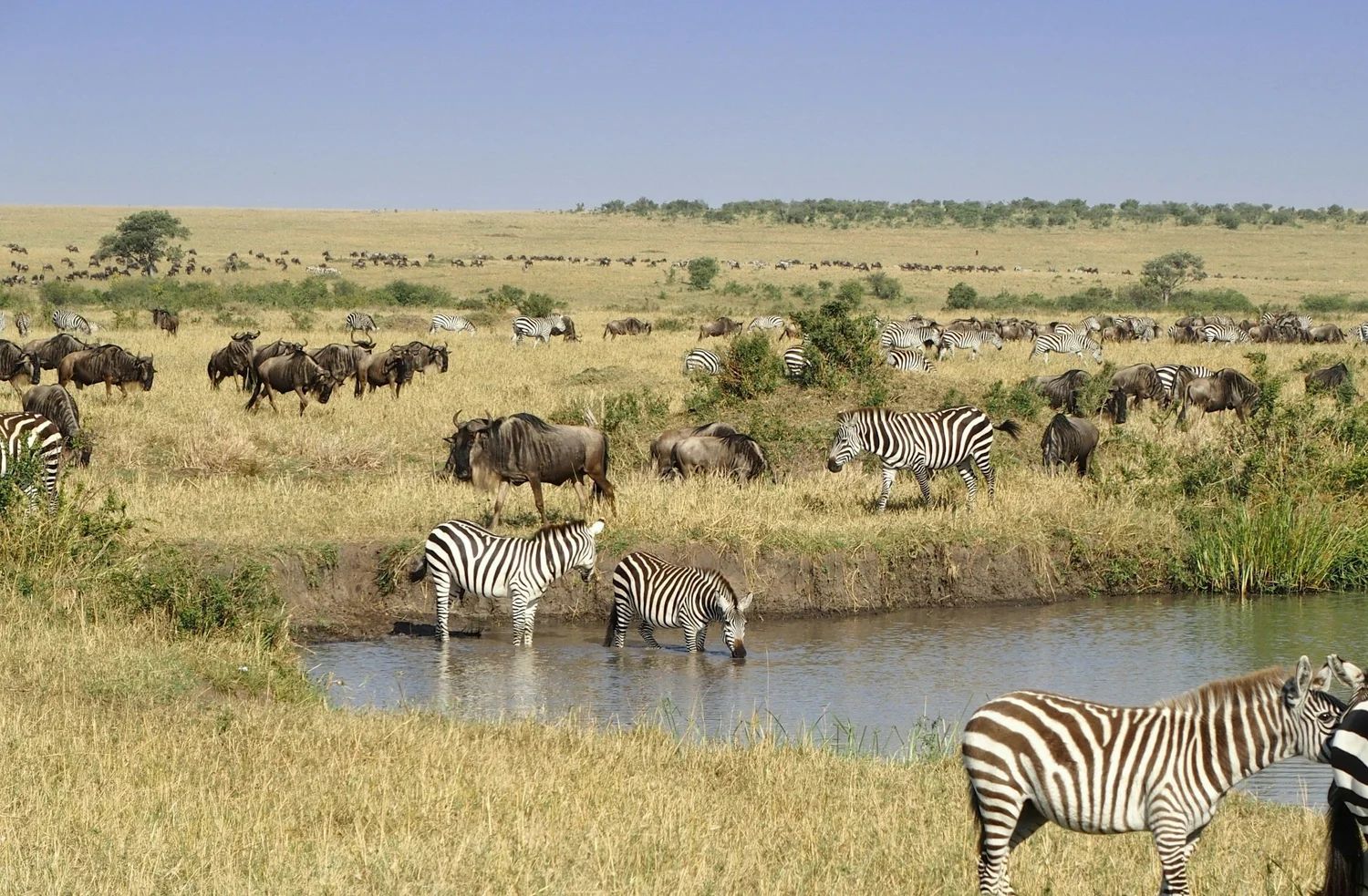
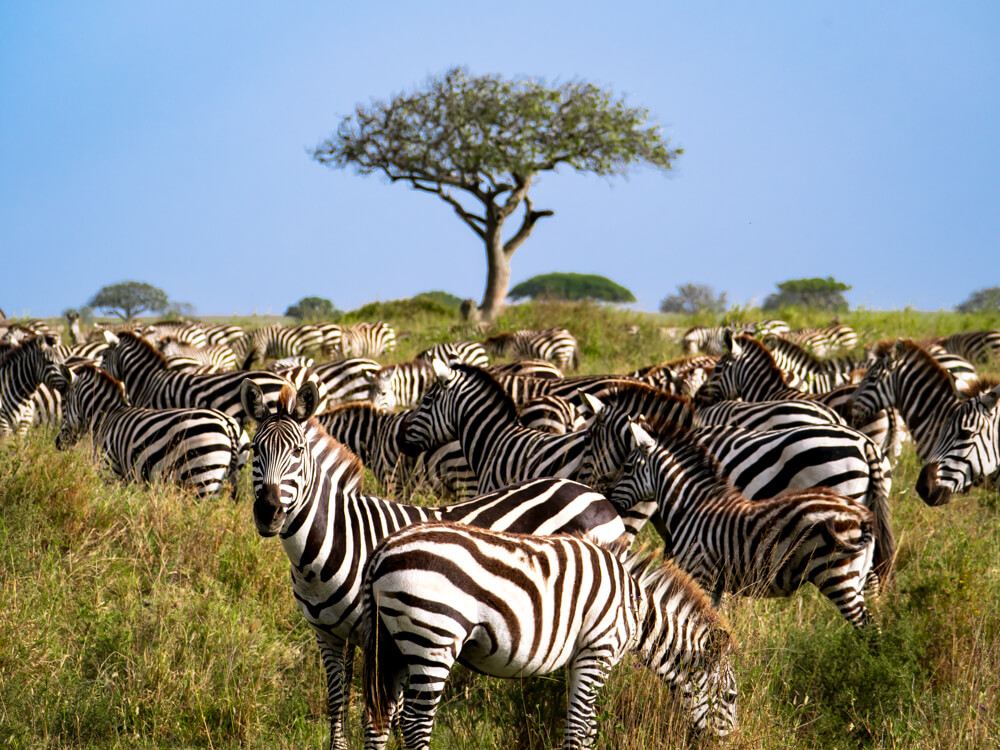
The park is also home to lions, leopards, cheetahs (less common), giraffes, zebras, wildebeest, and a variety of antelope species. Birdlife is exceptional, with hundreds of species recorded, making it a strong destination for bird enthusiasts.
What truly sets Tarangire apart is the experience of wildlife viewing. Compared to other parks, it receives fewer visitors, allowing for quieter and more natural encounters. You often have sightings to yourself, which creates a more immersive and personal safari atmosphere.
Best Time to Visit Tarangire
The best time to visit Tarangire National Park depends on what you want to experience.
The dry season, from June to October, is the prime wildlife viewing period. Animals concentrate around the Tarangire River, making sightings easier and more frequent. This is when the park feels most alive with activity.
The wet season, from November to May, transforms the park into a lush, green landscape. Wildlife disperses, but the scenery becomes incredibly beautiful, and birdlife is at its peak. This period also offers fewer crowds and a more peaceful experience.
Both seasons offer value, but in different ways—one focused on wildlife density, the other on scenery and tranquility.
Safari Experience and Activities
Game drives are the main way to explore Tarangire National Park, typically conducted in the early morning and late afternoon when wildlife is most active. The pace here is slower and more relaxed compared to busier parks, allowing for longer and more meaningful sightings.
Walking safaris are available in certain areas, offering a completely different perspective. These guided experiences focus on the smaller details of the ecosystem, such as tracks, plants, and animal behavior that are often missed during drives.
The overall safari experience in Tarangire is defined by balance—active wildlife viewing combined with moments of stillness and connection to the landscape.
Tarangire in the Northern Circuit
Tarangire National Park is a key part of Tanzania’s northern safari circuit, often combined with Serengeti National Park and Ngorongoro Crater.
It works particularly well as a starting point for a safari, offering a quieter introduction before moving on to more famous destinations. The contrast between Tarangire’s baobab landscapes and the open plains of the Serengeti adds depth to the overall itinerary.
Including Tarangire ensures a more complete and varied safari experience.
Accommodation and Safari Style
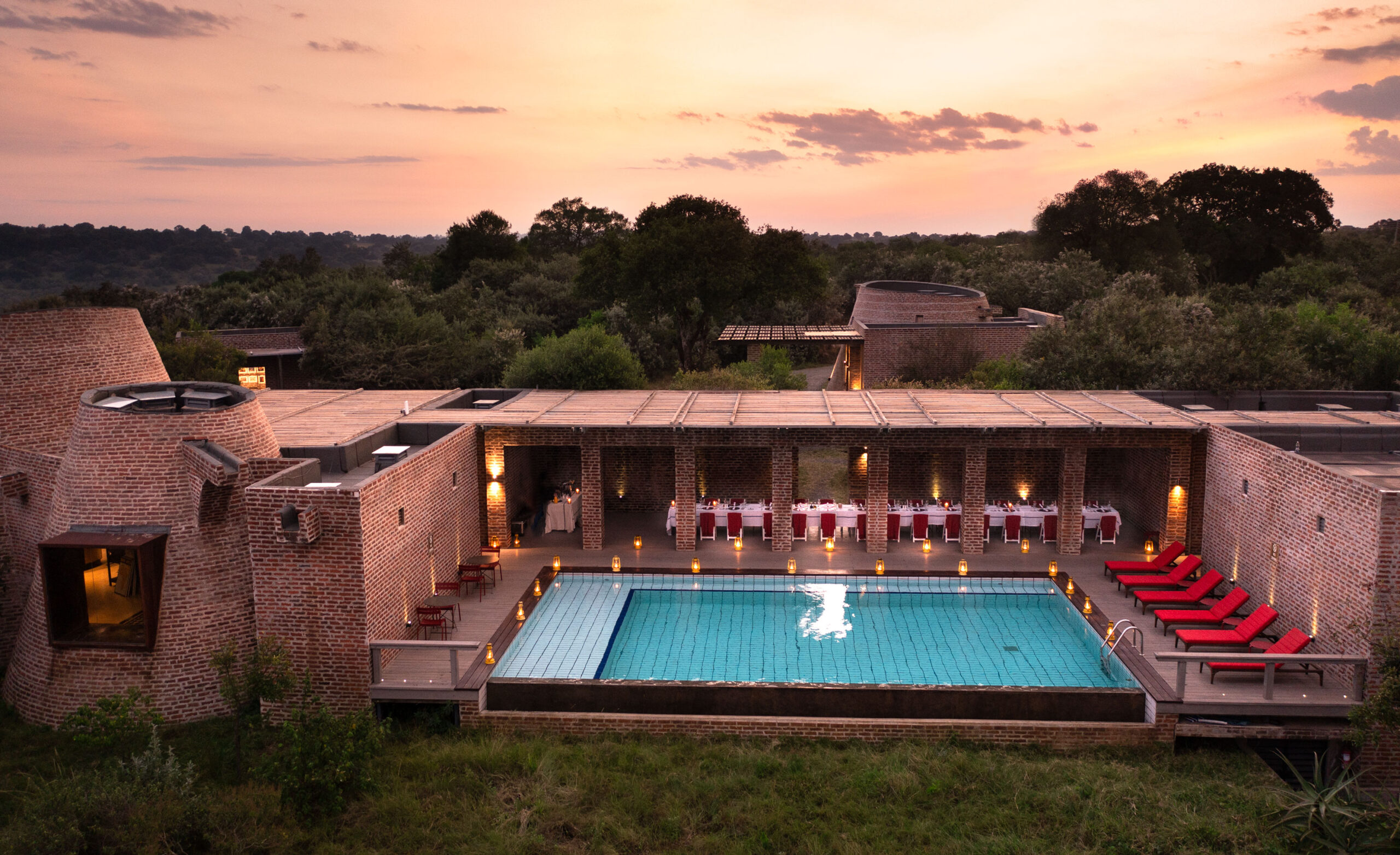
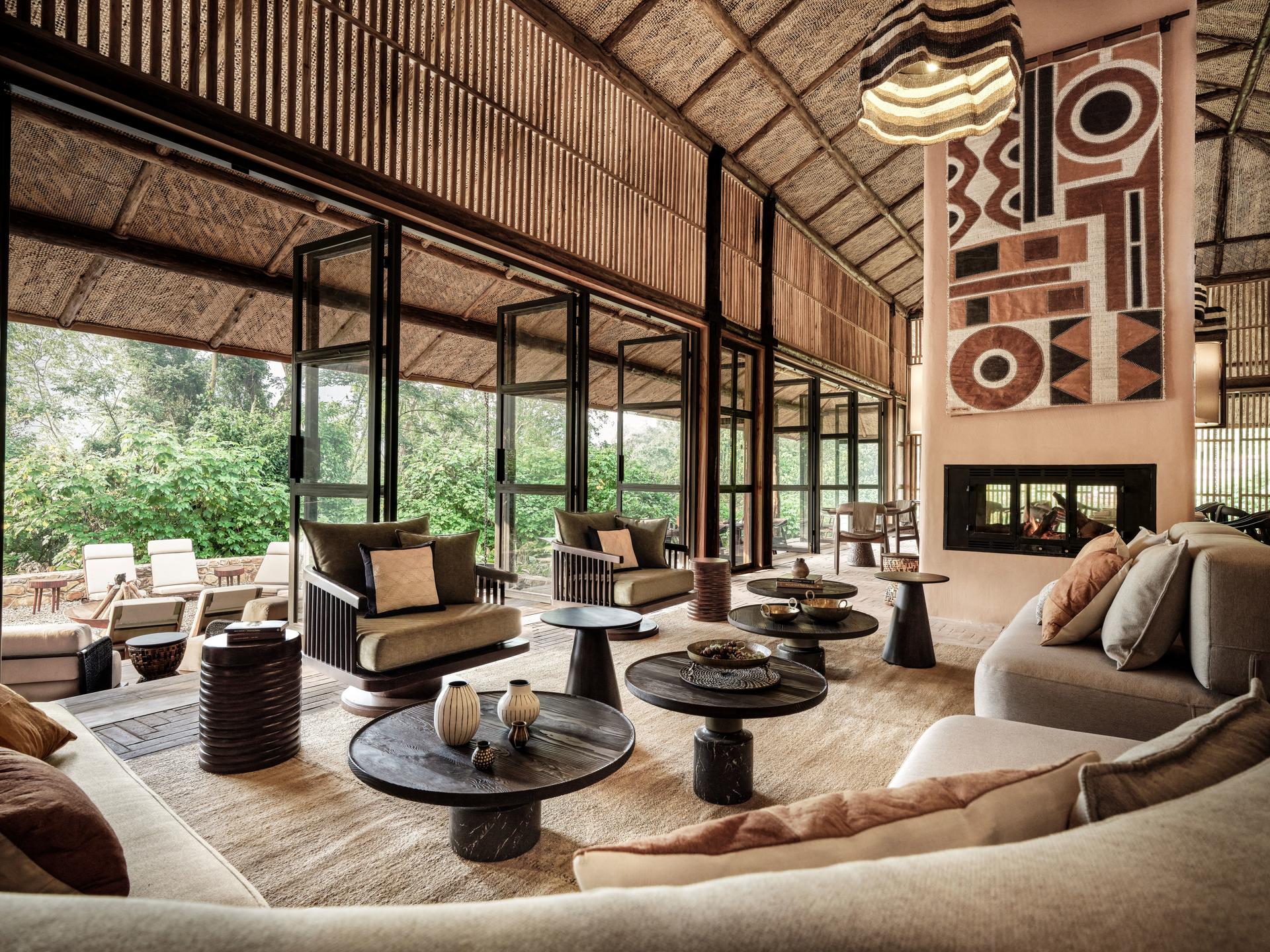
Accommodation in Tarangire ranges from luxury lodges to mid-range tented camps and more simple options. Many are designed to blend into the environment, offering views over the savannah or river while maintaining comfort.
Staying inside or near the park allows for early access to wildlife and a more immersive experience. The choice of accommodation influences the overall pace and feel of your safari, whether you prefer a high-end lodge or a more traditional tented camp.
Regardless of the level of luxury, the focus remains on the natural environment and wildlife.
Why Tarangire Stands Out
What makes Tarangire National Park unique is its combination of scenery, wildlife, and space. It offers a rich safari experience without the crowds, allowing for a more relaxed and authentic connection to nature.
The seasonal changes add another layer of interest, ensuring that each visit feels different. Whether you are drawn by elephants in the dry season or the lush landscapes of the wet months, Tarangire consistently delivers.
Final Perspective
A Tarangire National Park guide is ultimately about understanding timing, location, and expectation. This is not a park of constant spectacle, but one of depth and quiet reward.
For travelers seeking a safari that feels natural, uncrowded, and visually distinctive, Tarangire remains one of the most compelling destinations in Tanzania.