Ruaha National Park: Africa’s Hidden Gem Safari Destination
Introduction to Ruaha National Park
Ruaha National Park is widely regarded as one of Africa’s last true wilderness destinations, offering a safari experience that feels raw, remote, and deeply authentic. Located in Tanzania, it is the largest national park in the country, yet it remains far less visited than the more famous northern circuit parks. This contrast between vast size and low visitor numbers is exactly what defines Ruaha—it is expansive, uncrowded, and remarkably untouched.
A Ruaha National Park safari is not about rushing from one sighting to another. Instead, it is about immersion in a landscape where wildlife encounters unfold naturally and without pressure. The park rewards patience and observation, offering a slower, more meaningful safari experience. For travelers looking to move beyond mainstream routes, Ruaha delivers a level of exclusivity and depth that is increasingly rare in Africa.
Landscape and Ecosystem
The landscape of Ruaha National Park is diverse and visually striking, combining rolling hills, rocky escarpments, open plains, and baobab-dotted valleys. This variety creates a constantly changing environment that keeps every game drive engaging. Unlike the wide, flat plains of other parks, Ruaha feels textured and layered, offering new perspectives around every corner.
At the heart of the park lies the Great Ruaha River, which becomes the focal point of wildlife activity, especially during the dry season. As water sources diminish, animals gather along the riverbanks, creating dynamic interactions between predators and prey. The contrast between dry terrain and green riverine vegetation adds depth and visual drama to the landscape.
Ruaha sits at a unique ecological crossroads where eastern and southern African ecosystems meet. This location contributes to its exceptional biodiversity, allowing species from both regions to coexist within the same environment.
Wildlife in Ruaha National Park
A Ruaha National Park safari is particularly known for its strong predator presence. The park hosts one of the largest lion populations in Africa, and sightings often reveal complex social structures and hunting behavior. Leopards are also present, typically seen in riverine areas, while cheetahs appear in more open sections of the park.
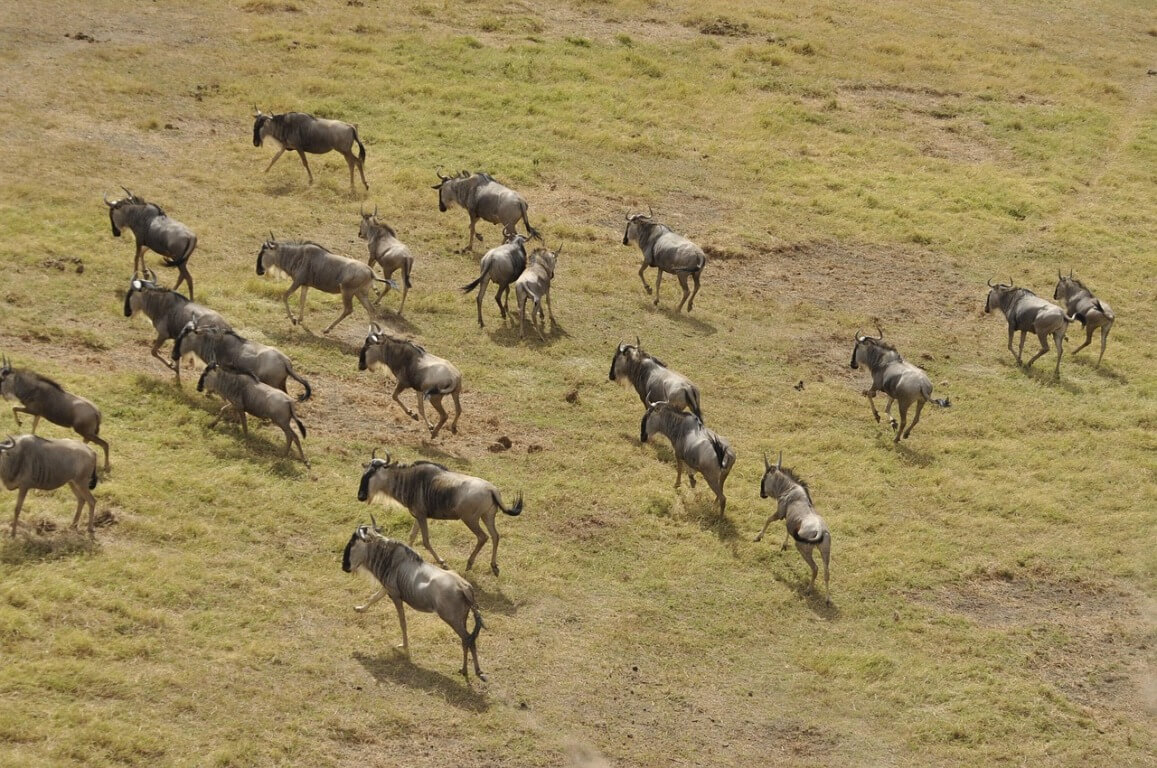
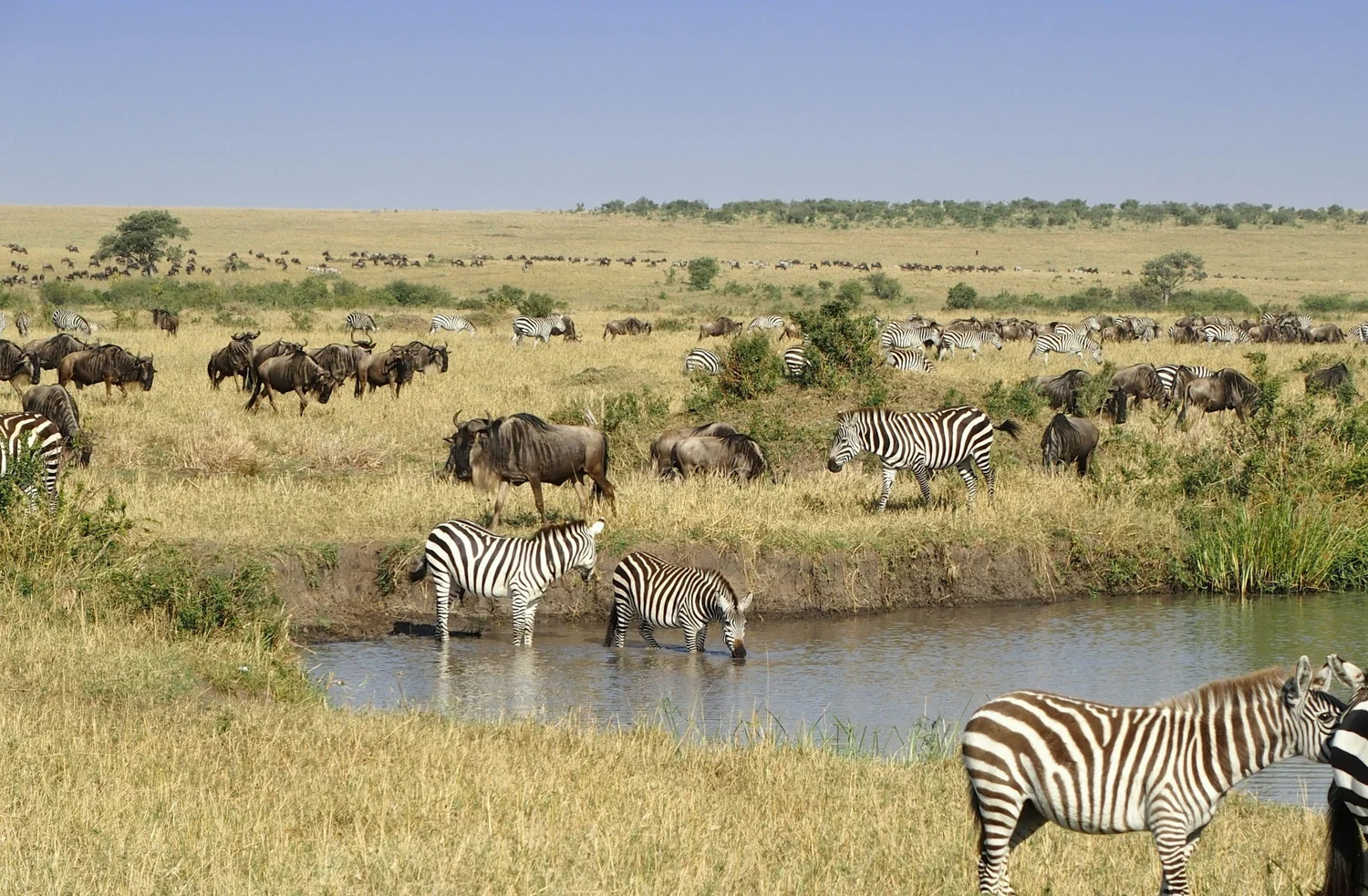
Elephants are another highlight, often seen in large herds moving across the landscape or gathering along the river. Ruaha also supports significant populations of buffalo, giraffes, zebras, and a wide range of antelope species. This abundance of prey creates ideal conditions for predators, making the park especially rewarding for those interested in carnivore activity.
Birdlife is equally impressive, with hundreds of species recorded. The combination of habitats supports both resident and migratory birds, adding depth to the overall safari experience.
What truly sets Ruaha apart is the quality of wildlife encounters. With fewer vehicles in the park, sightings feel more intimate and less rushed, allowing for extended observation and a deeper understanding of animal behavior.
The Safari Experience in Ruaha
Exploring Ruaha National Park is defined by a sense of space and solitude. Game drives often take place without encountering other vehicles for long periods, creating a feeling of exclusivity that is difficult to find elsewhere. This allows you to fully engage with the environment without distraction.
Guides play a critical role in shaping the experience, using their expertise to interpret tracks, animal movements, and subtle details of the ecosystem. Because the park is less crowded, there is greater flexibility in how sightings are approached, often allowing more time at each location.
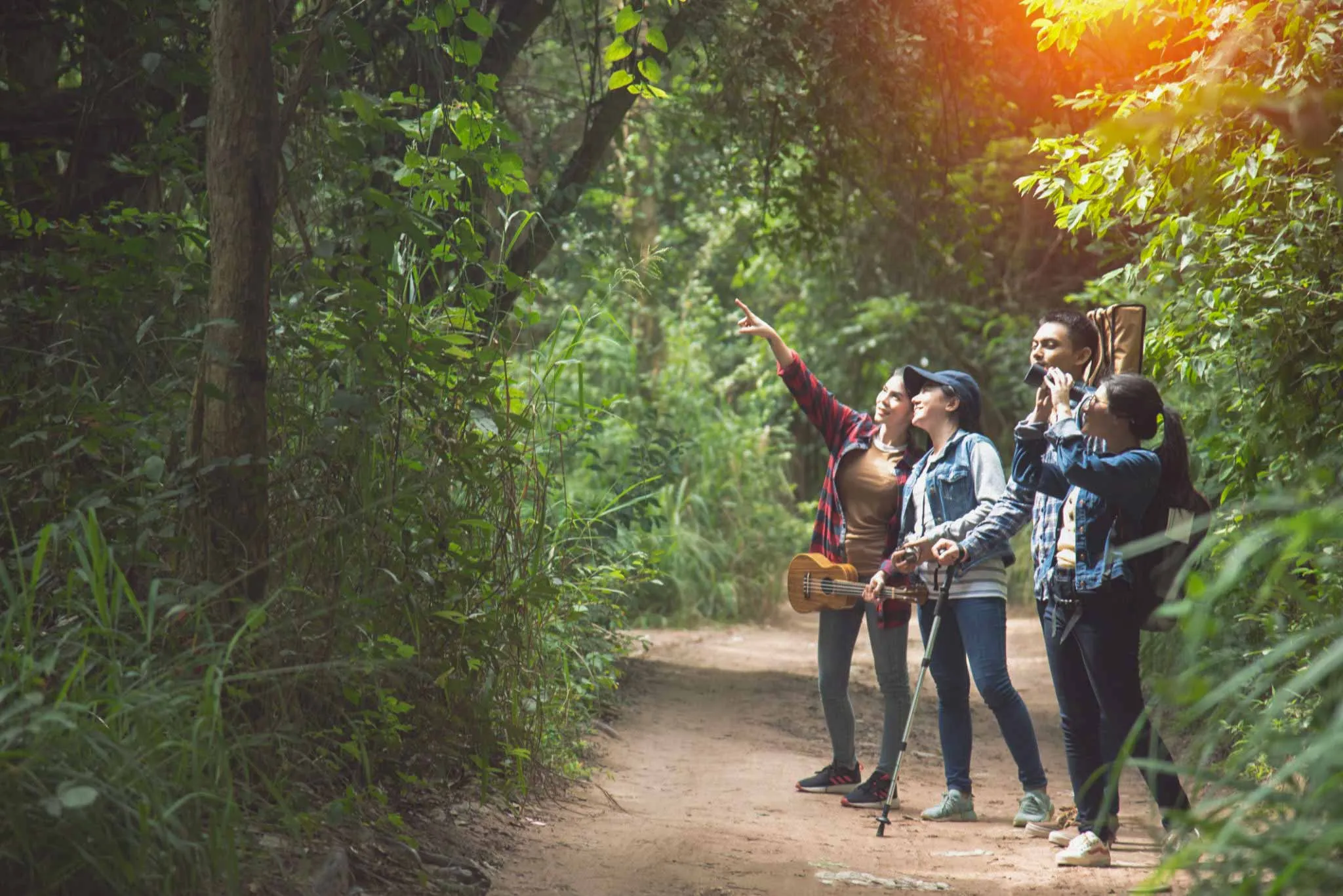
Walking safaris are also a highlight in Ruaha, offering a more intimate connection with the landscape. These guided experiences focus on the finer elements of the environment, from plant life to animal tracks, providing a deeper perspective beyond traditional game drives.
The overall pace is slower and more reflective, making Ruaha especially appealing to experienced safari travelers.
Best Time to Visit Ruaha National Park
The timing of your Ruaha National Park safari significantly influences the experience. The dry season, from June to October, is generally considered the best time to visit. During this period, wildlife concentrates around the Great Ruaha River, making sightings more frequent and easier to predict. Vegetation is also thinner, improving visibility.
The wet season, from November to April, transforms the park into a lush and green landscape. While wildlife becomes more dispersed, the scenery is at its most vibrant, and birdlife is particularly active. This season also offers fewer visitors, creating a quieter and more secluded experience.
Each season has its own appeal, and the best choice depends on whether you prioritize wildlife density or scenic beauty.
Accessibility and Remoteness
One of the defining features of Ruaha National Park is its remoteness. Unlike the northern circuit parks, which are easily accessed by road, Ruaha is typically reached by domestic flight. This naturally limits visitor numbers and helps preserve the park’s tranquil atmosphere.
The sense of isolation enhances the safari experience, creating a feeling of entering a truly wild and untouched environment. For many travelers, this remoteness is one of Ruaha’s greatest strengths.
Accommodation and Safari Style
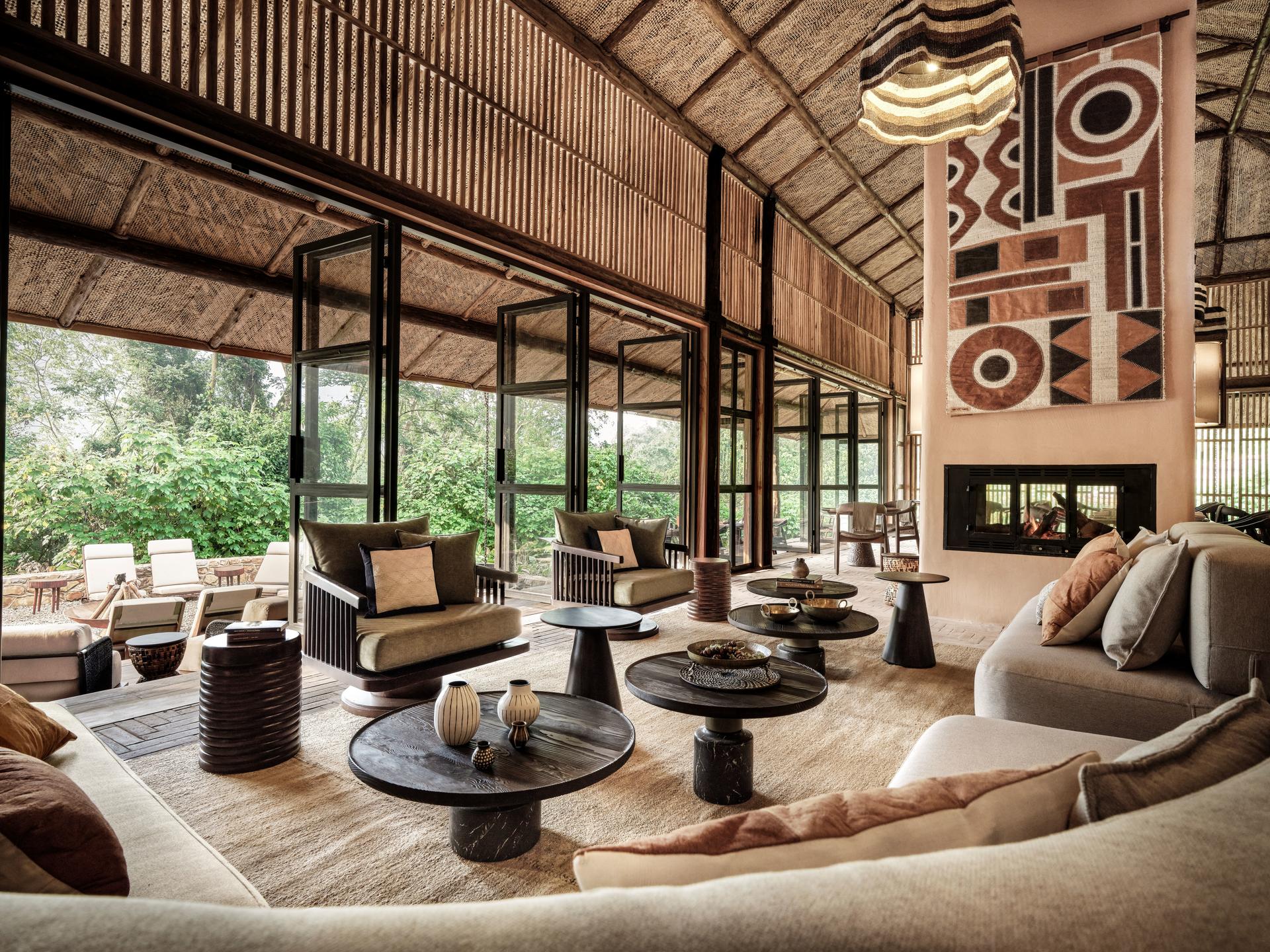
Accommodation in Ruaha ranges from high-end lodges to intimate tented camps, all designed to blend with the natural surroundings. Many are located near the river or in prime wildlife areas, providing excellent access to game viewing.
The style of accommodation tends to emphasize simplicity and connection to nature rather than excessive luxury. Even upscale properties maintain a sense of understated elegance, ensuring that the landscape remains the focus.
Staying within the park allows for early morning and late afternoon activities, maximizing wildlife viewing opportunities.
Ruaha vs Northern Circuit Safaris
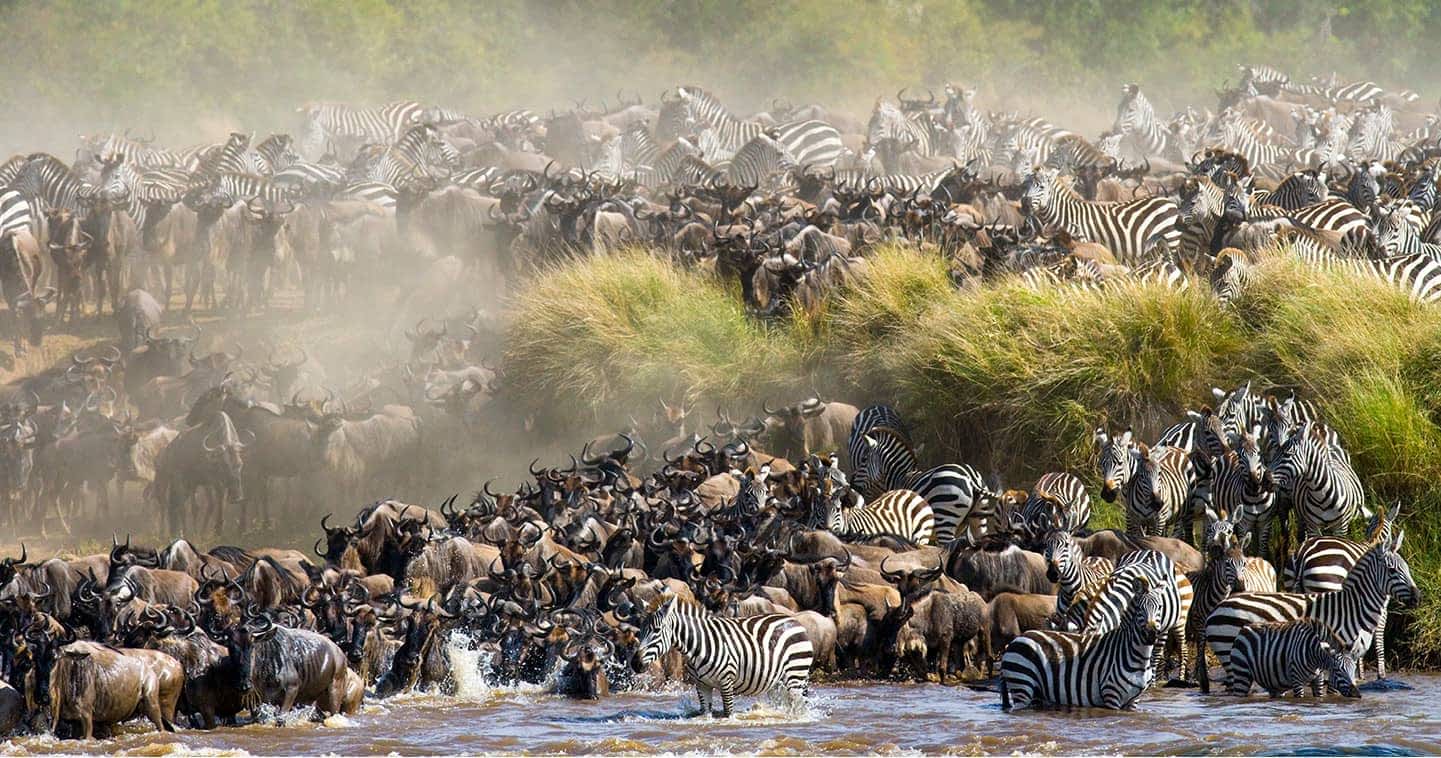
Comparing a Ruaha National Park safari with the northern circuit highlights the difference in experience. Parks like Serengeti National Park are known for large-scale wildlife events and accessibility, while Ruaha offers a more secluded and immersive environment.
In Ruaha, the emphasis is on exploration and depth rather than volume of sightings. The absence of crowds allows for a more personal connection with the environment, making each encounter feel unique.
Both options offer exceptional experiences, but Ruaha is particularly suited to travelers seeking something more exclusive and less commercial.
Why Ruaha is Africa’s Hidden Gem
Ruaha National Park earns its reputation as a hidden gem through its ability to deliver exceptional wildlife experiences without the pressure of mass tourism. Its size, diversity, and relative isolation create a safari environment that feels genuine and unfiltered.
The park’s appeal lies in its authenticity. Wildlife encounters are not staged or rushed; they unfold naturally, creating moments that feel personal and memorable.
For those willing to venture beyond the well-known safari routes, Ruaha offers a level of richness and depth that is truly special.
Final Perspective
A Ruaha National Park safari is about embracing a different pace—one that values space, patience, and genuine connection with the natural world. It is a destination that rewards curiosity and offers experiences that feel both rare and meaningful.
For travelers seeking a safari that combines wilderness, wildlife, and solitude, Ruaha stands as one of Africa’s most compelling and underrated destinations.