Great Migration on a Budget: Top Value Safari Camps
Understanding How to Experience the Great Migration Without Overspending
A Great Migration budget safari is not about cutting corners on the experience, but about making smart decisions that prioritize wildlife access over luxury extras. The migration itself is free-moving and unpredictable, driven entirely by rainfall and grazing conditions, which means that the real value of any safari lies in location, timing, and guiding rather than expensive amenities. Many travelers mistakenly assume that witnessing the migration requires staying in high-end lodges, yet some of the most rewarding experiences come from well-positioned camps that focus on proximity to the herds and flexibility in movement.
Budget-conscious safaris work best when you understand that comfort can be simplified without affecting the quality of wildlife viewing. A well-located tented camp with experienced guides can deliver an experience that rivals far more expensive options. The key is to invest where it matters—being in the right place at the right time—while reducing spending on non-essential luxuries such as elaborate facilities or private exclusivity.
Best Time to Plan a Great Migration Budget Safari
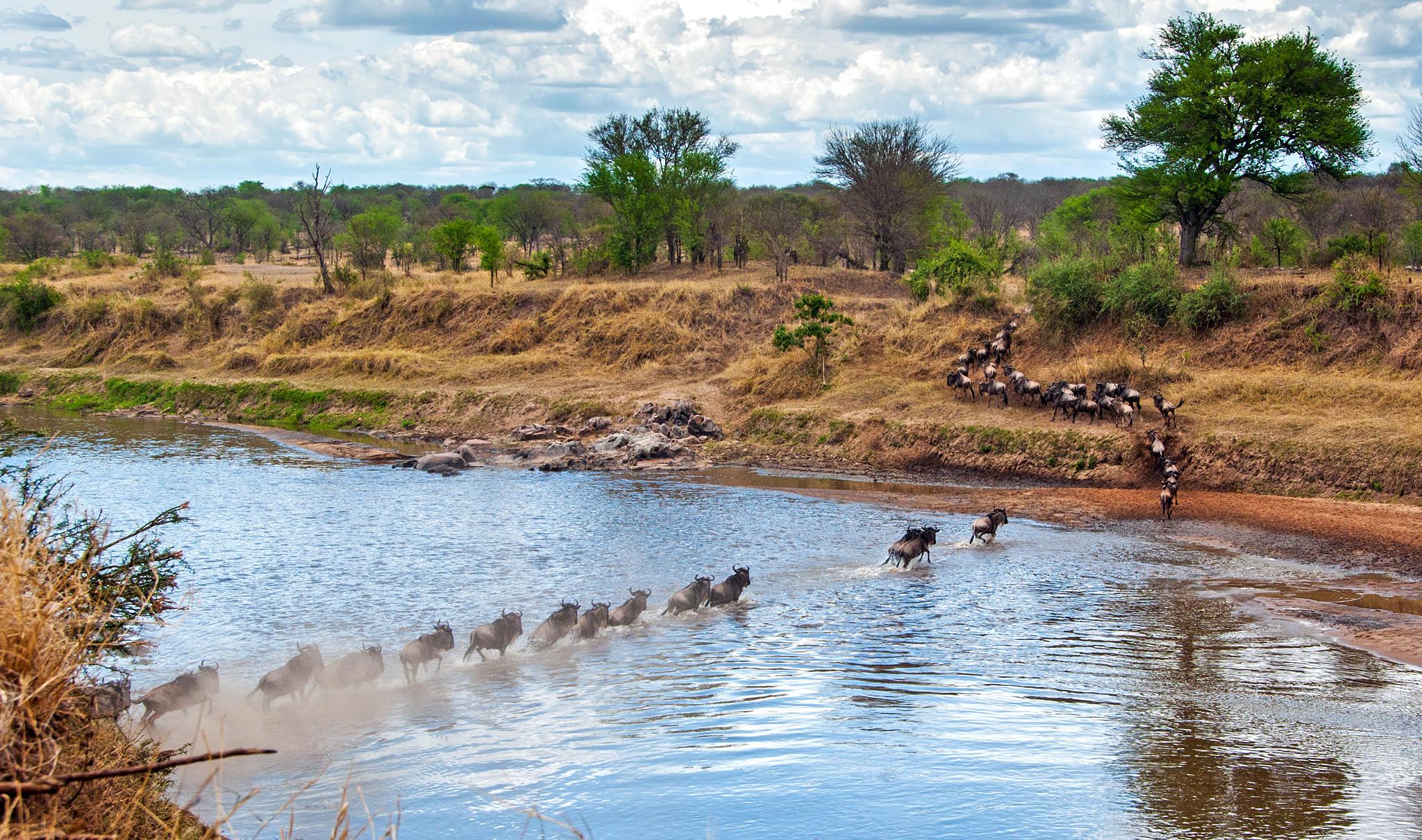
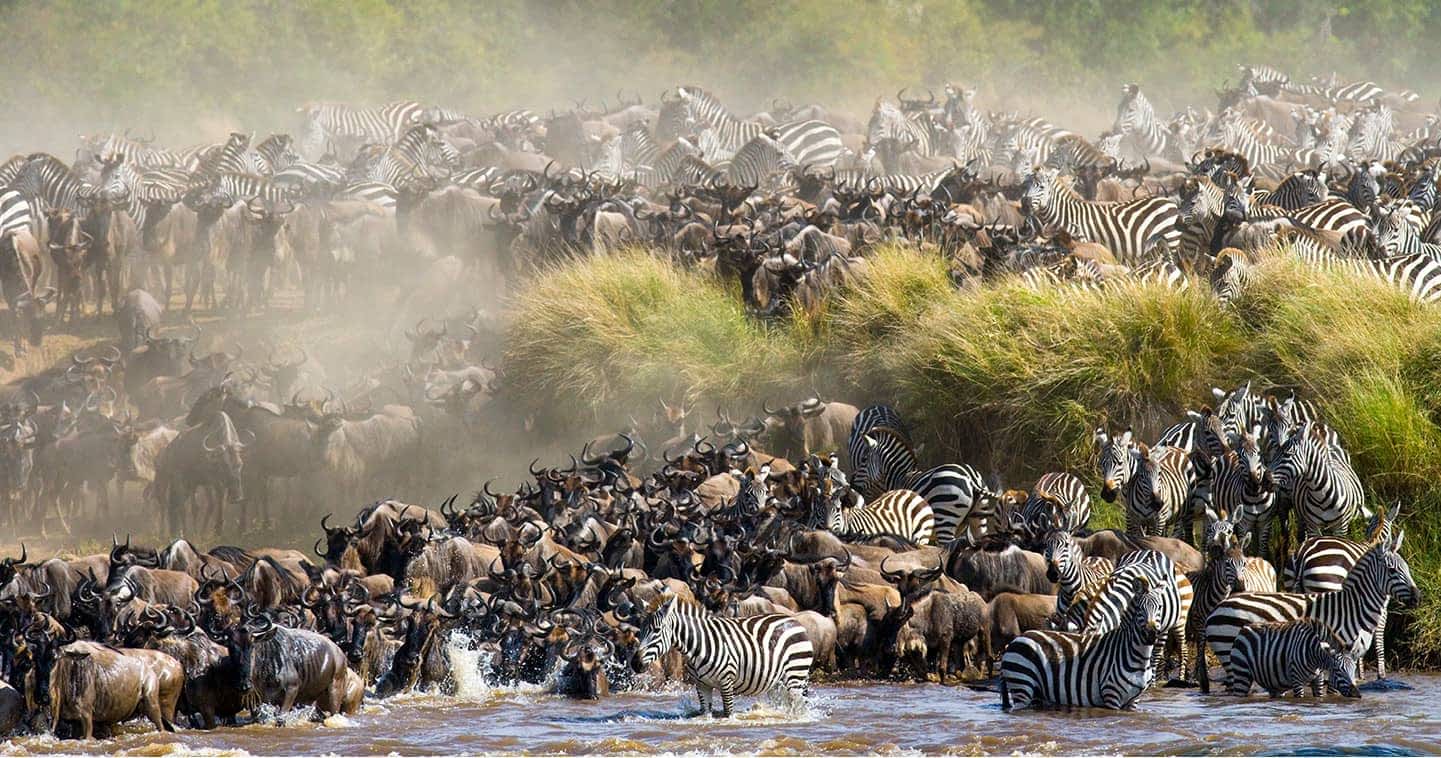
Timing plays a critical role in determining how much you spend on a migration safari. Peak months, especially between July and September when river crossings dominate the northern regions, attract the highest demand and therefore the highest prices. Camps in prime river locations often operate at premium rates during this period due to global interest in witnessing crossings.
For better value, traveling during the shoulder seasons offers a significant advantage. Late May and June, when herds begin moving north, provide strong wildlife activity without peak-season pricing. Similarly, November offers a quieter return phase with reduced rates and fewer crowds. These periods still deliver excellent migration viewing but at a fraction of the cost.
The calving season from January to March is one of the most underrated options for a Great Migration budget safari. During this time, the southern plains host massive concentrations of wildlife, including newborn calves and high predator activity. Prices are generally lower than during river crossing season, yet the experience remains intense and visually rewarding.
Strategic Locations for Budget-Friendly Viewing
Location is the most important factor in any migration safari, and it becomes even more critical when working within a budget. Instead of targeting the most expensive riverfront camps, consider staying in areas that still provide access to migration routes without the premium pricing. Camps positioned slightly away from high-demand hotspots can offer similar wildlife experiences while maintaining more affordable rates.
The southern plains during calving season are particularly cost-effective because herds remain in the area for an extended period, reducing the need for constant movement. Central regions during migration transitions also provide good value, as herds pass through gradually, offering consistent viewing opportunities.
In northern regions, choosing camps that are within reasonable driving distance of river crossings rather than directly on the riverbank can significantly reduce costs. While you may not be at the exact crossing point at all times, skilled guides can still position you effectively when herds begin to gather.
Mobile Camps: The Best Value for Following the Migration
Mobile camps are one of the strongest options for a Great Migration budget safari because they are designed to follow the movement of the herds. Unlike permanent lodges, these camps relocate throughout the year to stay close to active migration zones. This reduces the need for long game drives and increases the chances of encountering key moments such as herd movement or predator interactions.
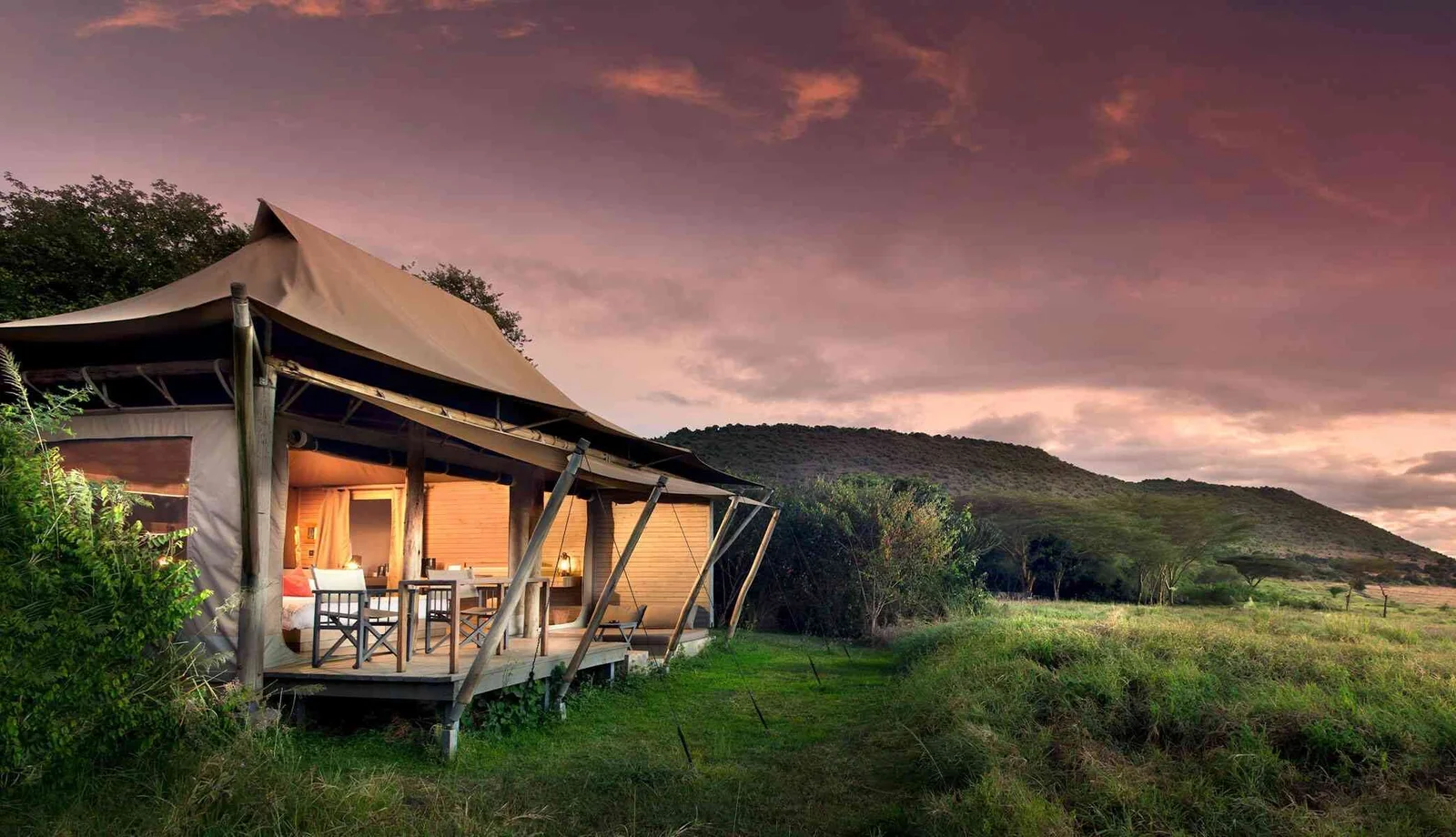
Many mobile camps operate at different price tiers, with some offering simplified setups that focus on comfort and functionality rather than luxury. These camps typically provide spacious tents, basic en-suite facilities, and guided game drives, all while maintaining close proximity to the migration. The absence of large infrastructure keeps costs lower while enhancing the sense of immersion in the wild.
For travelers prioritizing value, mobile camps offer a balance between affordability and strategic positioning. They allow you to stay close to the action without paying premium rates for permanent structures.
Shared Safaris and Cost-Saving Options
Another effective way to reduce costs is by choosing shared safari experiences. Private safaris can be significantly more expensive due to exclusive use of vehicles and guides. Shared safaris distribute these costs among multiple guests, making them a practical choice for budget travelers.
Group safaris are often structured around migration patterns, ensuring that key regions are covered efficiently. While they may offer less flexibility than private arrangements, they still provide access to the same wildlife areas and experiences. For solo travelers or couples, this approach can make a Great Migration budget safari far more accessible without sacrificing quality.
In addition to shared vehicles, some camps offer scheduled game drives rather than fully customized itineraries, further reducing operational costs. This structured approach still allows for meaningful wildlife encounters while keeping overall expenses manageable.
What to Expect from Budget Safari Camps
Budget camps in the migration ecosystem are designed to provide essential comfort while keeping the focus on wildlife experience. Accommodation typically consists of canvas tents with simple but functional amenities, including beds, private bathrooms, and dining areas. While they may lack high-end features such as pools or expansive lounges, they still offer a comfortable base for exploring the surrounding landscape.
The true value of these camps lies in their guiding and location. Experienced guides play a crucial role in tracking herd movement, understanding animal behavior, and positioning guests for the best viewing opportunities. This expertise often has a greater impact on your experience than the physical features of the camp itself.
Meals and service are generally straightforward but well-prepared, ensuring that guests are well taken care of without the added cost of luxury dining experiences. The emphasis remains on practicality, comfort, and connection to the environment.
Balancing Cost, Timing, and Experience
A successful Great Migration budget safari depends on finding the right balance between cost, timing, and access to wildlife. Reducing expenses in areas that do not directly affect your safari—such as luxury amenities or private exclusivity—allows you to allocate resources toward better locations and longer stays.
Spending more time in a single well-positioned camp can often provide better results than moving frequently between regions. This approach reduces transport costs and increases the likelihood of witnessing meaningful wildlife interactions. Patience also plays a role, as the most memorable moments often occur unexpectedly.
Understanding the migration as a continuous cycle rather than a single event helps set realistic expectations. Even without witnessing dramatic river crossings, the overall experience of being surrounded by large herds and active ecosystems remains powerful and rewarding.
Making the Most of Your Budget Safari
Maximizing value during a migration safari requires flexibility and a willingness to adapt to natural conditions. Being open to different regions, travel dates, and camp styles allows you to take advantage of better rates and availability. It also increases your chances of aligning with the migration’s movement rather than chasing a specific event.
Ultimately, a Great Migration budget safari is about focusing on what truly matters—the wildlife, the landscape, and the dynamic interactions that define this extraordinary natural phenomenon. With the right approach, it is entirely possible to experience the migration in a way that is both affordable and deeply immersive.