How to Get a Gorilla Trekking Permit in Rwanda
Understanding the Rwanda Gorilla Trekking Permit
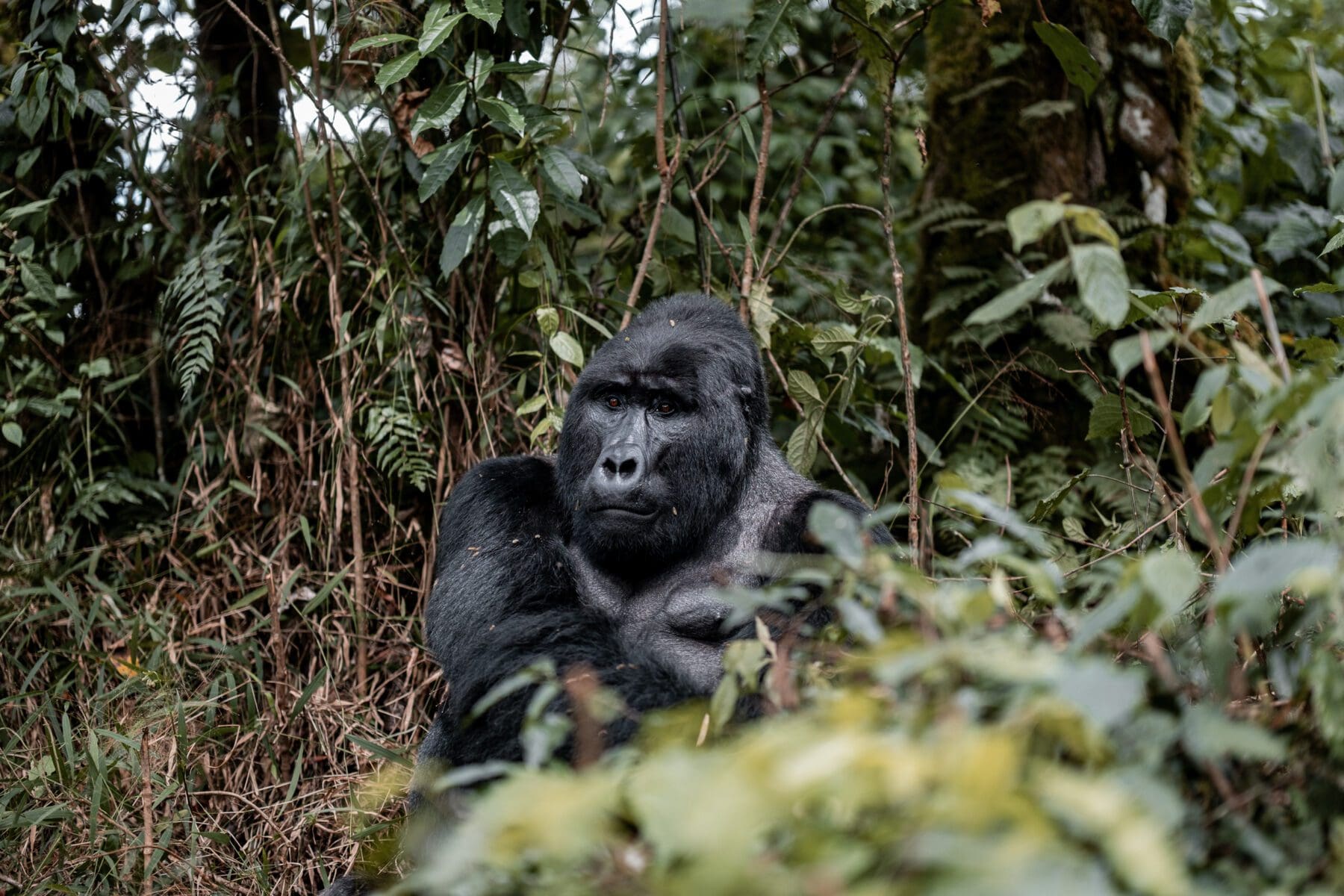
A Rwanda gorilla trekking permit is an official authorization required for anyone who wants to visit mountain gorillas in their natural habitat. In Rwanda, all trekking takes place inside Volcanoes National Park, where a limited number of habituated gorilla families are available for daily visits. Because conservation is a priority and gorilla interactions are strictly controlled, permits are limited and highly regulated.
Each permit allows you to join a guided trek and spend one hour observing a gorilla family once located. The number of visitors per group is capped to minimize stress on the animals and preserve their natural behavior. This exclusivity is what makes securing a permit essential well in advance, especially during peak travel seasons.
Where to Get a Rwanda Gorilla Trekking Permit
Gorilla trekking permits in Rwanda are issued by the Rwanda Development Board, which manages tourism and conservation activities within national parks. There are two main ways to obtain a permit.
The first option is to book directly through the Rwanda Development Board. This involves checking availability for your preferred dates and making a reservation, followed by payment to secure the permit. This approach gives you direct control over your booking but requires handling logistics such as accommodation and transport separately.
The second and more commonly used option is to book through a safari operator. In this case, the operator handles the permit purchase on your behalf as part of a complete safari package. This simplifies the process, as permits, accommodation, and transport are arranged together, ensuring that everything aligns with your trekking date.
Cost of a Rwanda Gorilla Trekking Permit
The cost of a Rwanda gorilla trekking permit is among the highest in Africa, reflecting the country’s premium tourism strategy and strong conservation focus. The permit fee covers park entry, guide services, ranger support, and the one-hour gorilla encounter.
While the price is significant, it contributes directly to gorilla conservation efforts and community development programs. A portion of the revenue is reinvested into protecting the gorillas and supporting local communities living near the park. This makes the permit not just an access fee, but a contribution to long-term sustainability.
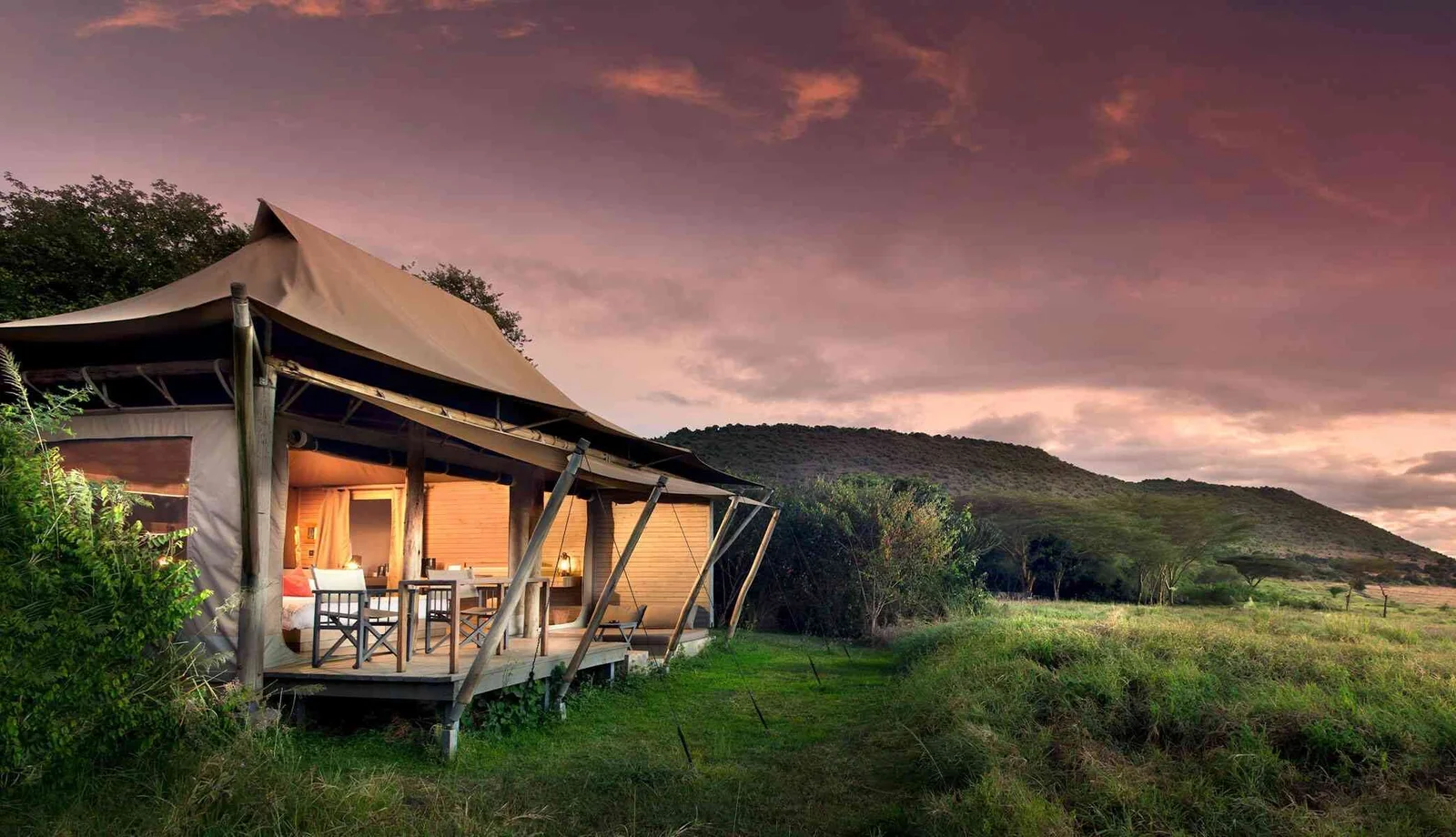
It is important to note that the permit cost does not include accommodation, transport, or additional safari activities, which must be arranged separately or as part of a package.
When to Book Your Permit
Timing is critical when securing a Rwanda gorilla trekking permit. Due to limited availability, permits can sell out months in advance, particularly during peak travel seasons. The busiest periods typically coincide with the dry seasons, when trekking conditions are more favorable and demand is highest.
Booking at least three to six months in advance is recommended to secure your preferred dates. For high-demand months, even earlier booking may be necessary. Last-minute permits are occasionally available, but relying on this option carries a high risk of disappointment.
Flexibility with travel dates can improve your chances of securing a permit, especially if you are open to trekking during shoulder or low seasons when demand is lower.
The Booking Process Step by Step
The process of obtaining a Rwanda gorilla trekking permit begins with selecting your travel dates and confirming availability. Once availability is confirmed, you proceed with reservation and payment. Permits are only secured after full payment is made, meaning that holding a tentative booking does not guarantee your spot.
After payment, you receive confirmation details that include your trekking date and assigned location within Volcanoes National Park. On the day of the trek, you will present your permit and identification at the park headquarters before being assigned to a gorilla group.
The assignment of gorilla families is done by park authorities based on factors such as fitness level and group size. This ensures that visitors are matched with appropriate trekking conditions.
What to Expect on Trekking Day
On the day of your trek, you will arrive early at the park headquarters for a briefing. Rangers provide detailed instructions on safety, behavior, and what to expect during the trek. Groups are then organized and assigned to specific gorilla families.
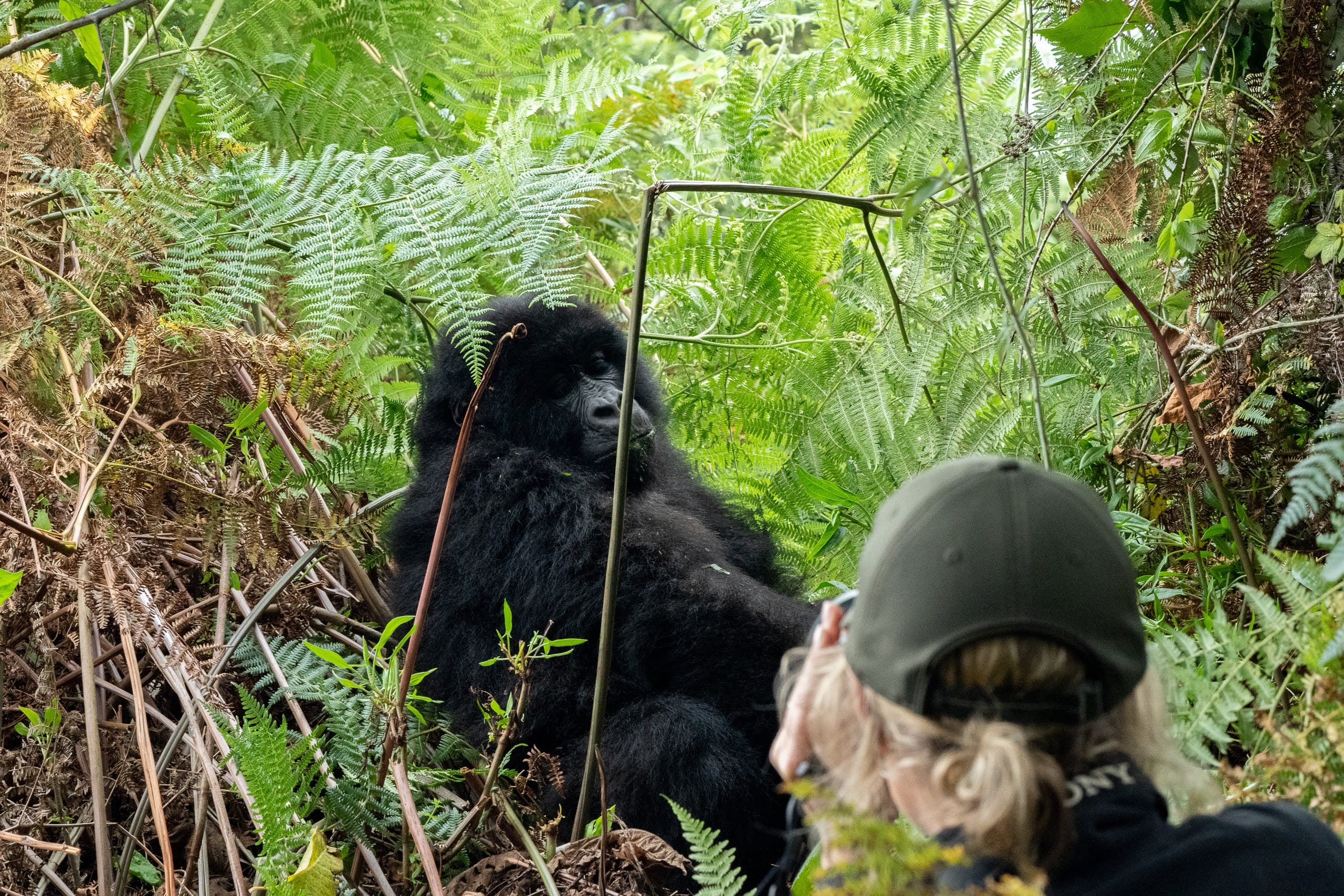
The trek itself can vary in duration, ranging from a short walk to several hours depending on the location of the gorillas. The terrain includes forest paths, slopes, and occasionally dense vegetation, requiring a moderate level of fitness. Once the gorillas are located, you are allowed one hour to observe and photograph them while maintaining a safe distance.
The experience is guided by trained rangers who ensure both visitor safety and minimal disturbance to the gorillas. This structured approach maintains the balance between tourism and conservation.
Tips for Securing Your Permit Successfully
Securing a Rwanda gorilla trekking permit requires planning and attention to detail. Booking early is the most important factor, as availability is limited and demand is high. Choosing the right time of year can also influence both availability and overall experience.
Working with an experienced safari operator can simplify the process, especially if you are unfamiliar with logistics in Rwanda. Operators can coordinate permits with accommodation and transport, ensuring a seamless itinerary.
Being flexible with your travel dates and willing to consider different trekking days can increase your chances of obtaining a permit. It is also important to prepare physically for the trek, as conditions can vary and require endurance.
Why Permits Are Limited
The limitation on gorilla trekking permits is a deliberate conservation measure. Mountain gorillas are endangered, and controlled tourism helps protect them from excessive human interaction. By restricting the number of visitors per day, authorities ensure that the gorillas’ natural behavior is preserved and that their habitat remains undisturbed.
This controlled approach also enhances the quality of the experience. Smaller groups allow for more intimate and focused encounters, making each trek more meaningful. The permit system is therefore essential not only for conservation but also for maintaining the integrity of the experience.