Top Places to Visit for an African Safari in 2027 | Best Safari Destinations in Africa
Africa is the kind of destination that can completely change the way you think about wildlife and travel. One day you may be watching hundreds of elephants gather around a waterhole, while the next you are following a family of mountain gorillas through a misty rainforest or watching lions prepare for an evening hunt.
But with so many incredible countries and national parks to choose from, deciding where to go can be difficult. The best African safari destination depends on what you want to see, the activities you enjoy, your travel style, the time of year you plan to visit and how much time you have.
For travelers planning an African safari in 2027, five destinations stand out for their combination of wildlife, scenery, experiences, accessibility and accommodation choices: Tanzania, Kenya, Uganda, Botswana and South Africa.
Here is a closer look at what makes each destination special, what you can do there, when to visit and what type of traveler each one suits best.
Tanzania – The Classic African Safari Experience
If you are looking for one destination that captures the traditional image of an African safari, Tanzania is one of the strongest choices.
A Tanzania safari combines enormous savannah landscapes, spectacular wildlife, the Great Migration and some of East Africa’s most famous protected areas. The country is particularly attractive because you can build a safari around several completely different experiences rather than visiting only one park.
Why visit Tanzania?
Tanzania is home to some of Africa’s most iconic safari destinations, including the Serengeti National Park, Ngorongoro Conservation Area and Tarangire National Park.
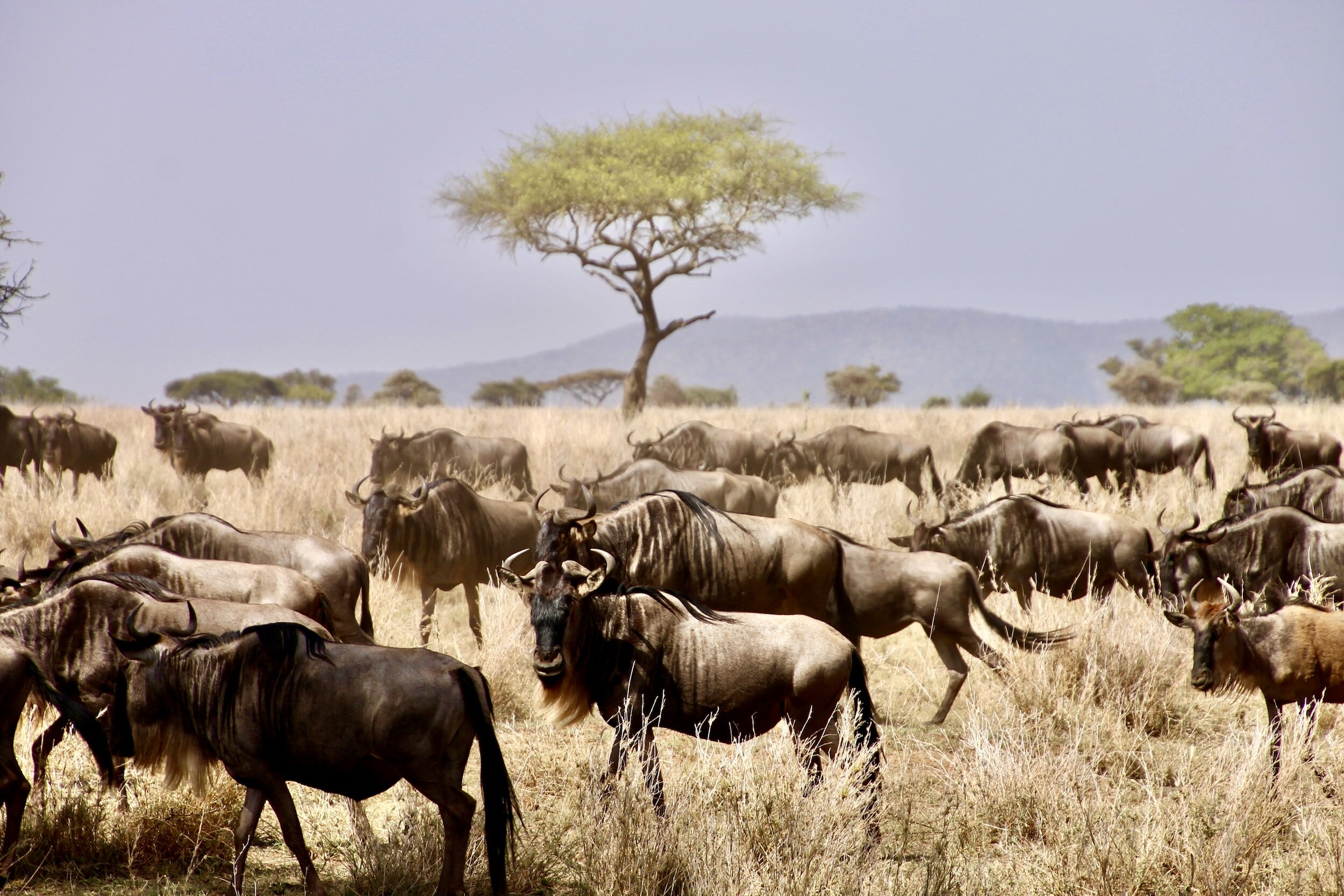
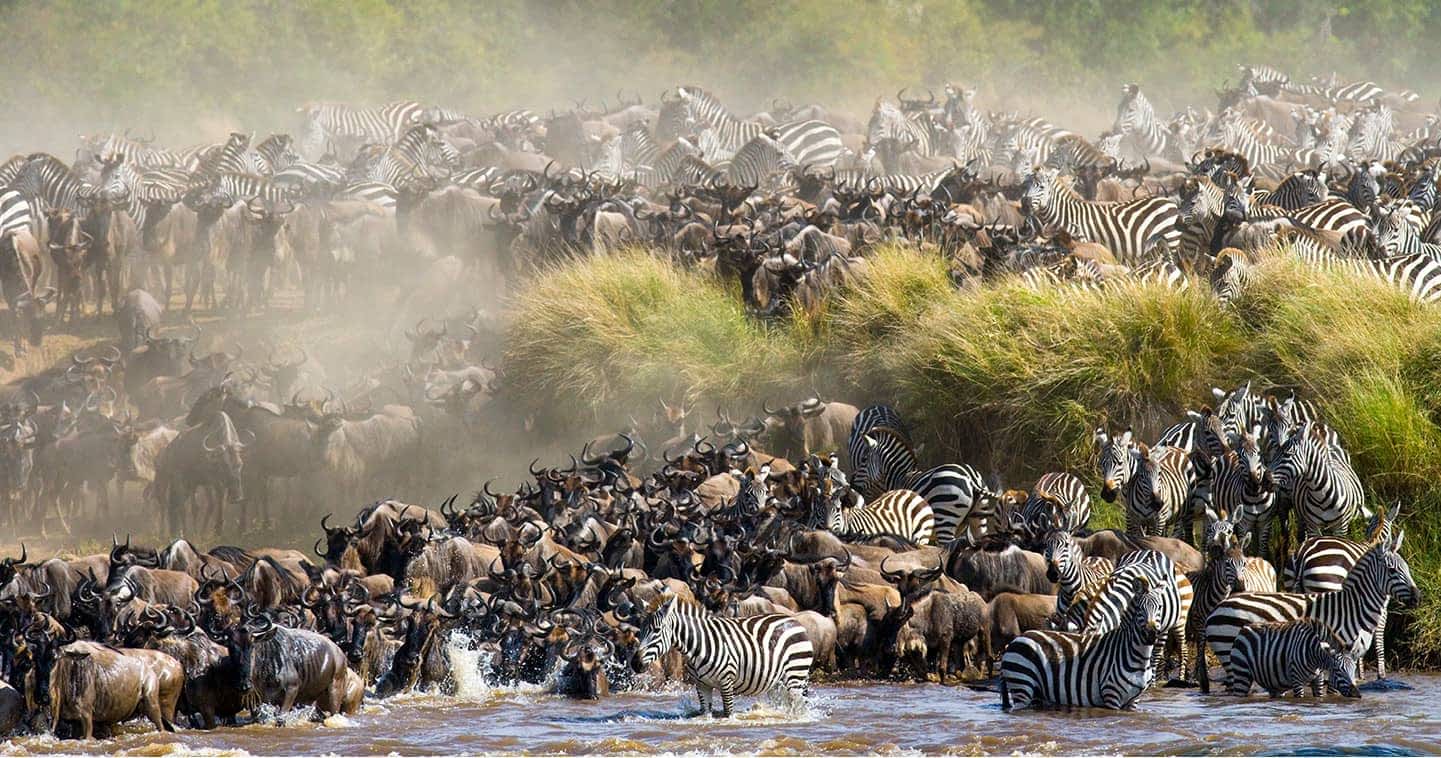
The Serengeti is famous for the Great Migration, when huge numbers of wildebeest and other grazing animals move across the ecosystem in search of fresh grass and water. However, the Serengeti is not only worth visiting during migration. Its resident wildlife makes it an excellent year-round safari destination.
Ngorongoro offers something completely different. The enormous volcanic crater provides a concentrated wildlife environment where visitors can often see lions, elephants, buffaloes, zebras, wildebeest and other species within a relatively compact area.
Tarangire adds another dimension with its dramatic baobab trees and large elephant populations.
What can you do on safari in Tanzania?
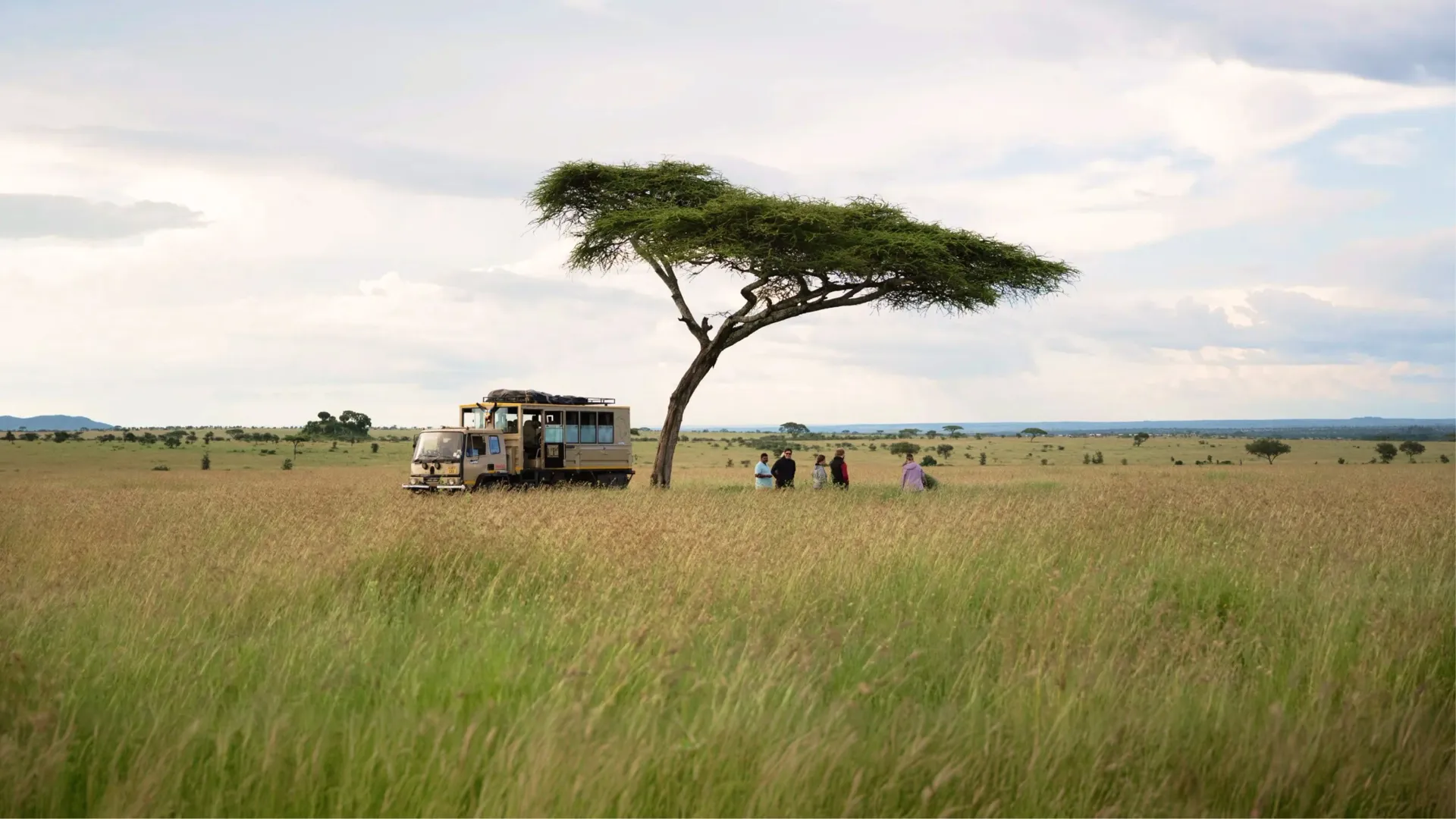
Game drives are the main activity. Early morning drives allow you to explore while predators are active and temperatures are cooler. Afternoon drives provide opportunities to watch elephants, giraffes, zebras and other animals moving through the landscape before the evening.
For an unforgettable perspective, travelers can take a hot-air balloon safari over parts of the Serengeti. Floating above the plains at sunrise gives you a completely different view of the landscape and wildlife below.
Walking experiences can also be arranged in selected areas, allowing travelers to learn about tracks, plants, insects and smaller wildlife that can easily be missed from a vehicle.
The Great Migration is another major attraction.
Rather than thinking of the migration as one single event that happens on one date, travelers should understand it as a continuous movement of animals across the Serengeti-Mara ecosystem. Where you should go depends heavily on the season.
Wildlife highlights
Tanzania is one of the best places in Africa to search for the Big Five: lion, leopard, elephant, buffalo and rhino.
You can also encounter cheetahs, hyenas, giraffes, hippos, zebras, wildebeest, gazelles and many bird species.
The dry season generally offers excellent wildlife viewing because vegetation becomes thinner and animals are easier to spot around water sources. The timing of the Great Migration varies, so your itinerary should be planned around the specific migration experience you want.
How do you get there?
Most international travelers enter Tanzania through major airports serving destinations such as Arusha, Kilimanjaro or Dar es Salaam, depending on the itinerary. From there, safari operators arrange road transfers or domestic flights to different parks.
Where can you stay?
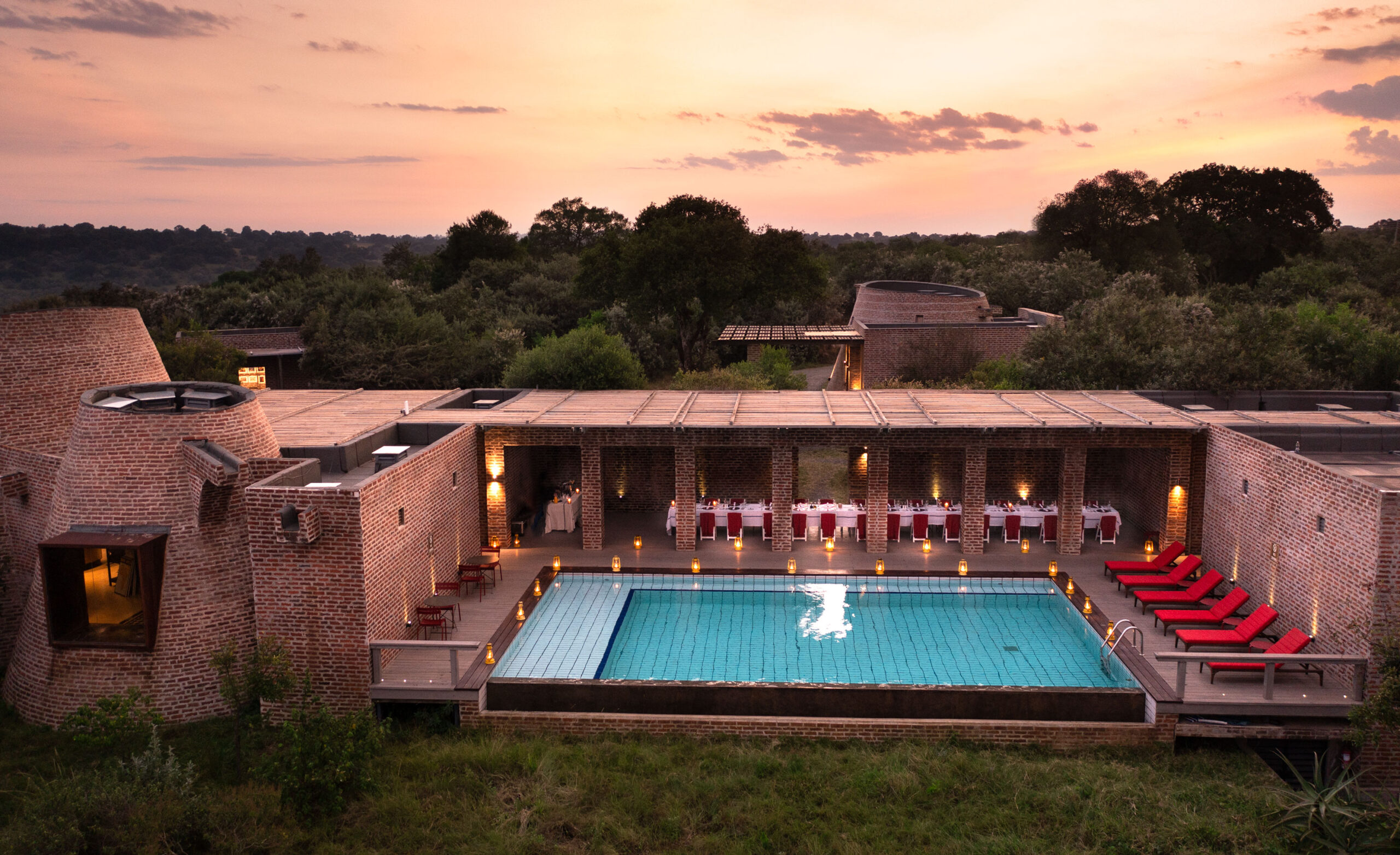
Tanzania offers everything from comfortable safari lodges and permanent tented camps to high-end luxury camps in prime wildlife areas. This makes it suitable for budget-conscious travelers as well as honeymooners and luxury travelers.
How many days do you need?
A well-rounded Tanzania safari usually works best with around 5–10 days, depending on how many parks you want to visit. Longer trips can combine northern safari destinations with Zanzibar for a beach extension.
Who is Tanzania best for?
Tanzania is ideal for first-time safari travelers, wildlife photographers, couples, families and anyone who wants the classic East African safari experience.
Kenya – Wildlife, Culture and the Maasai Mara
Kenya is another excellent answer to the question of where to go on safari in Africa
Its appeal comes from the variety of landscapes and wildlife experiences available within one country. From the open plains of the Maasai Mara to the elephant-filled landscapes around Amboseli and the more remote wilderness of northern Kenya, the country offers much more than one famous reserve.
Why visit Kenya?
The Maasai Mara is undoubtedly Kenya’s most famous safari destination. It is part of the larger Serengeti-Mara ecosystem and is particularly famous for the annual wildebeest migration.
But even outside migration periods, the Maasai Mara offers outstanding wildlife viewing. Lions, leopards, cheetahs, elephants, buffaloes, giraffes, zebras, hippos and numerous antelope species can be seen across the reserve.
Amboseli National Park provides a completely different experience. Its large elephant herds are often photographed against the dramatic backdrop of Mount Kilimanjaro.
Tsavo, meanwhile, offers a much wilder and more expansive environment, making it attractive to travelers looking for a less crowded safari experience.
What can you do on safari in Kenya?
Game drives are the heart of a Kenyan safari. Morning drives can reveal predators returning from nighttime activity, while afternoon drives provide excellent opportunities to watch herds gathering around water and grazing areas.
The Maasai Mara is also famous for hot-air balloon safaris. A sunrise flight allows travelers to watch the savannah from above before landing for a bush breakfast.
Cultural experiences can add another dimension to a Kenya safari. Visits to Maasai communities can introduce travelers to traditional lifestyles, crafts, dances and local perspectives on the land.
Walking experiences are available in selected conservancies and areas, often accompanied by experienced guides who explain animal tracks, plants and smaller aspects of the ecosystem.
Kenya can also be combined with a beach holiday on the Indian Ocean. After several days of wildlife viewing, travelers can continue to the coast for relaxation, snorkeling, diving or simply enjoying the beaches.
Wildlife highlights
Kenya is one of the best countries for a Big Five safari. Lions and elephants are particularly widespread, while the Maasai Mara is also famous for cheetahs and leopards.
The country also has excellent birdlife and large populations of giraffes, zebras, wildebeest, hippos and various antelope species.
Best time to visit Kenya
Kenya can be visited throughout the year, although the dry months are often preferred for wildlife viewing.
The migration period is especially popular in the Maasai Mara, but exact timing changes from year to year.
How do you get there?
Most international travelers arrive through Nairobi. From Nairobi, you can reach major safari areas by road or domestic flight.
For travelers with limited time, flying directly into safari regions can significantly reduce long road journeys.
Where can you stay?
Kenya has a huge range of accommodation, from campsites and affordable safari lodges to luxury tented camps and private conservancies.
How many days do you need?
A 5–8 day Kenya safari is enough to experience two or three major areas. Travelers with more time can combine the Maasai Mara with Amboseli, Samburu or Tsavo and then continue to the coast.
Who is Kenya best for?
Kenya is excellent for first-time safari travelers, families, photographers, couples and travelers who want to combine wildlife with cultural experiences or a beach holiday.
Uganda – The Best Choice for Gorilla and Chimpanzee Experiences
Uganda is one of the most rewarding destinations for travelers who want something beyond the traditional savannah safari.
It combines rainforest adventures, mountain gorillas, chimpanzees, wildlife-filled savannahs, rivers, waterfalls and cultural experiences.
For travelers searching for the best African safari for gorilla trekking, Uganda deserves serious consideration.
Why visit Uganda?
Uganda’s biggest advantage is variety.
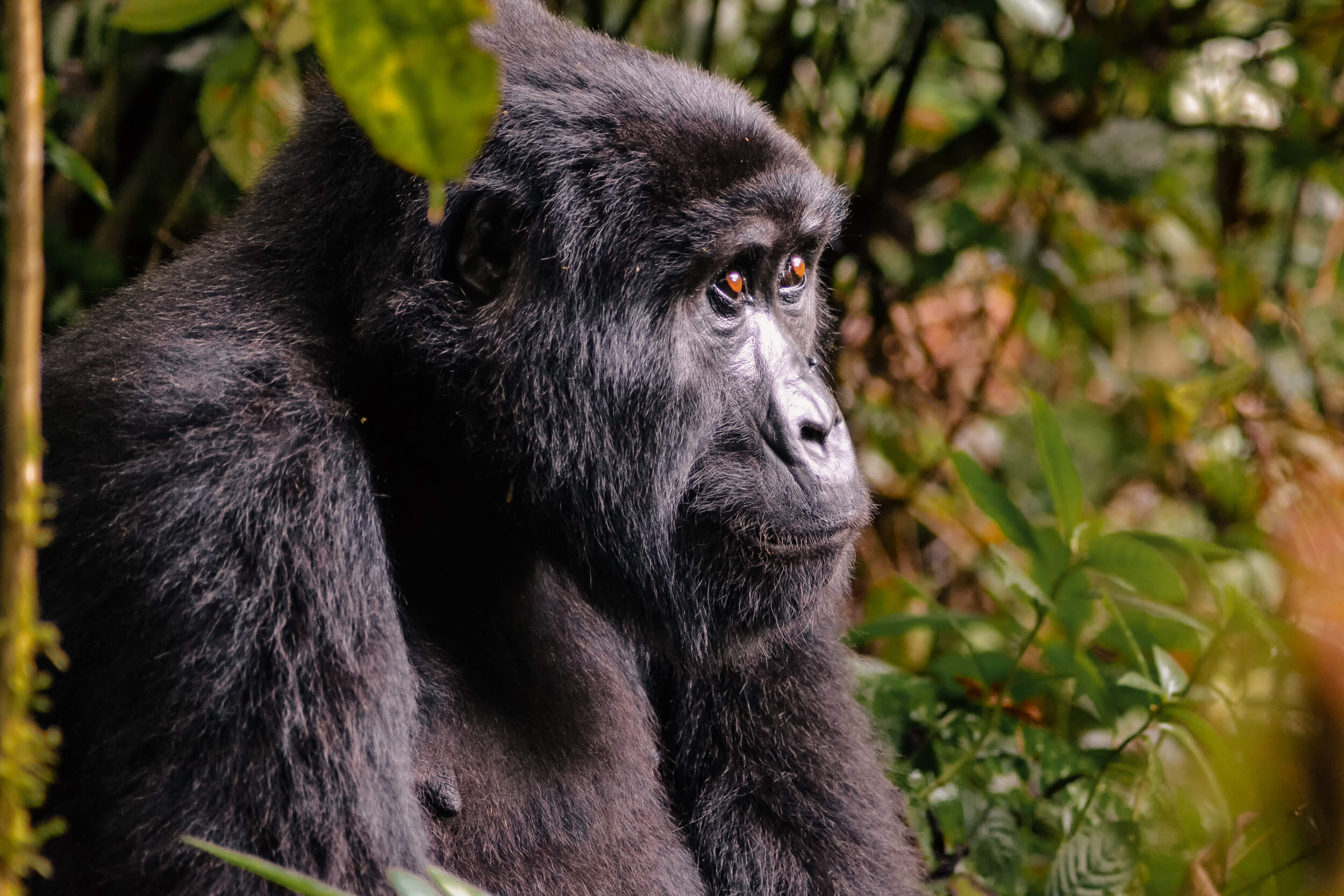
You can begin your journey searching for lions and elephants in a savannah park, then move into a tropical forest to track chimpanzees, and later spend an unforgettable morning trekking through the mountains in search of endangered mountain gorillas.
Bwindi Impenetrable National Park is the country’s most famous gorilla destination.
The experience involves hiking through dense forest with trained trackers and guides until you locate a habituated gorilla family. Once the group is found, visitors can observe their behavior from a respectful distance.
For many travelers, this becomes the highlight of their entire African safari.
What can you do in Uganda?
Gorilla trekking is the country’s signature experience, but it is only one part of the adventure.
Kibale Forest is regarded as one of Africa’s premier destinations for chimpanzee trekking. Visitors walk through the forest with guides searching for habituated chimpanzee communities.
Chimpanzee trekking is different from gorilla trekking because the animals are highly active and can move through the trees quickly. The experience therefore combines tracking skills with close observation of forest behavior.
Uganda also offers excellent savannah wildlife experiences.
Murchison Falls National Park is known for game drives featuring elephants, giraffes, buffaloes, lions and other wildlife.[
A boat cruise along the Nile is another major attraction. Travelers can watch hippos and crocodiles along the riverbanks while elephants and other animals come down to drink.
Queen Elizabeth National Park provides another excellent combination of wildlife and scenery.
The Kazinga Channel boat cruise is particularly popular because it brings visitors close to large concentrations of hippos, crocodiles and water birds.
Wildlife highlights
Uganda offers an unusually diverse wildlife experience. Depending on your route, you may encounter mountain gorillas, chimpanzees, lions, leopards, elephants, buffaloes, hippos, giraffes, zebras and numerous antelope species.
Best time to visit Uganda
Uganda can be visited throughout much of the year. Drier periods are often preferred for trekking because forest trails can be easier to navigate, although rainfall is possible at any time.
[INTERNAL LINK: Best Time to Visit Uganda]
Anchor text: best time to visit Uganda
How do you get there?
Most international travelers arrive at Entebbe International Airport. From Entebbe, safari routes can be reached by road or domestic flight depending on the destination.
Where can you stay?
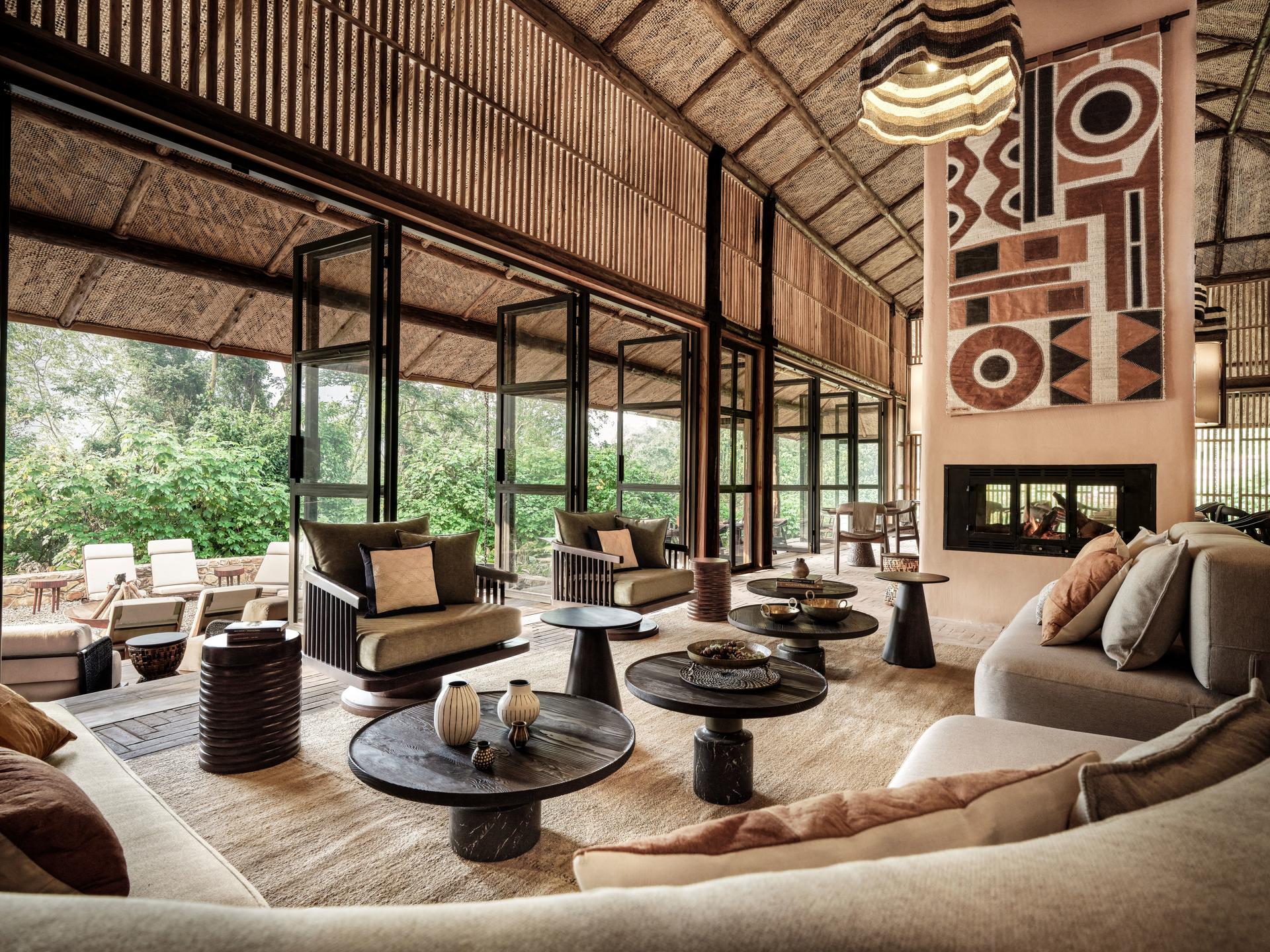
Uganda offers everything from simple guesthouses and budget safari lodges to comfortable midrange properties and luxury forest lodges.
How many days do you need?
A 7–12 day Uganda safari is ideal if you want to combine gorilla trekking with chimpanzees and savannah wildlife.
Who is Uganda best for?
Uganda is especially suitable for adventure travelers, primate lovers, photographers, couples and travelers who want a more varied and less conventional safari experience.
Botswana – Remote Wilderness and the Okavango Delta
Botswana is one of the best African safari destinations for travelers who value wilderness, exclusivity and extraordinary landscapes.
Rather than focusing only on large numbers of wildlife sightings, Botswana offers an immersive experience where the environment itself becomes part of the adventure.
Why visit Botswana?
The Okavango Delta is Botswana’s greatest attraction.
Instead of flowing into the sea, the Okavango’s waters spread across the Kalahari landscape, creating a huge network of channels, lagoons, islands and wetlands.
This creates an ecosystem that can be explored not only by safari vehicle but also by boat and traditional mokoro canoe.
What can you do in Botswana?
A mokoro excursion is one of Botswana’s signature activities. A skilled poler guides the canoe through shallow channels while you quietly observe the surrounding environment.
The silence allows you to appreciate smaller wildlife, birds and aquatic habitats that you might not notice during a conventional game drive.
Game drives remain important, particularly in areas surrounding the delta and in Chobe National Park.
Chobe is particularly famous for elephants. During the dry season, large numbers gather around the Chobe River.
Boat cruises provide another perspective, allowing travelers to watch elephants drinking at the riverbank, hippos resting in the water and crocodiles lying along the shore.
In selected private areas, walking safaris can provide a more intimate understanding of the bush. Rather than focusing only on large animals, guides teach travelers how to read tracks, identify plants and understand animal behavior.
Night drives in private concessions can also reveal species and behaviors that are rarely seen during daytime safaris.
Wildlife highlights
Botswana is excellent for elephants, lions, leopards, hippos, buffaloes, wild dogs and numerous antelope species.
African wild dogs are particularly exciting for wildlife enthusiasts because sightings can be unpredictable.
Best time to visit Botswana
The timing of water levels in the Okavango Delta is an important factor when planning a trip. Dry-season months can offer excellent wildlife viewing, while the floodwaters create spectacular opportunities for water-based exploration.
How do you get there?
Most international visitors travel through Botswana’s major gateways before taking light aircraft into remote safari areas.
Flying between camps is common and can save considerable travel time.
Where can you stay?
Botswana is particularly well known for luxury tented camps and intimate safari lodges located in private concessions.
How many days do you need?
A 5–8 day Botswana safari can provide an excellent introduction, while 8–12 days allows travelers to combine the Okavango Delta with Chobe and other wilderness areas.
Who is Botswana best for?
Botswana is ideal for couples, honeymooners, photographers, luxury travelers and experienced safari travelers looking for privacy and wilderness.
South Africa – Safari, Cities, Coast and Easy Travel
South Africa stands out because it allows travelers to combine a classic wildlife safari with some of Africa’s most famous cities, beaches, mountains and food and wine experiences.
For travelers planning their first African safari, it is also one of the easiest destinations to build into a flexible itinerary.
Why visit South Africa?
Kruger National Park is the country’s flagship safari destination.
It offers excellent opportunities to see the Big Five and many other African species.
One major advantage of South Africa is the availability of both self-drive and guided safari experiences. Travelers who enjoy independence can explore selected parks by rental vehicle, while those looking for deeper wildlife interpretation can choose guided game drives.
Private reserves bordering Kruger offer a more exclusive experience. These areas often allow guided drives and, in some places, walking safaris that provide a closer understanding of the bush.
What can you do in South Africa?
Game drives are the main safari activity, with early morning and late afternoon being particularly productive.
Walking safaris can introduce travelers to animal tracks, plants, insects and other details that are easily overlooked from a vehicle.
South Africa is also excellent for combining safari with city travel.
A traveler can spend several days in Kruger before flying to Cape Town to explore Table Mountain, the Cape Peninsula and surrounding wine regions.
This makes South Africa particularly attractive for travelers who do not want their entire holiday to focus exclusively on wildlife.
Wildlife highlights
Kruger and the surrounding private reserves support lions, leopards, elephants, buffaloes and rhinos, alongside giraffes, zebras, hippos, hyenas, wild dogs and many antelope species.
Best time to visit South Africa
South Africa can be visited throughout the year. The ideal period depends on the region and the type of experience you want, but the dry season is often excellent for wildlife viewing in Kruger because animals become easier to locate around water sources.
How do you get there?
Johannesburg and Cape Town are major international gateways. Domestic flights make it relatively easy to connect cities with safari regions.
Where can you stay?
South Africa has perhaps the widest accommodation range on this list, from campsites and affordable lodges to luxury private reserves.
How many days do you need?
A 5–7 day safari works well for a focused wildlife trip. For a broader holiday combining safari and Cape Town, around 10–14 days gives you much more flexibility.
Who is South Africa best for?
South Africa is excellent for first-time safari travelers, families, couples, self-drive travelers and visitors who want to combine wildlife with cities, food, wine and coastal experiences.
How to Choose the Best African Safari Destination in 2027
Choosing among the top places to visit for an African safari in 2027 ultimately comes down to what you want your trip to feel like.
If your dream is watching thousands of wildebeest crossing the plains, Tanzania and Kenya should be high on your list.
If seeing mountain gorillas is the experience you have always dreamed about, Uganda offers one of the world’s most extraordinary wildlife encounters.
If you want remote wilderness, water-based safari experiences and a more exclusive atmosphere, Botswana is difficult to beat.
And if you want a safari combined with excellent infrastructure, self-drive possibilities, cities and other attractions, South Africa is an excellent choice.
Best African Safari Destination for Wildlife
For a classic wildlife safari, Tanzania and Kenya are among the strongest options. Both offer large ecosystems with excellent populations of predators, elephants, buffaloes and herbivores.
Tanzania has the advantage of the Serengeti and Ngorongoro combination, while Kenya offers the Maasai Mara, Amboseli and other diverse ecosystems.
Best African Safari for the Great Migration
If witnessing the Great Migration is your priority, Tanzania and Kenya are the key destinations.
The migration moves between the Serengeti and Maasai Mara ecosystems, meaning the best destination depends on the time of year and the specific behavior you want to witness.
Best African Safari for Gorilla Trekking
Uganda is one of the best choices for travelers who want to combine gorilla trekking with a broader wildlife safari.
You can combine Bwindi with Kibale Forest, Queen Elizabeth National Park and Murchison Falls, creating an itinerary that includes primates, savannah wildlife, rivers and forests.
Best Luxury Safari Destination
Botswana is particularly attractive for luxury travelers because of its remote camps, private concessions and fly-in safari style.
Tanzania and Kenya also offer outstanding luxury tented camps, while South Africa provides a wide selection of high-end private reserves.
Best Safari for Families
South Africa and Kenya are particularly attractive for families because of their accommodation choices, infrastructure and range of activities.
Some safari areas also offer family-friendly programs and private vehicles, which can make the experience more comfortable when traveling with children.
Best Safari for Couples and Honeymoons
Tanzania, Botswana and South Africa are excellent choices for couples.
Private camps, romantic bush dinners, scenic landscapes and luxury accommodation can create a memorable honeymoon or anniversary trip.
When Is the Best Time to Go on an African Safari?
There is no single perfect month for every African safari destination.
Dry seasons are generally popular because vegetation is thinner and wildlife often concentrates around reliable water sources. However, green seasons can offer lush scenery, fewer tourists and excellent birdwatching.
The Great Migration follows its own seasonal pattern, while Botswana’s Okavango Delta is strongly influenced by seasonal flooding.
Before booking, always match your travel dates to the specific experience you want.
How Many Days Do You Need for an African Safari?
For a first safari, around 5–8 days can provide a rewarding experience in one country.
However, 8–12 days allows you to slow down and experience several ecosystems without constantly moving from one lodge to another.
Longer trips of two weeks or more are ideal for combining safari with gorilla trekking, beach holidays, cultural experiences or major cities.
A good safari itinerary should not try to visit every possible park. Spending two or three nights in a destination often gives you a much better experience than rushing through five or six locations.
How Much Does an African Safari Cost?
The cost of an African safari varies considerably depending on the country, accommodation, season, transportation and activities.
Budget safaris can use campsites and simpler lodges, while midrange safaris typically combine comfortable lodges with guided game drives.
Luxury safaris may include private concessions, premium tented camps, charter flights, private vehicles and highly personalized guiding.
Gorilla trekking can also significantly affect the overall cost of a Uganda safari because permits are a major component of the trip.
Rather than choosing a safari based only on the cheapest price, travelers should compare what is actually included: accommodation, meals, park fees, transport, guide services, activities and permits.
Responsible Safari Travel in 2027
A great safari should leave a positive impact on the places and communities you visit.
Choose operators that employ local guides and staff, support conservation and work respectfully with nearby communities.
Avoid activities that involve irresponsible wildlife interaction, feeding wild animals or poorly managed animal encounters.
Travelers can also contribute by respecting park regulations, maintaining safe distances from animals and reducing unnecessary plastic waste.
In destinations such as Uganda, community tourism can provide an important connection between visitors, local people and conservation.
The goal is not simply to see wildlife but to help ensure these ecosystems remain protected for future generations.
Frequently Asked Questions
What is the best country for a first African safari?
Tanzania, Kenya and South Africa are excellent choices for a first safari. Tanzania is particularly strong for the classic Serengeti experience, Kenya offers the Maasai Mara and diverse landscapes, while South Africa provides excellent infrastructure and flexible safari options.
Where is the best place to see the Big Five in Africa?
Tanzania, Kenya, Botswana and South Africa all offer excellent Big Five opportunities. South Africa and Tanzania are particularly popular for travelers who want a strong combination of wildlife viewing and accommodation choices.
What is the best African safari destination for 2027?
There is no single best destination for everyone. Tanzania is excellent for the classic safari and Great Migration, Kenya for wildlife and culture, Uganda for gorillas and primates, Botswana for remote luxury wilderness, and South Africa for flexible safari holidays.
Is Uganda good for a safari?
Absolutely. Uganda is particularly special because travelers can combine traditional wildlife viewing with gorilla trekking and chimpanzee trekking. It is one of the best choices for travelers looking for a more diverse African adventure.
How far in advance should I book an African safari for 2027?
For popular travel periods, luxury camps and experiences such as gorilla trekking or the Great Migration, booking well in advance is recommended. Early planning gives you a better choice of accommodation, permits, flights and safari routes.
Final Verdict: Where Should You Go on Safari in Africa in 2027?
The top places to visit for an African safari in 2027 offer very different experiences, which is exactly what makes planning an African adventure so exciting.
Choose Tanzania if you want the classic Serengeti experience and the Great Migration. Choose Kenya for the Maasai Mara, elephants beneath Mount Kilimanjaro and the opportunity to combine wildlife with culture and the coast.
Choose Uganda if gorilla trekking, chimpanzees and diverse landscapes are your priority. Choose Botswana if you dream of remote wilderness, mokoro excursions and luxury camps surrounded by untouched nature.
Choose South Africa if you want a flexible safari that can be combined with cities, beaches, food, wine and self-drive travel.
Whichever destination you choose, the best African safari is one that gives you enough time to slow down, observe wildlife and experience the landscape rather than simply ticking parks off a list.
For travelers planning an African safari in 2027, the most important step is to start with the experience you want and then build the destination, season and itinerary around it.